
Last updated November 15, 2026
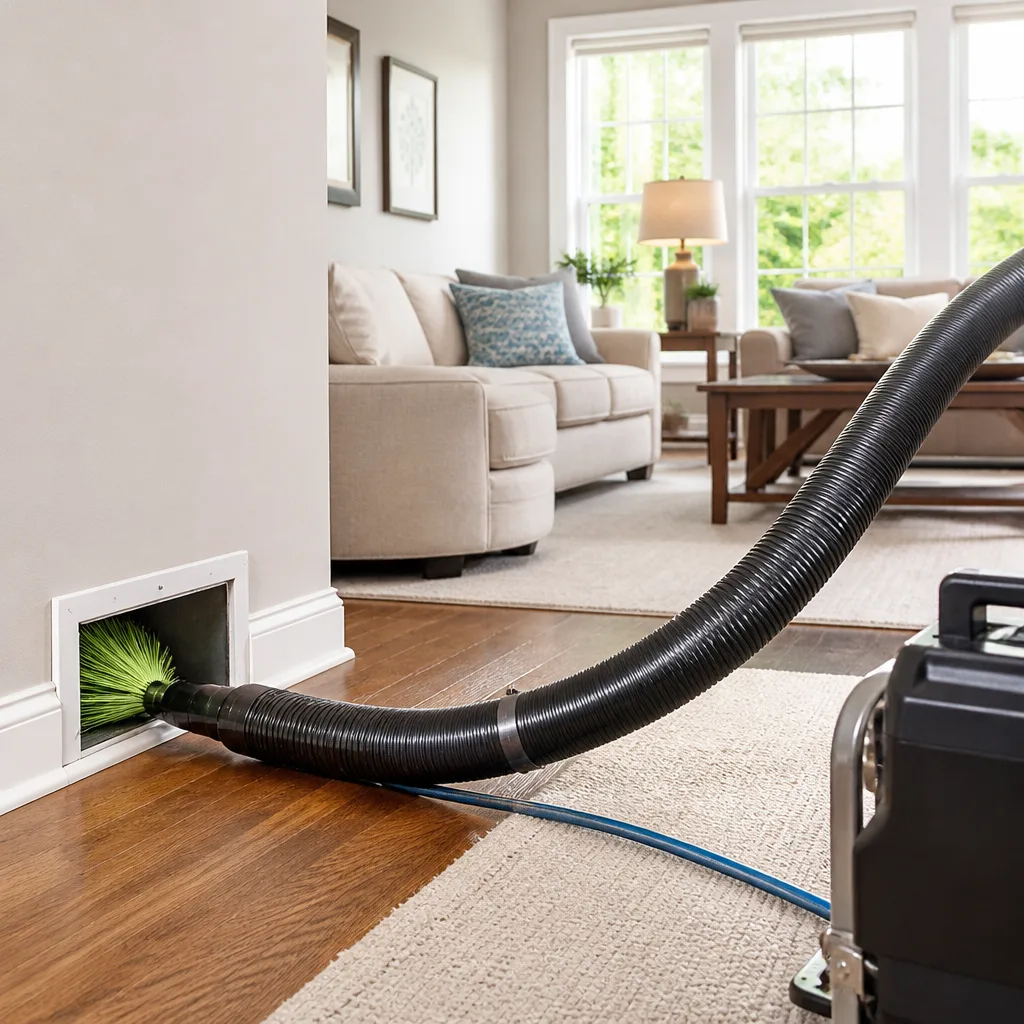 Whole-home duct cleaning
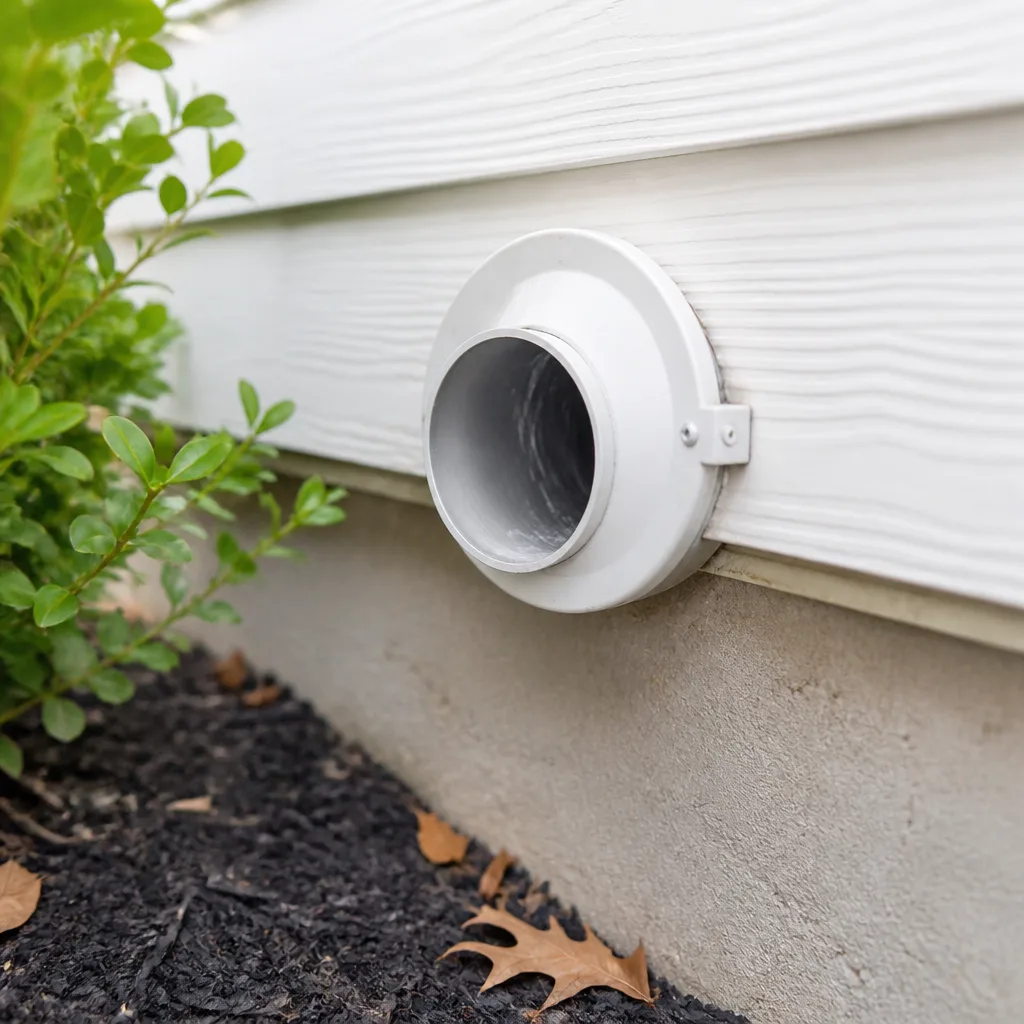 Dryer vent cleaning
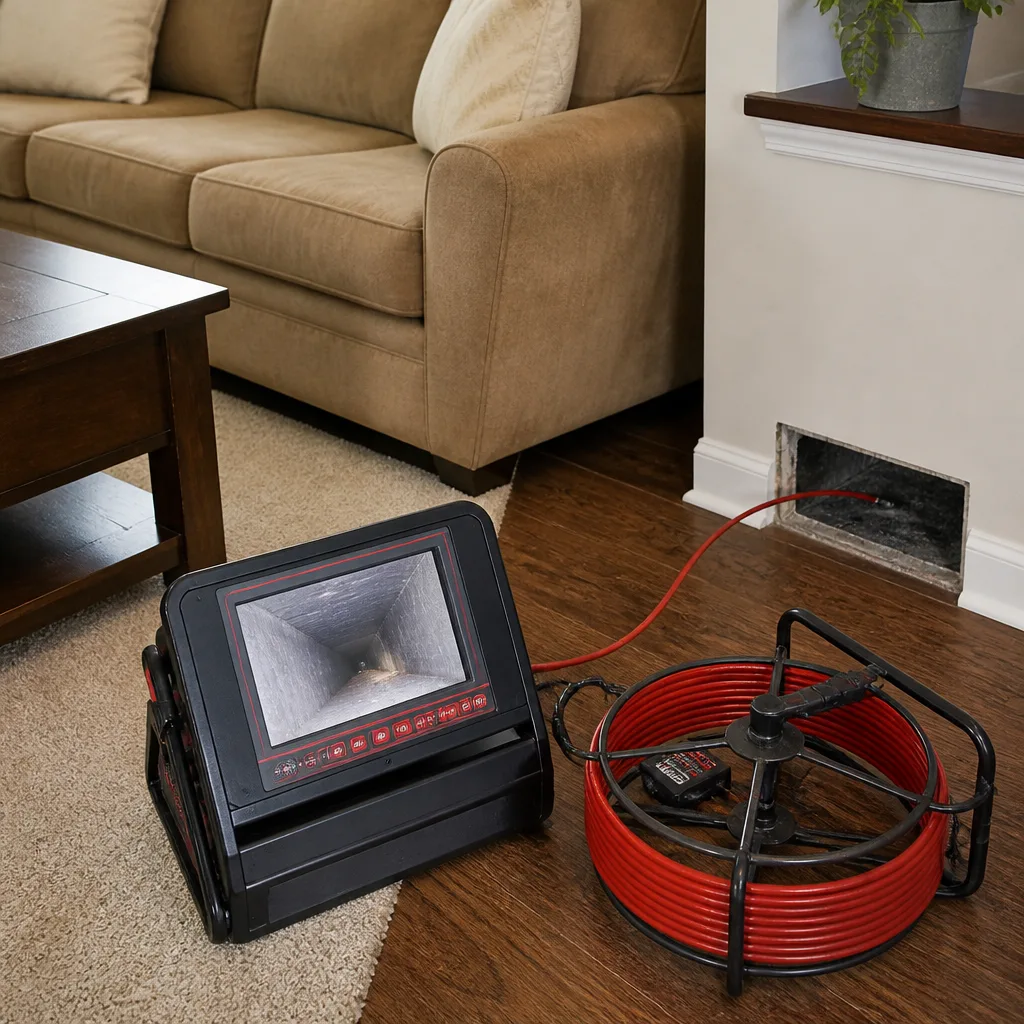 Camera inspection
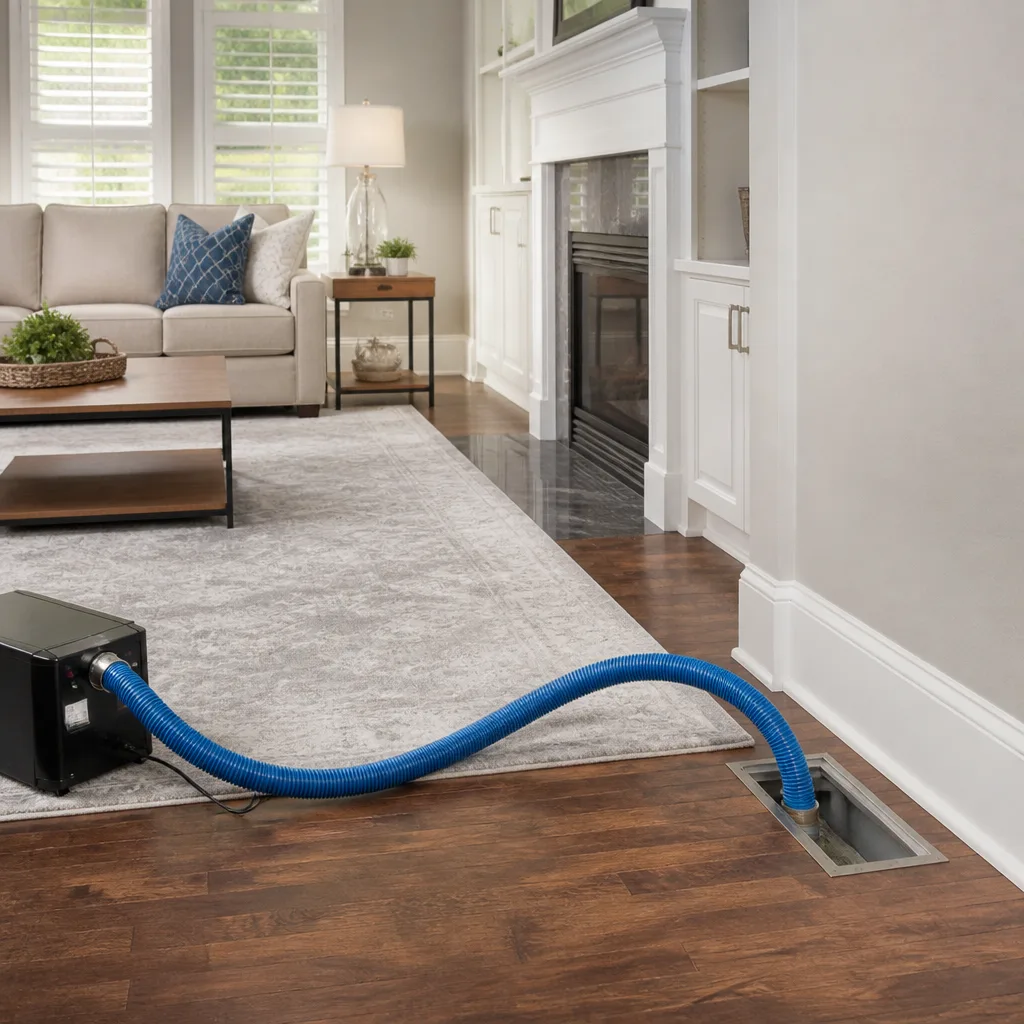 Sanitizing & deodorizing
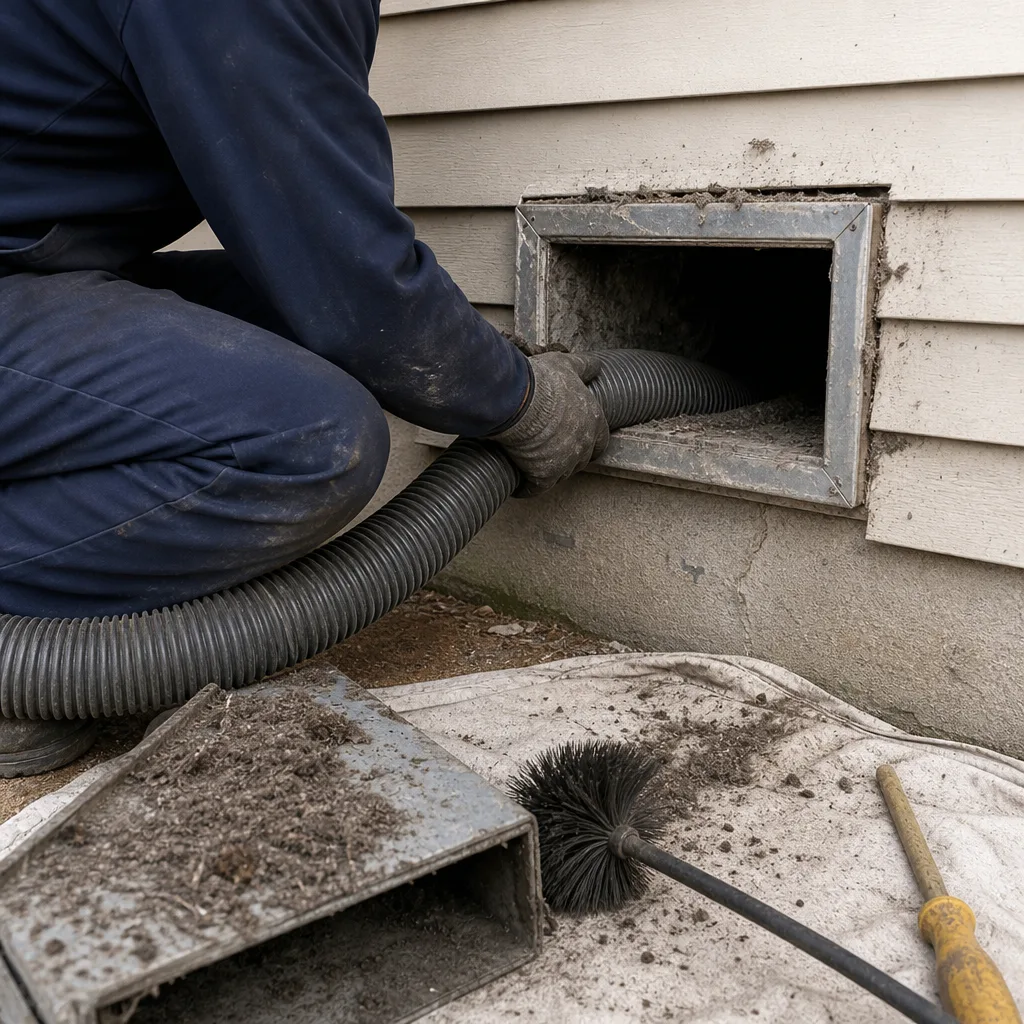
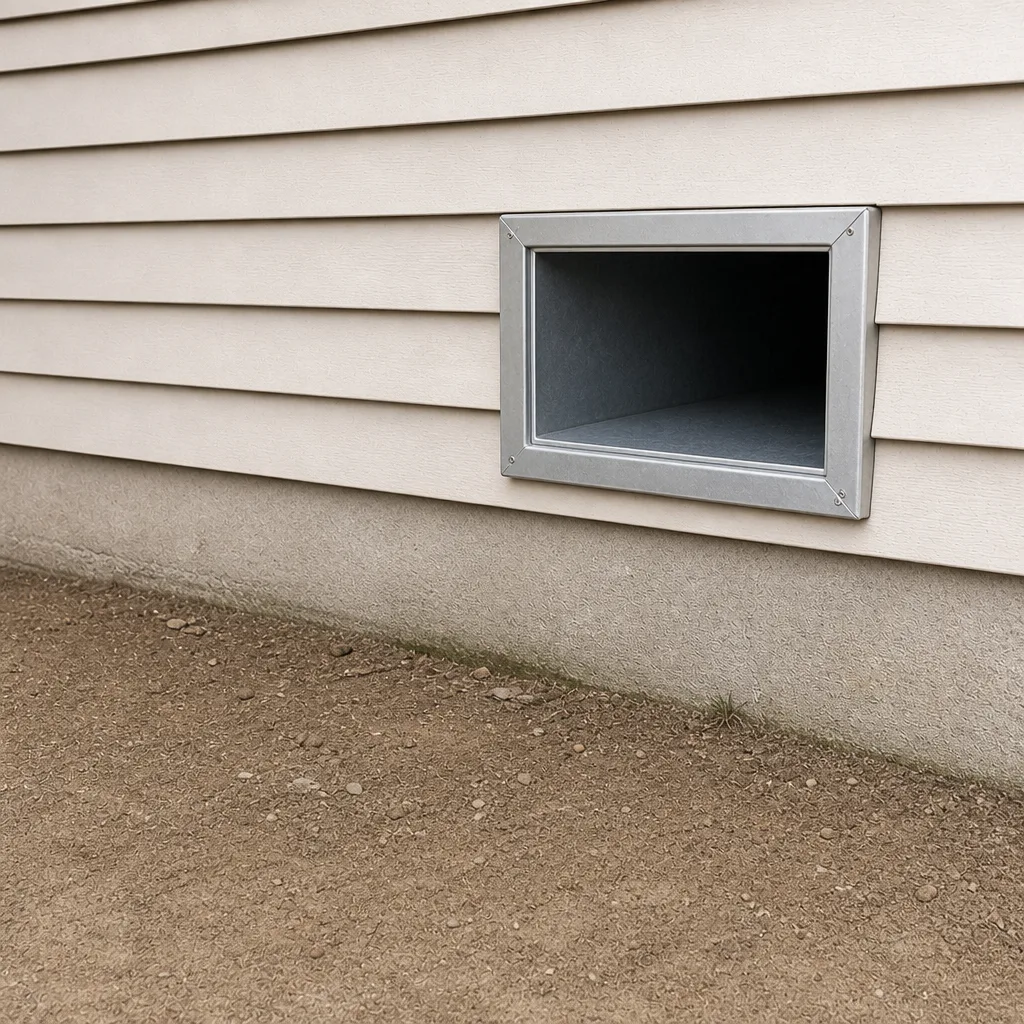
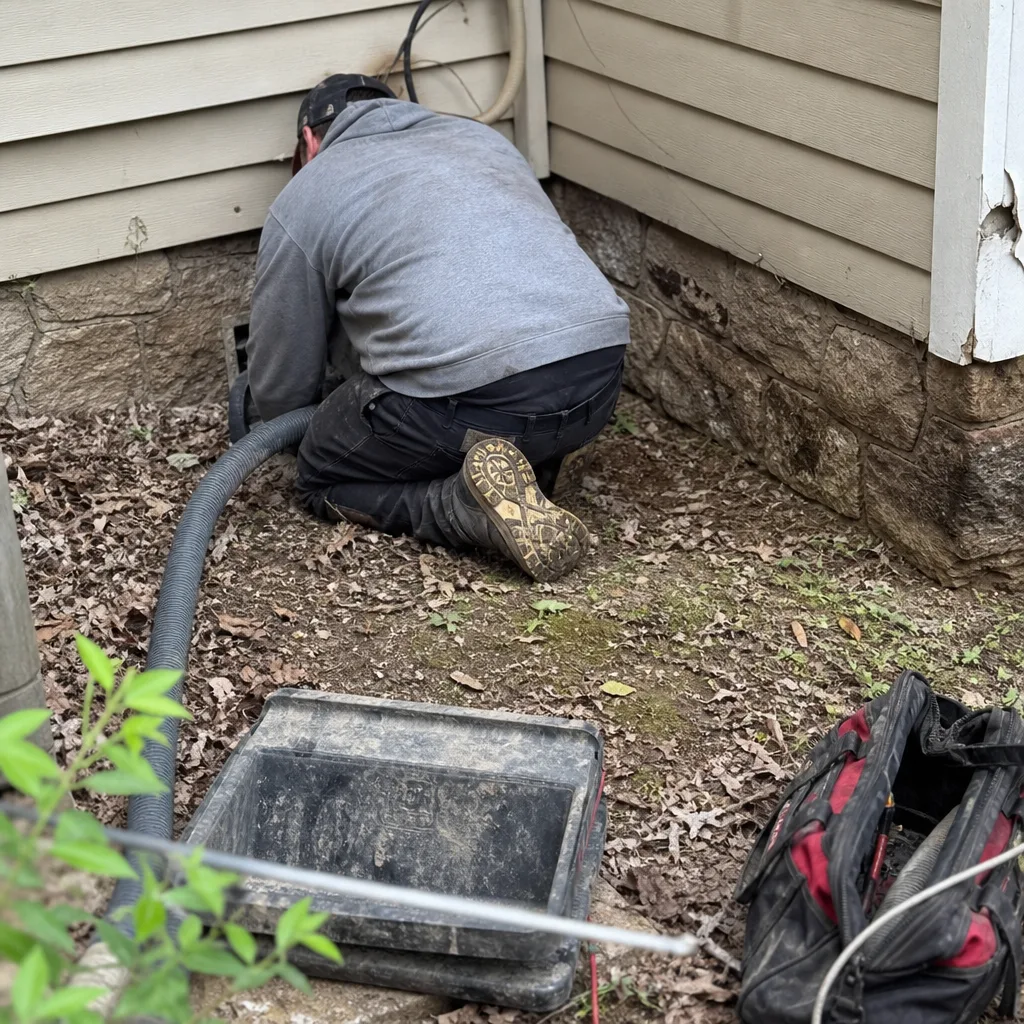
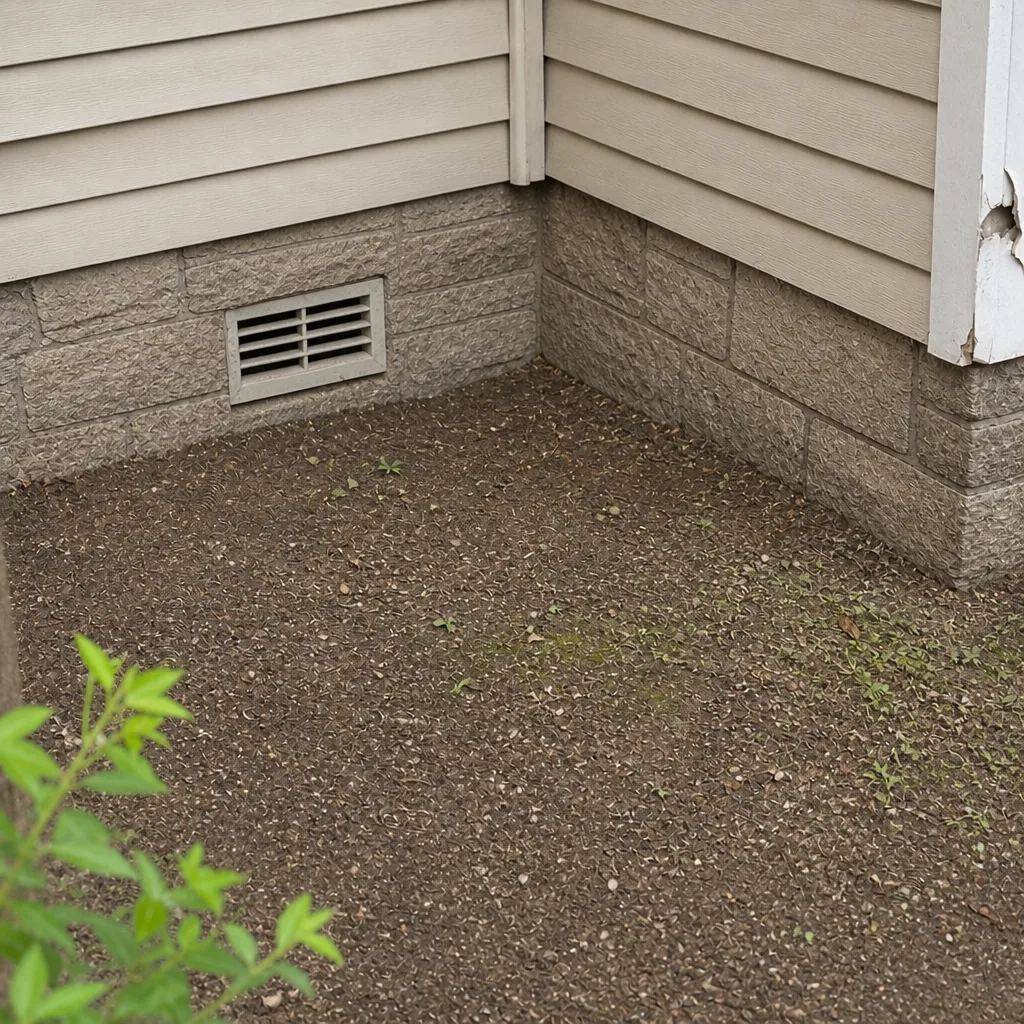
Whole-system duct and dryer vent check with before-and-after photos - you see exactly what came out of your vents
That "$99 whole-house special" is a bait ad - the real number appears once they are in your hallway, or the "clean" is a shop-vac at the register. We photograph the inside of your ducts before and after instead.
How to Hire an Air Duct Cleaning Contractor in Clarksville: A Step-by-Step Guide
Tennessee does not require a specialty license to clean air ducts. Anyone with a van and a shop vacuum can legally take your money and call the job done. That’s the part most homeowners don’t know, and it’s the reason a contractor search in this trade looks nothing like hiring an electrician or a plumber. You can’t lean on a license lookup to separate skilled work from a quick vacuum pass. What you can do is ask the right questions about equipment, process, and proof. This guide walks you through that vetting process step by step, from the first phone call to the final walk-through, with the specifics you need to tell a real duct cleaning job from a dressed-up one. We’ll cover what to ask, what legitimate proof looks like, the red flags we see most often around Clarksville, and how to inspect the work before you pay.
Quick Answer
To hire an air duct cleaning contractor in Clarksville, verify the equipment (a vacuum collection unit with a real CFM rating and a mechanical agitation tool, not a shop vac), ask for a written scope of work and line-item pricing before booking, and confirm the company will show you before-and-after photos and inspect the ducts after cleaning. Because Tennessee doesn’t license duct cleaners at the contractor level, process questions matter more than credentials. Get at least two quotes, walk the system with the technician before work starts, and do a final walk-through before you pay.
Styles & brands we work with
- Whole-home duct cleaning
- Dryer vent cleaning
- Camera inspection
- Sanitizing & deodorizing
Table of Contents
- Why Vetting a Duct Cleaner in Clarksville Takes More Than a License Check
- The Questions to Ask Before You Book
- What Legitimate Proof of Work Looks Like
- The Walk-Through Protocol: Before Work and Before Payment
- Red Flags Specific to the Clarksville Market
- NADCA Membership, NADCA Certification, and the ACR Standard: What’s the Difference?
- How to Compare Quotes Without Getting Fooled by the Lowest Price
- Don’t Overlook the Dryer Vent
Why Vetting a Duct Cleaner in Clarksville Takes More Than a License Check
Most trades in Tennessee are regulated through a license board. Duct cleaning isn’t one of them. There is no specialty license for duct cleaning at the contractor level, so a homeowner can’t look up a company and confirm that anyone on the crew was trained or that the equipment meets any standard. That’s not a reason to panic. It’s a reason to shift your vetting onto the things you can actually verify: the equipment a company shows up with, the process it describes, and the documentation it’s willing to put in writing.
That gap is also why the low-price duct cleaning market exists in the first place. When there’s no licensing barrier, the cost of entering the trade is a van and a vacuum, and the fastest way for an under-equipped operator to win jobs is to undercut on price. A whole-house clean advertised for a few tens of dollars is possible because the work being performed isn’t a full-system clean. It’s a surface pass that reaches the registers and little else, and it won’t move the debris sitting in the main trunk lines or the branch runs behind your walls.
The good news for homeowners around Clarksville is that the difference between a real job and a cheap one is easy to detect once you know what to ask. A professional system runs on equipment that costs more than most consumer buyers would ever spend, which is why companies using it can’t and won’t pretend to work for a coupon price. Rotobrush and Nikro are the two names you’ll hear from serious operators, and they show up in the conversation as specific machine types rather than a vague promise of “professional equipment.”
Our own framing is simple: we run professional-grade equipment, not consumer shortcuts. That’s the standard to hold every contractor in Clarksville to, including duct cleaning in Clarksville and every other company you interview. If a crew can’t tell you what machine they’re bringing and how it works, you’ve learned something useful.
The Questions to Ask Before You Book
This is the heart of the process. Ask these questions on the phone before anyone comes out, and write down the answers. A company that does this work well will answer them without hesitation. A company that doesn’t will get vague, change the subject, or promise that everything will be explained on-site. For a service with no licensing backstop, the phone conversation is your main screening tool.
- What is the CFM rating of your vacuum collection unit? CFM, or cubic feet per minute, measures how much air the vacuum moves. A real duct cleaning vacuum is sized to put the whole system under negative pressure so loosened debris is pulled out rather than blown into the house. Consumer vacuums and shop vacs don’t come close. A good operator knows their number.
- What agitation method do you use? Vacuum alone only reaches what’s loose near the surface. Getting debris off the walls of the ducts requires mechanical agitation, such as rotating brush heads or compressed-air tools, run through each branch line. Ask which tools they use and whether every run gets agitated.
- Will you camera-inspect before and after cleaning? Not every job needs it, but a company that offers camera inspection is a company that expects to show what it found and what it left behind. On badly neglected systems, or if you suspect damage, inspection is worth asking for.
- Do you clean the whole system or just the vents? A full-system clean covers the supply and return trunk lines, the branch runs, the registers, and the main unit. A “vent clean” that stops at the grilles is the most common way a low-price job stays cheap.
- Do you offer duct repair, or only cleaning? Cleaning often exposes problems: disconnected joints, crushed flex runs, gaps at the plenum, torn insulation. Ask up front whether the company can repair what it finds or whether you’ll be handed a diagnosis and left to find someone else.
- What does the written scope of work include, and what’s the line-item price? You want the scope in writing before work starts, itemized by what’s being cleaned and any add-ons like the dryer vent or a repair. If a company refuses to quote a line item, that’s your answer.
- Will I get before-and-after photos of my own ducts? Not stock photos, not a gallery from someone else’s job. Your ducts, your house, taken during the work.
If a contractor can’t answer two or three of these, keep calling. There’s no shortage of companies willing to quote a cleaning; there’s a smaller pool that can describe the process to you. Companies that work with brands like Honeywell and Aprilaire filtration systems also tend to understand how duct condition interacts with whole-home air quality, which shows up in how they explain the job.
What Legitimate Proof of Work Looks Like
Because no regulator is checking the work afterward, documentation is your only record that the job happened as sold. The standard is straightforward. Look for three things: before-and-after photos with timestamps, a written scope of work that matches what was done, and a record of any damage found during the process.
- Before-and-after photos with timestamps. The technician should photograph the interior of the ducts, the main plenum, and the registers before cleaning and again after. Timestamps matter because they anchor the photos to the actual date of service. If a company can’t show you photos from your own home, the only evidence you have is a verbal report.
- A written scope of work. You should have a document – email is fine – listing what’s covered: how many supply runs, how many returns, the main trunk lines, the air handler, and any separate services like the dryer vent. Then compare that document against what actually happened. The two should match line for line.
- Documentation of duct damage found. Cleaning an older system often turns up issues that were hidden: a disconnected run in the attic, a flex duct that’s collapsed, a gap where the main trunk meets the equipment. A professional will note these, photograph them, and explain them before proposing repairs. An unexpected “you need a lot more work” conversation at the end, with no photos to support it, is a sign to slow down.
Ask for the photos at the walk-through, not weeks later. If the company takes their own photos, have them show you the screen. That’s normal, and a technician running professional equipment will have a camera in the workflow anyway.
Air quality gear is another useful tell. A company familiar with air duct cleaning that also understands products like Abatement Technologies units and Honeywell or Aprilaire filtration is a company equipped to speak to the contamination scenario in your home, not just the vacuuming. One call covering cleaning, repair, and air quality is a matter of expertise as much as convenience.
The Walk-Through Protocol: Before Work and Before Payment
The two most important minutes of the job are the walk-throughs at the start and at the end. Both are quick and both protect you. Skip them and you lose your chance to check the work against the promise while the crew is still standing there.
Before work starts
- Walk the house with the technician and have them show you where the access points will be.
- Confirm on the written scope how many supply and return runs are being cleaned, and count them off together.
- Note any existing damage or concerns on your side – a loose grille, a dented return, a room that never heats well – so it’s on the record before the crew starts.
- Confirm what’s being done about the air handler and the main trunk, not just the registers.
- Ask what the before-and-after photos will cover and when you’ll see them.
- Confirm the price and the scope match the written estimate, with nothing added at the door.
Before final payment
- Walk the same access points and look inside. Even with a flashlight, you can see whether a run is visibly coated or reasonably clean.
- Check the registers and return grilles. The surfaces you can reach should be clean.
- Review the before-and-after photos with the technician, in your presence, and make sure they’re from your house and your job.
- Have them point out any duct damage they found and explain the repair option.
- Confirm the dryer vent was done if it was on the scope; ask to see it cleared.
- Only then settle the invoice.
This is a walk-through, not a demonstration. A technician should be able to answer these questions plainly. If something is missed, the right time to catch it is before the crew packs up.
Red Flags Specific to the Clarksville Market
Around here, the duct cleaning market has a few patterns worth knowing on sight. These are the ones we hear about most from homeowners and property managers in the area.
- Door hangers quoting a whole-house clean for roughly the price of lunch. A full-system clean using professional equipment takes real time and real labor: multiple runs, the plenum, the air handler, plus setup and cleanup. A coupon for the price of a pizza doesn’t pay for that, so what you’re actually being offered is a register wipe-down. The invoice often grows once the technician is inside, or the work is finished in the time it takes to eat.
- No physical business address. Not every legitimate contractor advertises a street address, but you should be able to establish that a company is a real business, with a phone line that’s answered, a name on a business license, and a presence you can check. A number that routes to a generic call center and a website with no business identity behind it is a warning sign.
- Refusal to quote line-item pricing. A company that won’t tell you what the whole-system clean costs, separately from the dryer vent and any repair, is a company that wants flexibility on the final number. The estimate should be in writing, with the scope, and the final price set by that written estimate.
- No equipment questions. If you ask about the CFM rating of the vacuum and get a vague answer about “state-of-the-art equipment,” the operator either doesn’t know their machine or doesn’t want you comparing it to the next quote. Either way, keep looking.
- Pressure to book on the spot. Legitimate operators will quote and let you decide. Urgency to book today, without a written scope, exists to keep you from comparing.
- No interest in the dryer vent. A duct cleaner who treats the dryer vent as an optional add-on is missing the part of the job that directly reduces fire risk. It should be offered as its own service, not shoehorned into a duct package.
None of these require a license to identify. You can spot every one on the first call, and any single one is a reason to get another quote.
NADCA Membership, NADCA Certification, and the ACR Standard: What’s the Difference?
The three terms get used interchangeably in advertising, and they don’t mean the same thing. Here’s the difference worth knowing when you’re reading a vaunted “certified” claim on a website in Clarksville.
- NADCA membership is a company-level affiliation. It means the business has joined the national trade association and typically agrees to a code of ethics. It is not a statement that any individual technician has been trained or tested.
- NADCA certification is an individual credential. It means a specific person has passed an exam and held a certification – an Air Systems Cleaning Specialist (ASCS) credential is the most common one. It applies to the person, not the truck, and it’s worth asking how many people on the crew actually hold it.
- The ACR standard – the NADCA Assessment, Cleaning, and Restoration standard – is a documented process standard. It describes the practices a cleaning job should follow, including source removal, containment, and post-clean verification. Compliance with the ACR standard is about how the work is done, and it doesn’t require either membership or certification to claim.
In practice, the useful question is not “are you certified?” It’s “who on the crew holds an ASCS credential, and will the job be performed to the ACR standard?” A company can answer both clearly without a membership badge on the website. A company that can only say “we’re certified” and can’t name the standard or the person is leaning on the language rather than the work.
And since Tennessee doesn’t require any of this at the contractor level, the terms aren’t a gate to entry. They’re a shorthand. The actual floor is the equipment and process questions in the section above, which you can verify with a phone call even when no credential is on offer.
For a homeowner in Clarksville, the practical takeaway is to use NADCA language as a tiebreaker between two otherwise equal quotes, not as the first filter. Get the equipment and process answers first.
See the difference
 Before
 After
 Before
 After
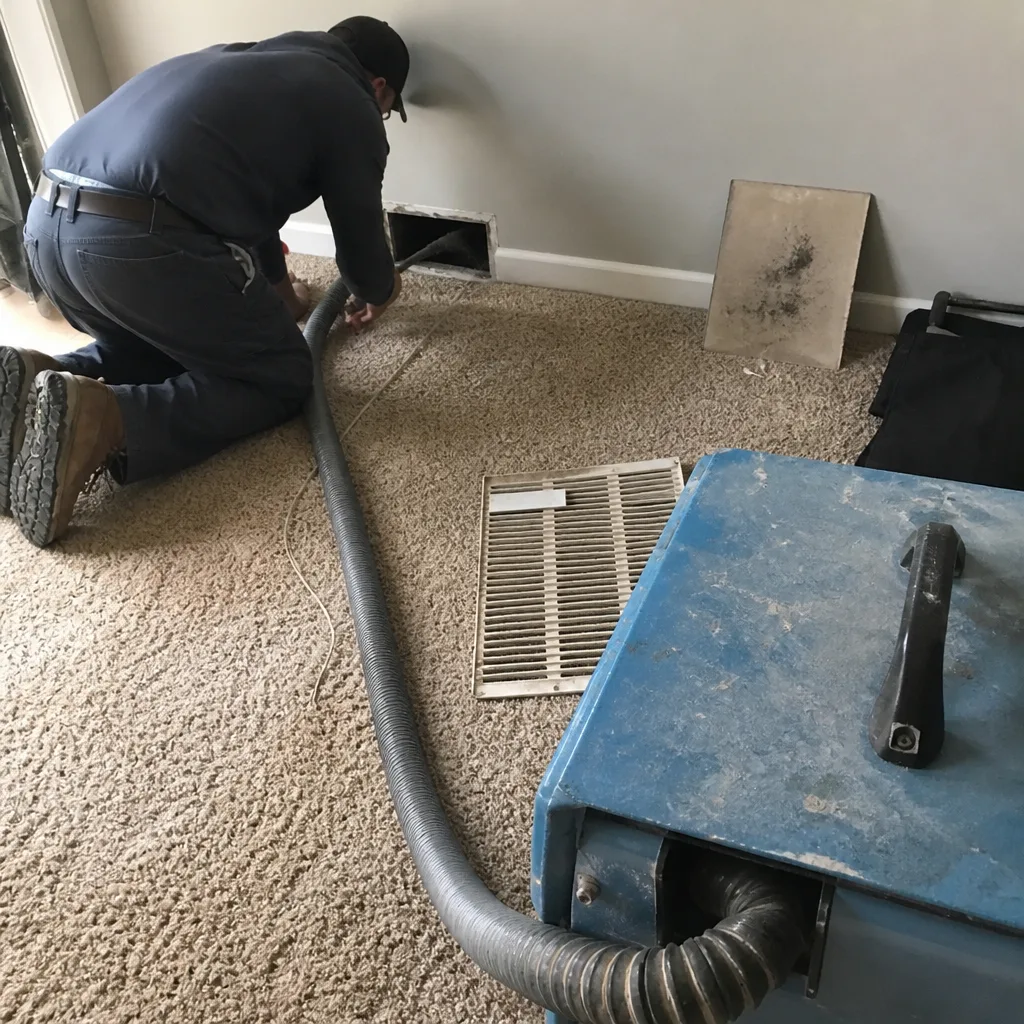 Before
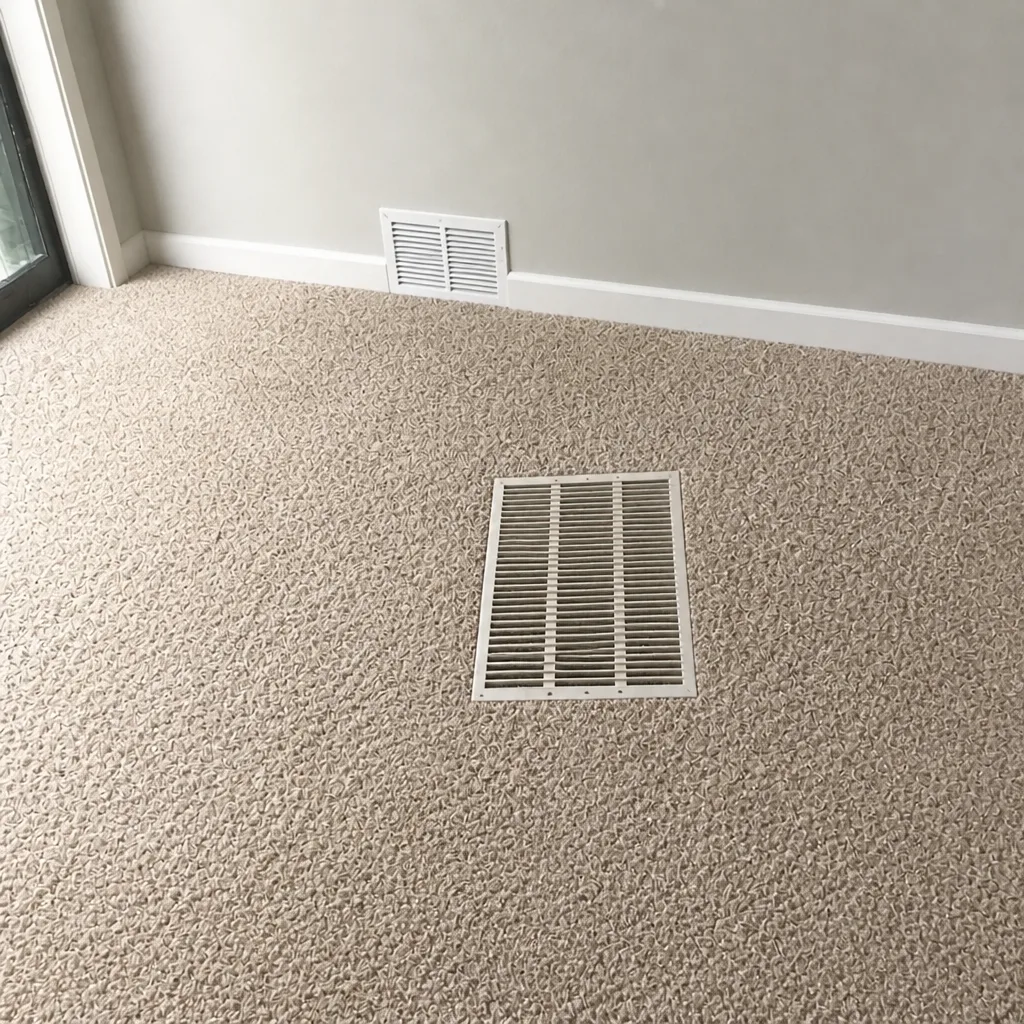 After
How to Compare Quotes Without Getting Fooled by the Lowest Price
Three quotes for duct cleaning can land across a wide range, and the low one is almost never the same job as the high one. The way to compare fairly is to match them against a checklist, not against each other’s numbers.
Call each company and get a written quote that covers the same scope. Then compare on these points:
- Scope: how many supply runs, return runs, and whether the main trunk lines and air handler are included. If one quote doesn’t mention the trunk or the air handler, you’re not comparing whole-system cleans.
- Equipment: the vacuum collection unit and whether it’s rated for whole-system negative pressure, plus the agitation tools used on each run. This is the single biggest reason quotes diverge.
- Inspection: whether camera inspection is included, optional, or not offered.
- Repair capability: whether the company can fix duct problems it uncovers, or only clean.
- Documentation: before-and-after photos, a written scope for the work performed, and a written note of any damage found.
- Dryer vent: quoted separately and clearly, not bundled in to make the number look bigger.
Whole-system duct cleaning is quoted per job, so a low number from a company that can’t describe its equipment and a low number from one that can are not the same thing. The first is a different service. When you compare matching scopes from capable companies, the gap narrows to the point where the choice is about documentation and repair capability, not price.
Don’t Overlook the Dryer Vent
Air duct work usually takes the attention, and the dryer vent gets skipped. That’s backwards from a safety standpoint. Lint accumulates in the dryer vent line every load, and a clogged vent is a leading cause of residential dryer fires. It’s not a maintenance convenience – it’s a fire risk waiting to be cleared, and it deserves the same professional approach as the duct work.
dryer vent cleaning done as a dedicated service means the full run is cleared, from the dryer connection to the exterior termination, and the technician can check for crushed sections, improper routing, and lint buildup near the exterior hood. Because our capability spans air duct cleaning, dryer vent cleaning, and air duct repair, you’re not finding a second contractor to handle the vent after the ducts are done. One call covers cleaning, repair, and air quality.
Common Mistakes to Avoid
- Booking on a door-hanger coupon without a scope. A coupon price with no written line item is a door to an invoice you didn’t agree to. Ask for the whole-system price in writing before booking.
- Assuming a license exists to check. Tennessee doesn’t license duct cleaners at the contractor level. If you ask for a license and get a shrug, that’s not your answer – call the equipment and process questions back into play.
- Confusing “duct cleaning” with “vent cleaning.” A job that stops at the grilles leaves the trunk and branch lines untouched. Clarify that the air handler and main lines are on the scope.
- Skipping the walk-through before payment. Once the truck pulls out, it’s harder to raise a question. Inspect the access points and photos while the crew is still there.
- Letting the dryer vent slide. A duct clean without a vent check leaves the lint and the fire risk in place. It should be quoted and scheduled, not treated as an optional add-on.
- Accepting verbal proof. “We cleaned it, it’s good” isn’t documentation. Before-and-after photos timestamps and a written scope are what protect you when no one else is checking.
- Believing a “certified” badge settles it. Membership, certification, and ACR compliance aren’t the same, and a badge can’t tell you which. Ask who’s certified and ask about the standard.
When to Call a Professional
You should call a professional if it’s been a long time since the ducts were cleaned and anyone in the house deals with allergies, or if you’ve just finished a renovation and dust and debris have been pulled through the system. Older ductwork, a newly purchased home with an unknown service history, and a dryer that takes longer than it used to all warrant a look. If you’ve been getting conflicting answers from contractors, or you want a scope and a price in writing from a company that uses professional-grade equipment and can also handle duct repair, call us. Duct Cleaning Clarksville offers free estimates in Clarksville – call (833) 519-7736. We answer 24/7. Fast dispatch from 7am to 7pm, Sunday through Friday.
Frequently Asked Questions
Whole-system duct cleaning in Clarksville is quoted per job, so the estimate depends on the size of the home and the number of runs, not a per-vent rate. Any company that quotes a fixed coupon price for a whole-house clean is pricing a different, smaller job than a full-system clean. Get the scope and estimate in writing. Call (833) 519-7736 for an exact quote – estimates are free.
They’re cheaper because they cover less. A low quote typically skips the professional vacuum collection unit and the mechanical agitation that reaches debris on the duct walls, and often stops at the registers rather than the main trunk lines and air handler. Compare the scope and equipment line by line, not just the total. Call (833) 519-7736 for a quote you can compare fairly.
Tennessee doesn’t require a specialty license for duct cleaning at the contractor level, which is why vetting on equipment and process matters more than a license check. Ask about the CFM rating of the vacuum unit, the agitation method used, and whether every run gets cleaned. Call (833) 519-7736 with those questions – we’re happy to answer them before you book.
You know the work was done when you get before-and-after photos with timestamps taken in your own home, a written scope of work that matches what happened, and a record of any duct damage found along the way. Review all three at the final walk-through, while the technician is still on site. Call (833) 519-7736 to schedule an estimate and see how we document the work.
No. NADCA certification is an individual credential a technician earns by passing an exam, while a license is a state-issued permission to operate – and Tennessee doesn’t issue one for duct cleaning. NADCA membership is a company-level affiliation, and the ACR standard is a process standard a job can follow regardless of either. Ask which of the three a company actually holds. Call (833) 519-7736 if you’d like to talk through what the job should include.
There’s no fixed calendar for duct cleaning. Most homes benefit from a full-system clean every few years, but a recent renovation, a pet-heavy household, ongoing allergies, or a home with unknown service history can make it worth doing sooner. A system that’s never been cleaned should be assessed rather than scheduled on a guess. Call (833) 519-7736 for a free estimate and a straight answer about your system.
The Bottom Line
Tennessee’s lack of a duct cleaning license means you can’t outsource your judgment to a state database. What you can do is ask the questions that separate a real job from a cheap one: CFM rating, agitation method, whole-system scope, repair capability, and documentation. Get the estimate and scope in writing. Walk the system with the technician before work starts, and walk it again before you pay, photos in hand. The company that answers all of that plainly is the one worth booking in Clarksville. Call (833) 519-7736 for a free estimate. We answer 24/7. Fast dispatch from 7am to 7pm, Sunday through Friday.
Written by the team at Duct Cleaning Clarksville.