
Last updated November 15, 2026
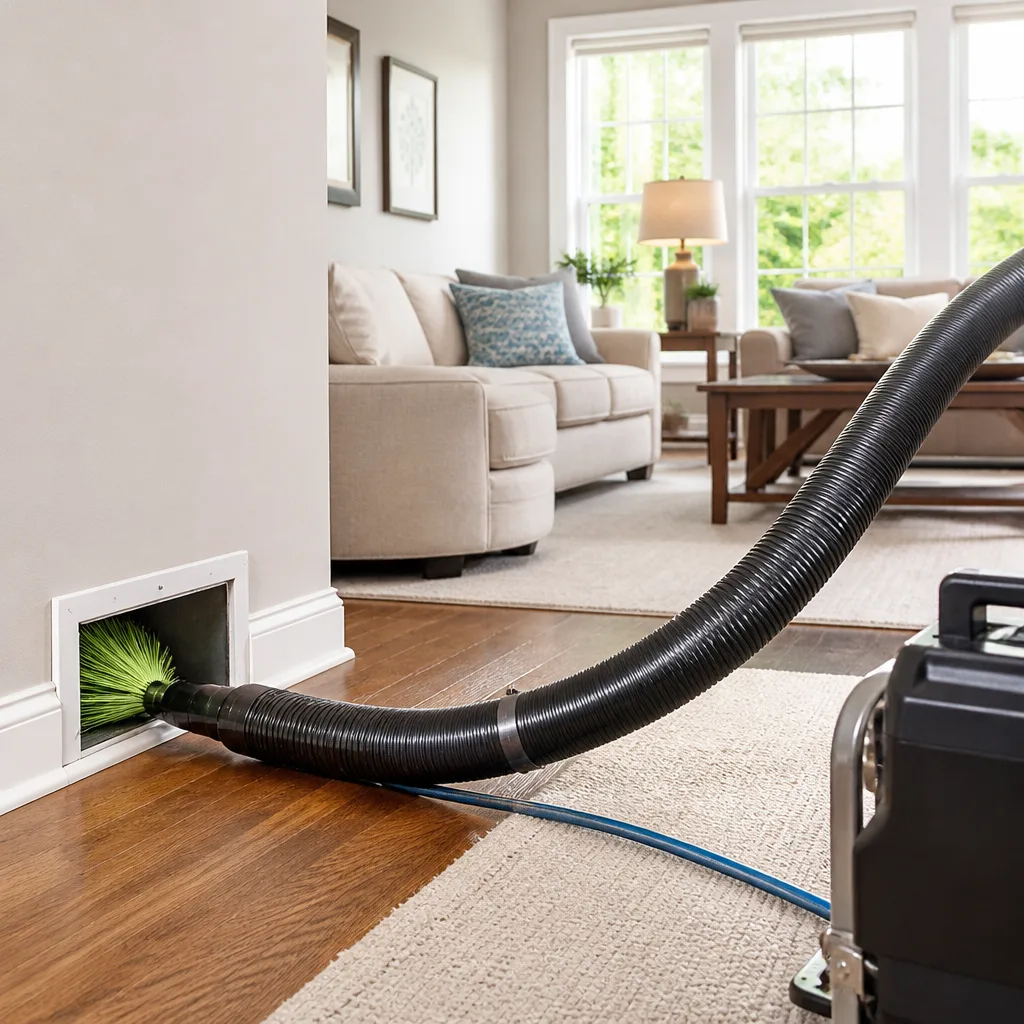 Whole-home duct cleaning
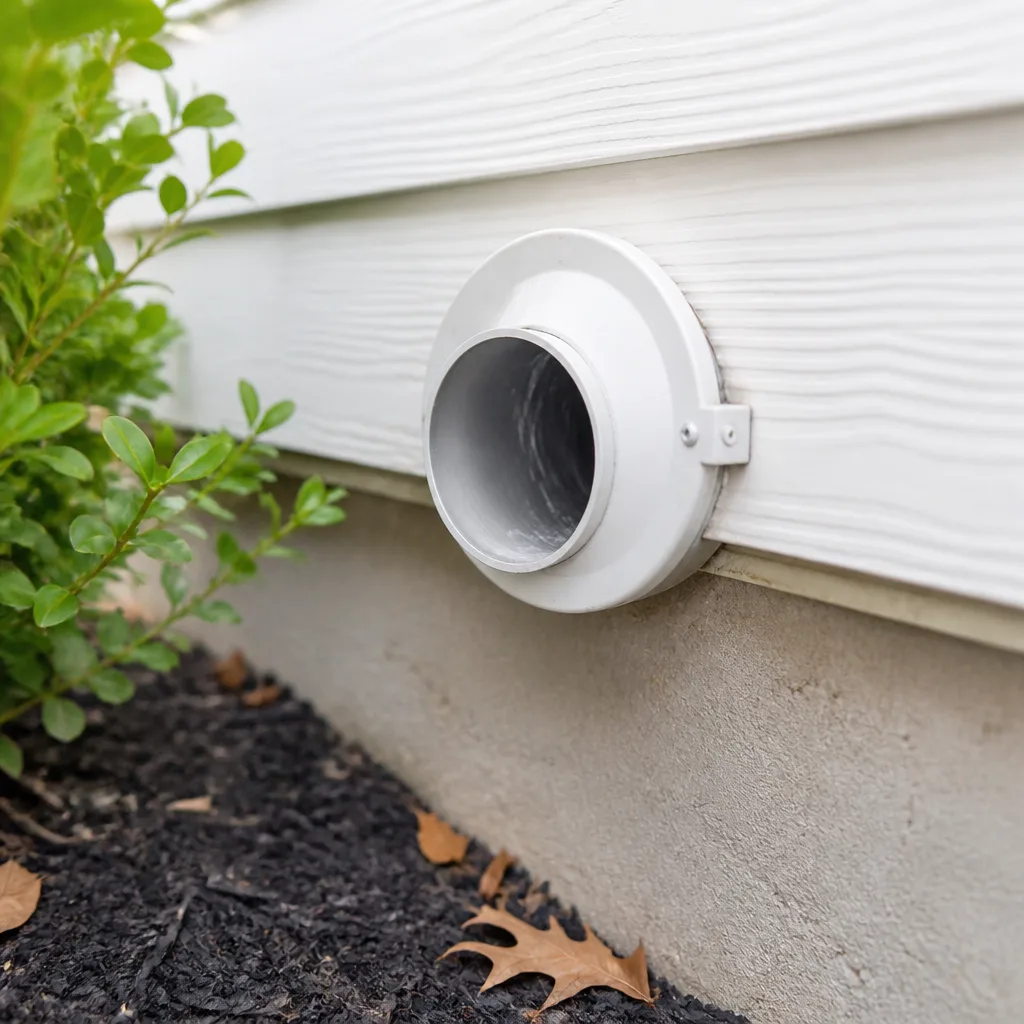 Dryer vent cleaning
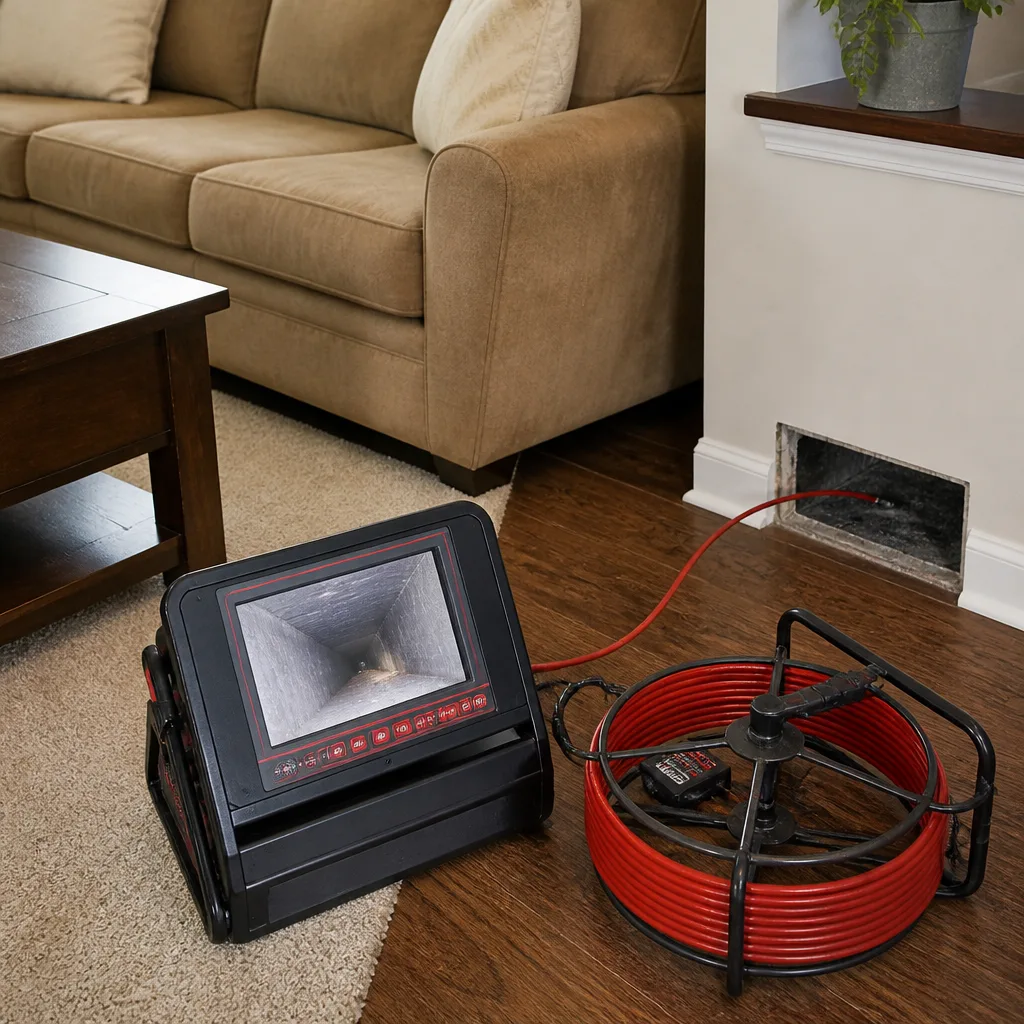 Camera inspection
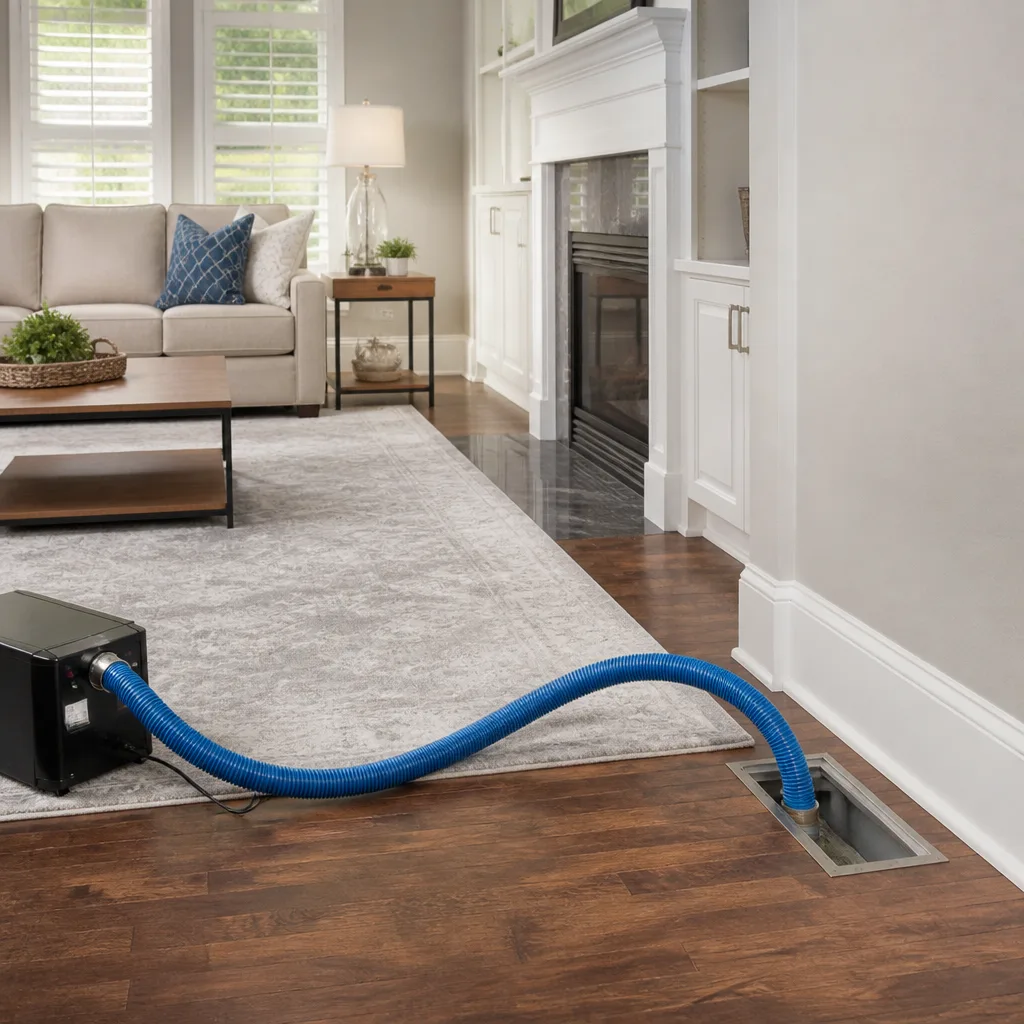 Sanitizing & deodorizing
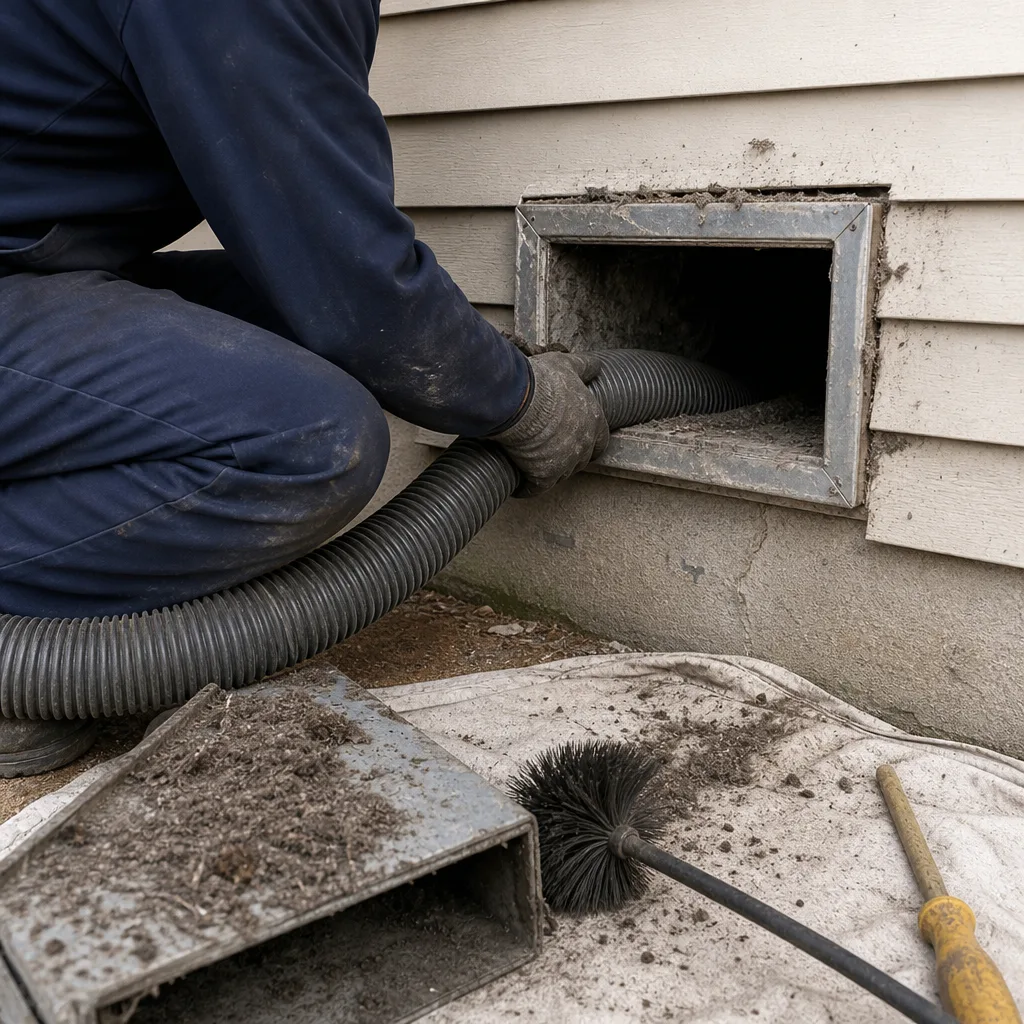
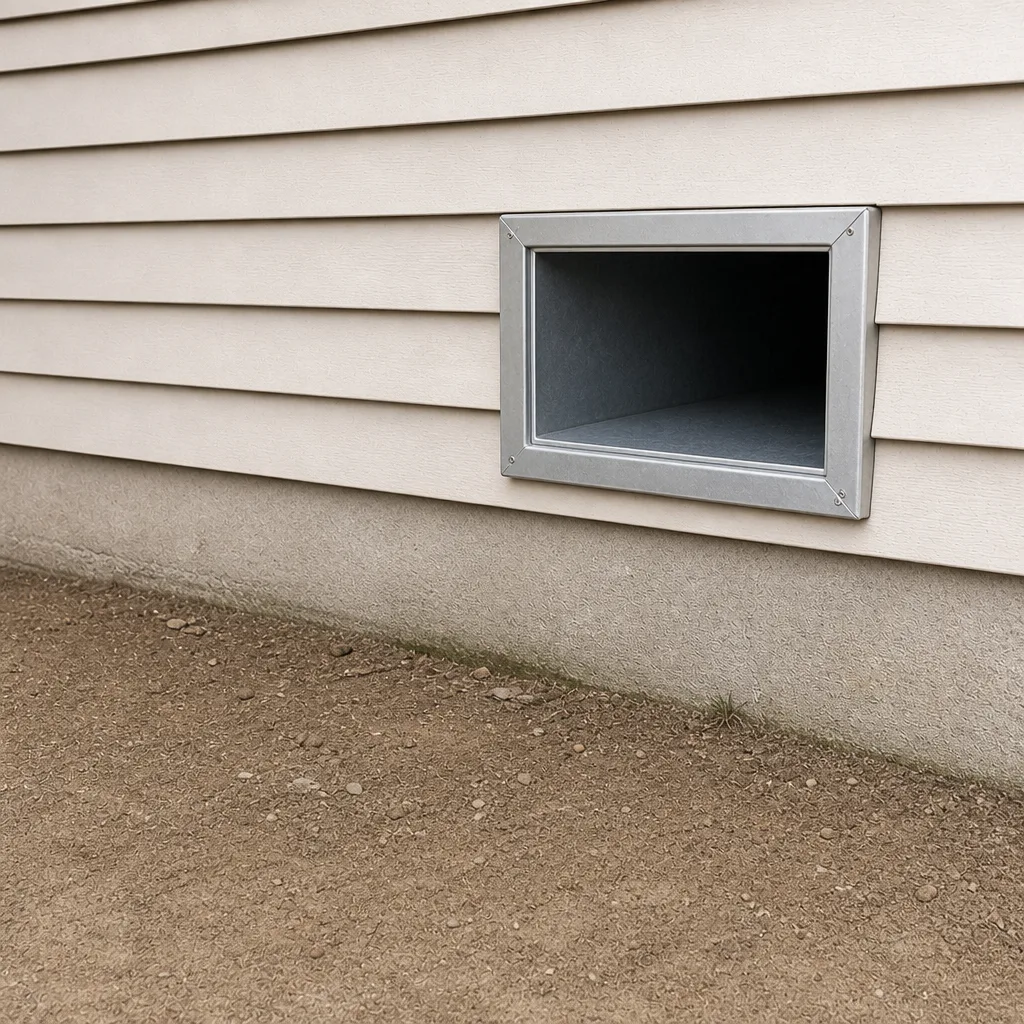
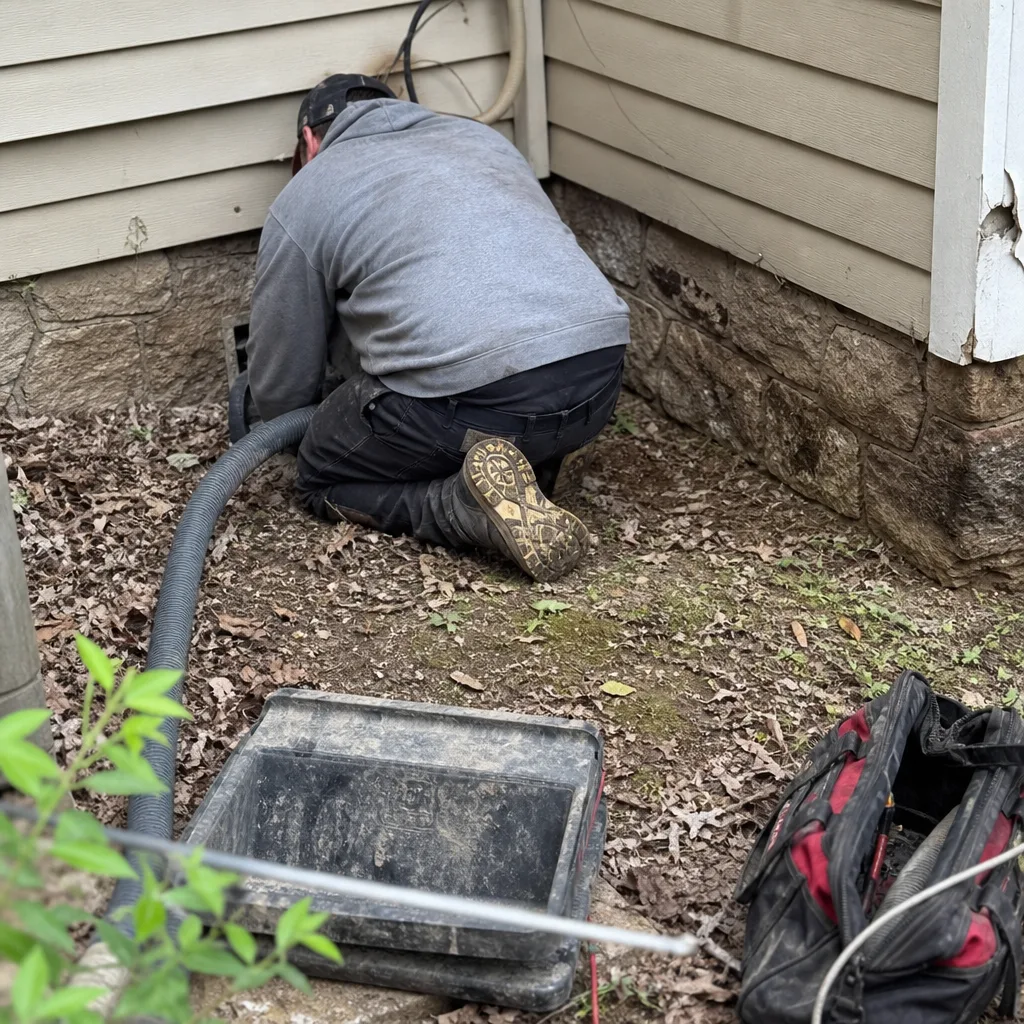
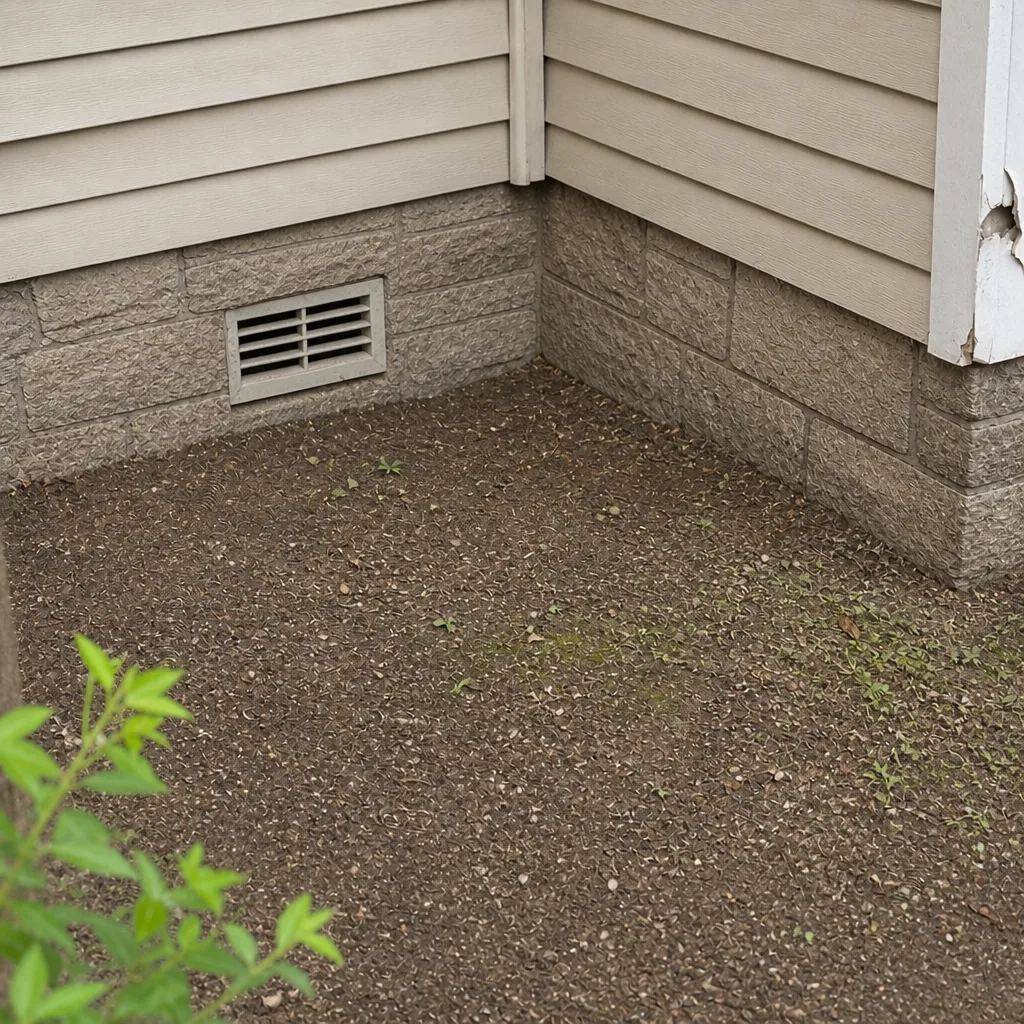
Whole-system duct and dryer vent check with before-and-after photos - you see exactly what came out of your vents
That "$99 whole-house special" is a bait ad - the real number appears once they are in your hallway, or the "clean" is a shop-vac at the register. We photograph the inside of your ducts before and after instead.
The Complete Guide to Air Duct Cleaning in Clarksville
Most duct cleaning you can book in Clarksville is not a full-system clean. A budget crew often arrives with a portable unit that looks like an oversized shop vac, runs a hose through the vents, and is gone in under an hour. That kind of unit generates roughly one-tenth the negative pressure of a truck-mounted vacuum with a proper collection drum, and most homeowners never know which one showed up in their driveway. This guide walks through the actual equipment stack behind a real clean, step by step, so you can tell a thorough job from a surface pass before you book one in Clarksville.
Quick Answer
A full-system air duct cleaning in Clarksville means agitating every branch line with a rotary brush or air whip while a high-powered negative-pressure source holds the dust in a sealed collection drum, then verifying the result with a camera. Cleaning the supply and return trunks alone is not a complete job. The blower compartment, air handler coil, and plenum box all have to be part of the scope for the work to count.
Styles & brands we work with
- Whole-home duct cleaning
- Dryer vent cleaning
- Camera inspection
- Sanitizing & deodorizing
Table of Contents
- What a Full-System Clean Actually Includes
- The Equipment Stack, Explained
- Clarksville Factors That Shape Your Ducts
- The NADCA ACR Standard and What Deviating Looks Like
- When Cleaning Isn’t Enough and Repair Is the Fix
- Dryer Vent Cleaning as a Fire-Safety Step
- What Air Duct Cleaning Costs in Clarksville
- How to Choose a Duct Cleaner in Clarksville
What a Full-System Clean Actually Includes
A full-system clean reaches every component that touches moving air, not just the branches you can see when a vent cover comes off. We break the scope into four parts, and all four matter for the result.
First is the supply side. Every branch line running from the plenum to a floor, wall, or ceiling register gets agitated and pulled under negative pressure. Second is the return side, which often carries the heaviest soil load because it draws from living space. Third is the air handler: the blower compartment, the coil face, and the interior of the plenum box where the trunk connects.
Fourth is verification. A technician uses a camera to look inside the trunk and a representative sample of branch lines before and after agitation. That camera footage is your proof the work happened. Duct Cleaning Clarksville provides before-and-after photos of your own ducts, not stock images from someone else’s house.
Here’s how a typical full-system job runs, from arrival to walkthrough:
- Inspect the system and confirm register count, trunk layout, and access points.
- Set the negative-pressure source and seal the system so dust has one place to go.
- Agitate each branch line with a rotary brush or air whip, working from the farthest register toward the trunk.
- Clean the blower compartment, coil face, and plenum box by hand and with air tools.
- Run camera verification and photograph the trunk and branch lines.
- Walk you through the findings, including any damage the cleaning revealed.
If a company quotes you without looking at your system, feels no need to pull the blower door, or won’t confirm the air handler is in scope, you’re being sold a partial job.
The Equipment Stack, Explained
The difference between a real clean and a cosmetic one comes down to four tools working together. Each one has a job, and skipping any of them leaves dust behind. Professional-grade equipment, not consumer shortcuts, is the line between the two.
- Negative-pressure source. A truck-mounted vacuum with a collection drum pulls a strong, steady vacuum through the whole system. A portable shop-vac style unit is quieter and cheaper to run, but it can’t hold that pressure across long duct runs.
- Rotary brush or air-whip agitation. Negative pressure alone won’t loosen dust that has adhered to duct walls. A rotating brush scrubs the surface; an air whip uses compressed air to knock debris loose from every angle. Rotary brush systems from Rotobrush and Nikro are the standard for residential work because they reach into branch lines without tearing flexible duct.
- HEPA collection. Everything you loosen has to end up somewhere. A HEPA-filtered collection drum traps fine particles instead of blowing them back into the house. Without it, the cleaning just relocates dust.
- Camera verification. A small camera on a flexible rod lets the technician see the inside of the trunk and each branch line. It confirms the before condition and shows the after.
For homes with elevated contamination, like a recent renovation or a long-neglected system, we also work with Abatement Technologies air-purification equipment to run filtration and containment beyond a standard clean. Rotobrush and Nikro systems cover the everyday work. That wider equipment range is what separates a full-system indoor-air specialist from a duct-vac truck.
Clarksville Factors That Shape Your Ducts
Ducts in Clarksville deal with conditions that change how often they need attention and what kind of soil they collect. Three stand out.
Humidity and mold risk. Summers here are long, hot, and sticky. Air conditioning runs hard for months, which means moisture condenses on cold coil surfaces and sometimes inside ductwork when a system is oversized or the return side is leaky. That moisture is what mold needs. Damp insulation lining, musty odors when the fan kicks on, and visible dark staining near registers are all worth checking. In high-humidity conditions, cleaning the coil and duct interior together does more for air quality than cleaning the ducts alone.
Red-clay construction dust. New-home areas around the Fort Campbell side of town sit on red clay soil, and that fine clay dust finds its way into ductwork during and after construction. It’s gritty, it clings, and it settles into branch lines. Homes built in the last several years often have more construction debris in their ducts than older houses, not less, and that’s worth knowing before you assume a new build has clean ductwork.
Older slab homes and long horizontal runs. Plenty of Clarksville neighborhoods have single-story slab construction with ductwork running long distances under the slab or inside a chase. Those horizontals collect more sediment because they sit low, and they’re harder to reach with agitation tools, so a cleaning that only hits the short vertical runs misses the worst of it. Ask specifically how the technician plans to reach the long horizontals.
The neighborhood context matters less than the house itself, but it’s worth knowing what our local Clarksville work tends to run into.
The NADCA ACR Standard and What Deviating Looks Like
The North American Duct Cleaners Association (NADCA) publishes the ACR standard, which is the accepted benchmark for the residential duct cleaning trade in the United States. It spells out how a full cleaning should be scoped, performed, and verified. You don’t need to read the whole document, but knowing how a job should run tells you when someone is cutting corners.
Under the ACR standard, a cleaning covers all components that come into contact with airflow: the supply and return ductwork, registers, grilles, diffusers, plenums, and the air handling unit. It requires a source of negative pressure strong enough to keep loosened soil in the collection device. It calls for agitation that actually contacts the surfaces of the ductwork. And it expects a documented before-and-after comparison.
Here’s what deviations look like in practice:
- The crew cleans the supply registers but doesn’t pull the blower door, leaving the air handler undone.
- The hose makes a pass at each register without a brush, so surface dust is scuffed but not removed.
- No negative pressure, or a portable unit so small it can’t pull through long runs.
- No photos and no documentation of the before condition, so you have no way to know what was there.
- No camera inspection of branch lines or the trunk.
None of these are cause for panic on their own, but a clean that leaves out more than one is not a full-system clean under NADCA’s definition, whatever the invoice says.
When Cleaning Isn’t Enough and Repair Is the Fix
Sometimes the honest answer to a duct problem is repair, not cleaning. Cleaning removes soil from ductwork that’s intact. If the ductwork leaks, sags, or has separated joints, cleaning alone won’t restore its performance, and it may just re-soil the system faster because unfiltered air keeps pulling in from the attic or crawlspace.
Here’s a quick way to tell them apart. Cleaning is the answer when the ducts are sound but dirty. Repair is the answer when any of these are true:
- Airflow is weak in one or two rooms but fine in others, suggesting a crushed or disconnected branch line.
- You can see visible gaps at joints, especially in flexible duct or where a run passes through a wall or floor cavity.
- Rooms above a garage or over a crawlspace stay noticeably warmer or colder than the rest of the house.
- The system seems to pull dust back in even after a cleaning.
- There’s rattling or whistling at a register when the fan runs.
Most single-service duct cleaners stop at cleaning because they don’t do repair. Duct Cleaning Clarksville offers the full-system clean and the repair together, which means if the cleaning turns up a duct problem, it gets handled in the same visit rather than sending you to find a second contractor. One call covers cleaning, repair, and air quality.
Dryer Vent Cleaning as a Fire-Safety Step
A clogged dryer vent is a fire risk, not a maintenance chore. Lint is highly flammable, and a vent packed with it traps heat until the dryer overworks and overheats. Cleaning the duct system doesn’t touch the dryer vent, so it belongs in its own category of service.
Signs the vent needs attention now:
- Clothes take longer than usual to dry, often two cycles when one used to do it.
- The dryer body gets hot to the touch during a cycle.
- Lint accumulates behind or beneath the dryer, or a visible screen fills quickly.
- You can’t feel strong airflow at the exterior vent flap when the dryer runs.
- Weeks or months have passed since the last cleaning, and the vent run is long or has bends.
Dryer vent cleaning is a core service for dryer vent cleaning, not an upsell pushed at the end of a duct job. We use dedicated rotary and vacuum equipment on the vent the same way we do on ductwork, and we photograph what comes out so you can see the difference.
If you’re scheduling the duct system cleaning, it’s worth booking the dryer vent at the same time. Both are safety and air-quality work, and both benefit from the same professional-grade equipment. Our air duct cleaning scope covers the HVAC side. The vent is handled separately.
What Air Duct Cleaning Costs in Clarksville
Air duct cleaning in Clarksville is priced per job, not per vent, and the written estimate you get before work begins is the price you pay. That flat price per system is the anti-bait-and-switch answer to the industry’s worst habit: a low teaser number that becomes a much larger invoice once the technician is on site.
Typical ranges for a full-system clean depend on the size of the home, the number of registers, the length of the branch runs, and whether the air handler and coil are included. Here’s how the pricing breaks down for a full-system clean:
- Standard single-story home, roughly 8 to 12 registers: typical estimate in the low to middle hundreds of dollars.
- Two-story or larger home with 12 to 20 registers: typical estimate in the middle hundreds of dollars.
- Air handler, coil, and plenum box included: adds to the base clean; confirm it’s in scope before you book.
- Dryer vent cleaning as a separate service: priced on its own and quoted at the same time.
- Duct repair, if needed: priced after the cleaning inspection reveals what has to be fixed.
Why are some quotes so much cheaper? A per-vent price with no mention of the air handler is the most common reason. The clean looks like a bargain until you realize half the system was never on the invoice. We give one flat price per system, agreed before work starts, and before-and-after photos of your own ducts so you know the work was actually done. Any written estimate sets the final price.
How to Choose a Duct Cleaner in Clarksville
Choosing a duct cleaner in Clarksville means asking a handful of specific questions before you book. The right ones tell you whether the company can actually do a full-system job with the equipment it takes.
- What’s the vacuum? Is it truck-mounted with a collection drum, or portable? A portable unit can work on smaller jobs but should be HEPA-filtered and paired with strong agitation.
- Do you use a rotary brush or air whip, or just a hose? Agitation is what removes adhered dust. A hose alone won’t.
- Is the air handler, coil, and plenum box included in the quote? If not, the job is partial.
- Will you photograph the before and after? Before-and-after photos of your own ducts are your proof.
- Do you offer duct repair, or cleaning only? If the cleaning exposes a repair, you’ll want it handled in the same visit.
- Is the price per system or per vent? Per-system flat pricing with a written estimate is the standard to hold out for.
Our technicians have up to 13 years of experience and use Rotobrush and Nikro systems, plus Honeywell and Aprilaire filtration expertise where whole-home air quality matters. If you want a fit-for-purpose clean, that’s the equipment conversation to have. For the broader service picture, see Duct Cleaning Clarksville.
Common Mistakes to Avoid
- Booking on price alone. The cheapest quote is almost always a partial clean with a portable unit. Get the equipment and scope in writing before you compare numbers.
- Assuming new construction means clean ducts. In Clarksville, new homes near the red-clay soil and Fort Campbell areas often carry more construction grit into the branch lines than established homes do.
- Skipping the air handler. A cleaning that leaves the blower compartment, coil, and plenum box untouched leaves the largest soil reservoir in the system alone.
- Cleaning ducts but not the dryer vent. These are two separate jobs with two separate risk profiles, and the vent is the fire-safety half most homeowners forget.
- Ignoring a repair need. Cleaning leaky or sagging ductwork without fixing it means the system re-soils faster. If the cleaning reveals a problem, have it addressed in the same visit.
- Accepting no photographic evidence. Without before-and-after photos of your own ducts, you have no way to know what was done. Ask for them.
- Forgetting to ask about humidity. In a Clarksville summer, a duct system with a wet coil and an undersized return is a mold risk. Ask whether coil cleaning is on the quote.
See the difference
 Before
 After
 Before
 After
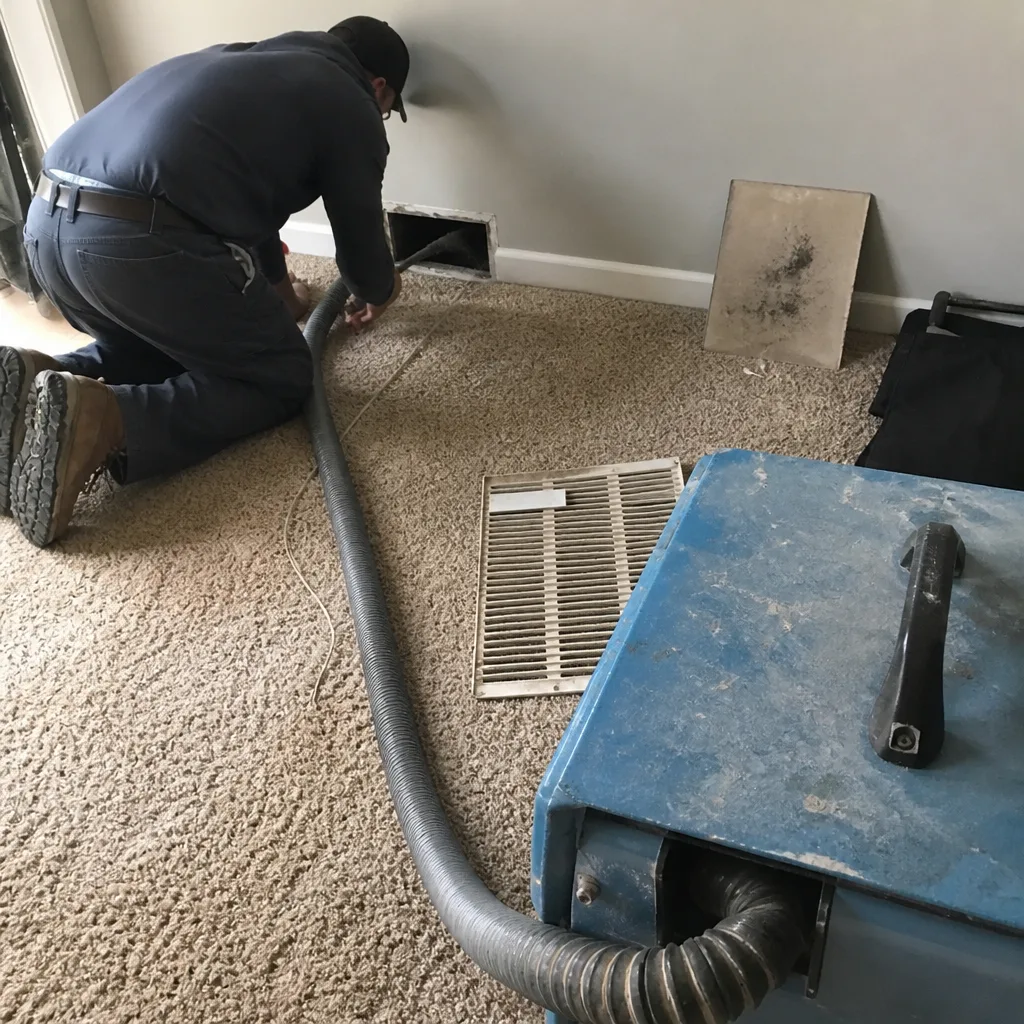 Before
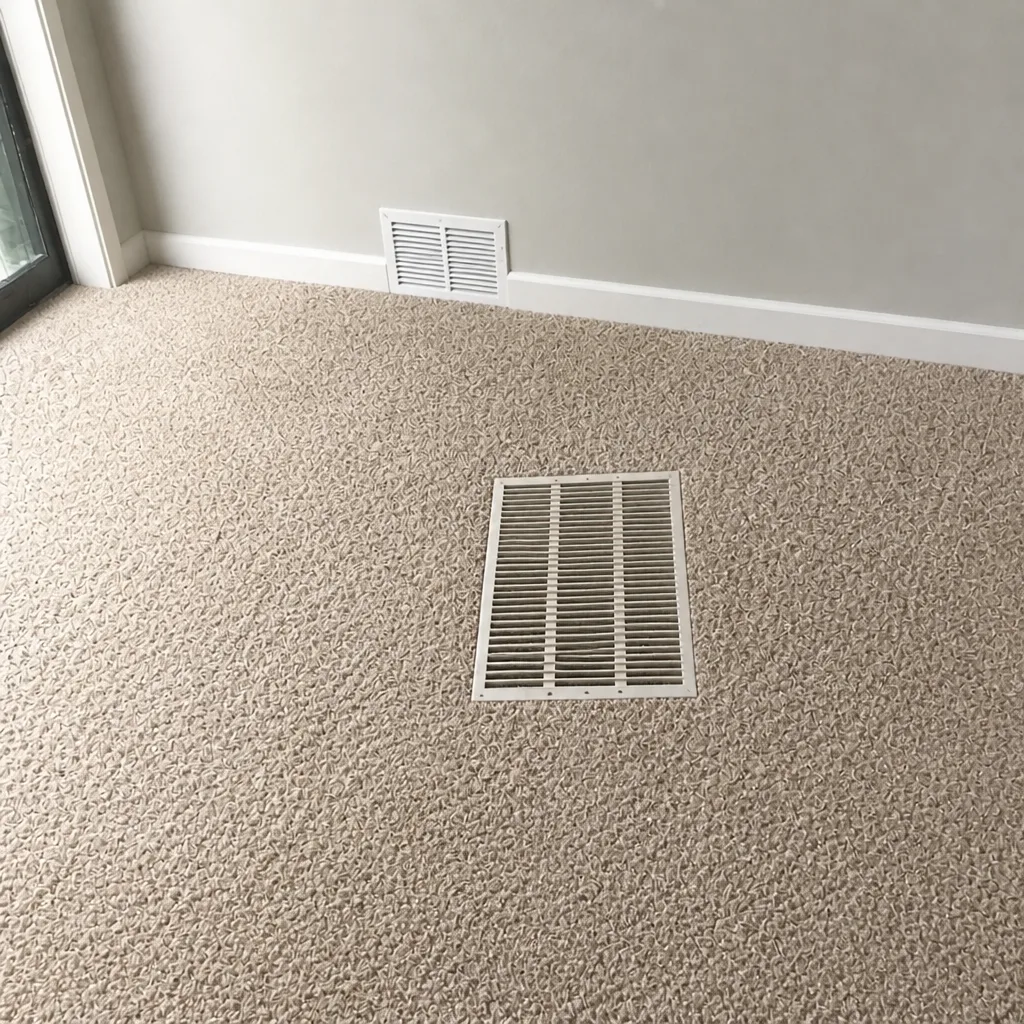 After
When to Call a Professional
Call a professional when you notice any of these: a new musty smell when the fan comes on, visible dust plumes from a register each time the system starts, allergy symptoms that seem worse indoors than out, a recent renovation that left construction dust everywhere, or a dryer that takes two cycles to dry a normal load. If your home is older or sits on a slab with long horizontal runs, a routine inspection is worth scheduling even without a symptom. Duct Cleaning Clarksville offers free estimates in Clarksville – call (833) 519-7736 to book one. We answer 24/7, with fast dispatch from 7am to 7pm, Sunday through Friday. Our team is closed on Saturday.
Frequently Asked Questions
A full-system air duct cleaning in Clarksville typically runs in the low to middle hundreds of dollars for a standard single-story home with 8 to 12 registers, and higher for larger homes or when the air handler, coil, and plenum box are included. The written estimate sets the final price. Call (833) 519-7736 for an exact quote – estimates are free.
Most homes in Clarksville do well with a full-system clean every few years, but that’s an estimate. Homes with pets, recent renovations, allergy-sensitive occupants, long horizontal runs on a slab, or high summer humidity often need it more often. Call (833) 519-7736 to talk through your situation – the estimate is free.
Cheap quotes usually leave something out of scope: the air handler, the coil, or the plenum box, or all three. They’re often priced per vent, so the invoice climbs once the crew is on site. We give one flat price per system, agreed before work starts. Call (833) 519-7736 for a written estimate – estimates are free.
Before-and-after photos of your own ducts are the answer. Ask any duct cleaner in Clarksville to photograph the trunk and a sample of branch lines before and after, and to show you the camera verification. Without that, you’re taking the work on faith. Call (833) 519-7736 for a photo-documented job – estimates are free.
Yes. Long, sticky summers here mean an air conditioning system runs hard, and a wet coil or a leaky return can put moisture into the ductwork. That’s what mold needs to grow inside a duct. If you smell something musty when the fan starts, that’s worth investigating before you book a standard clean. Call (833) 519-7736 to talk it through.
Yes. We treat them as separate services with separate equipment and pricing, but they can be scheduled in the same visit. Doing both at once saves you a second appointment and covers the two indoor-air and fire-safety issues that most homeowners in Clarksville deal with together. Call (833) 519-7736 to schedule – estimates are free.
The Bottom Line
A real air duct cleaning in Clarksville is a full-system job with a specific equipment stack: strong negative pressure, rotary brush or air-whip agitation, HEPA collection, and camera verification. Anything less is a partial clean. Add the blower compartment, coil, and plenum box to the scope, check the air handler is on the invoice, and ask for before-and-after photos of your own ducts. Then look at the dryer vent as a separate safety service, and give the repair capability the same weight as the cleaning. If you want a quote that reflects a full-system clean, that’s what we do. Call (833) 519-7736 for a free estimate. We answer 24/7, with fast dispatch from 7am to 7pm, Sunday through Friday. We’re closed on Saturday.
Written by the team at Duct Cleaning Clarksville.