
Last updated November 15, 2026
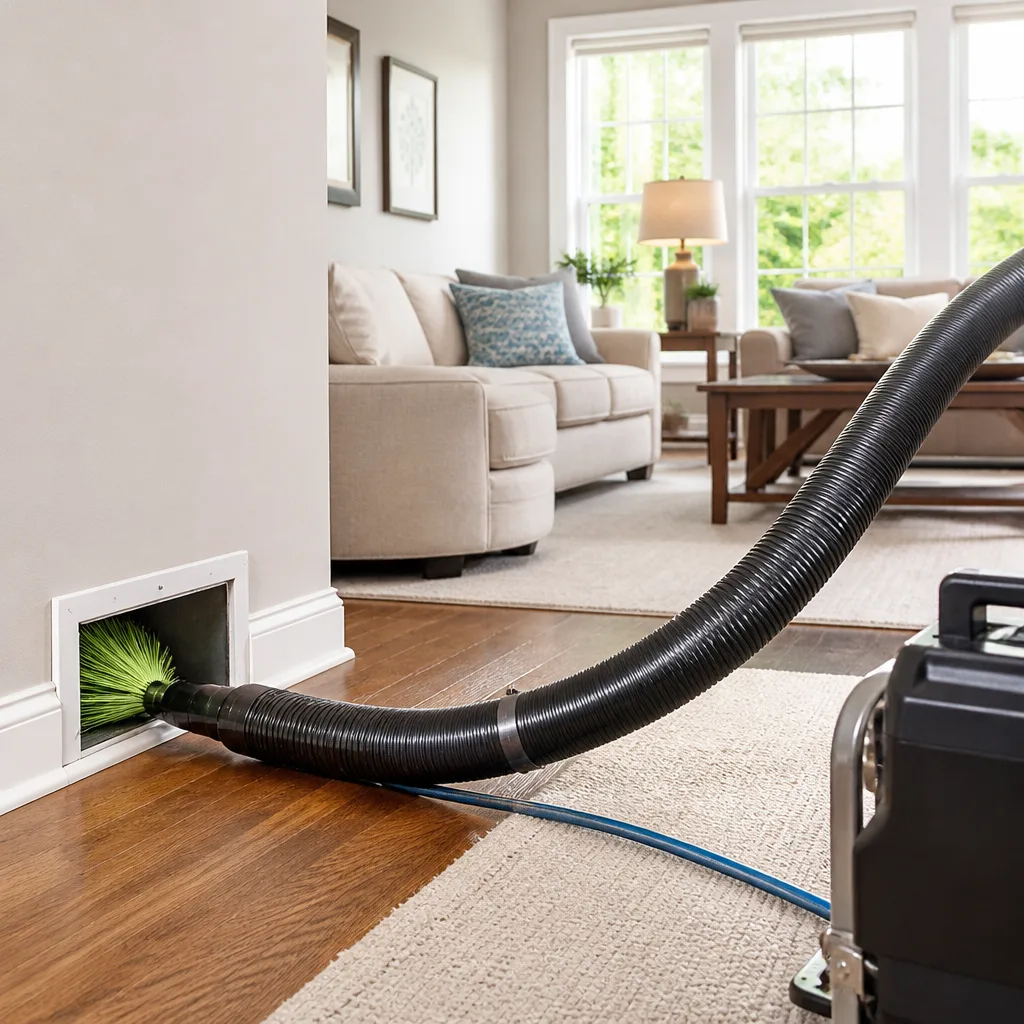 Whole-home duct cleaning
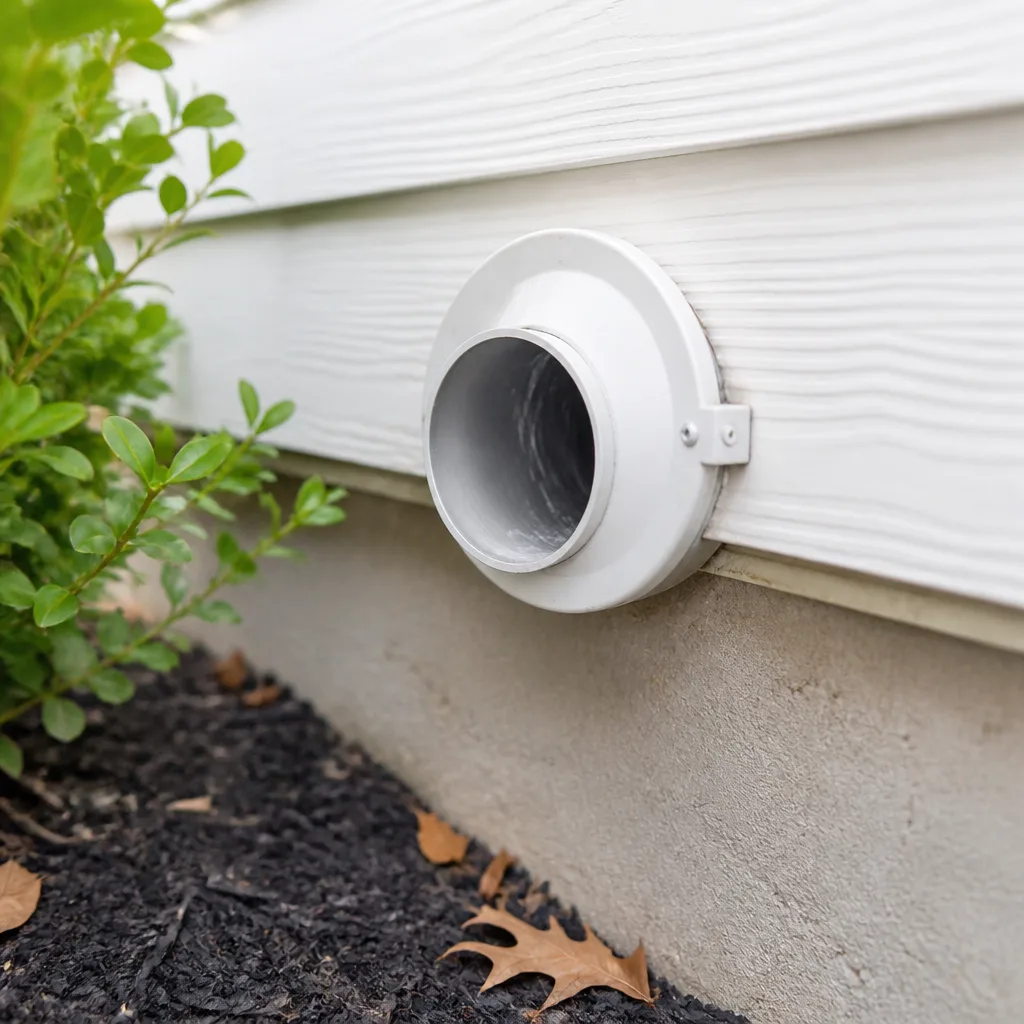 Dryer vent cleaning
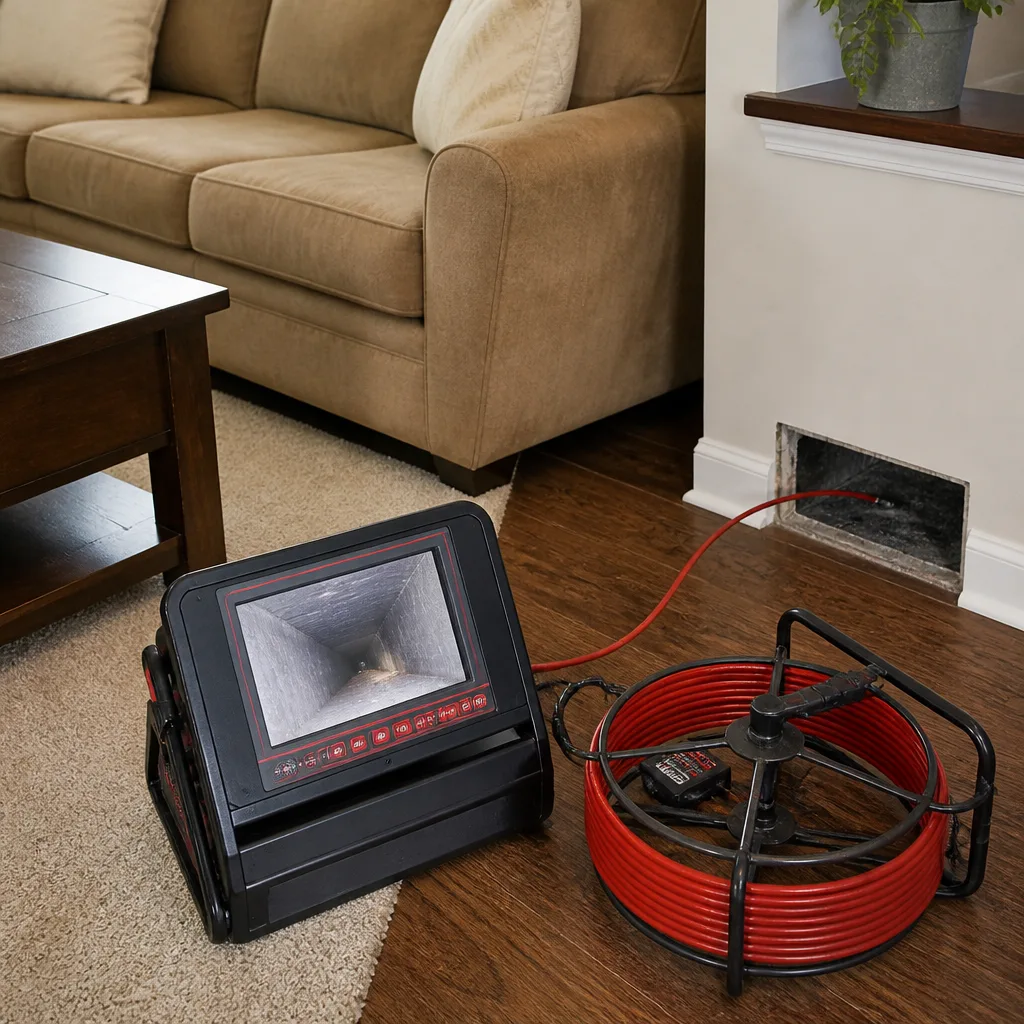 Camera inspection
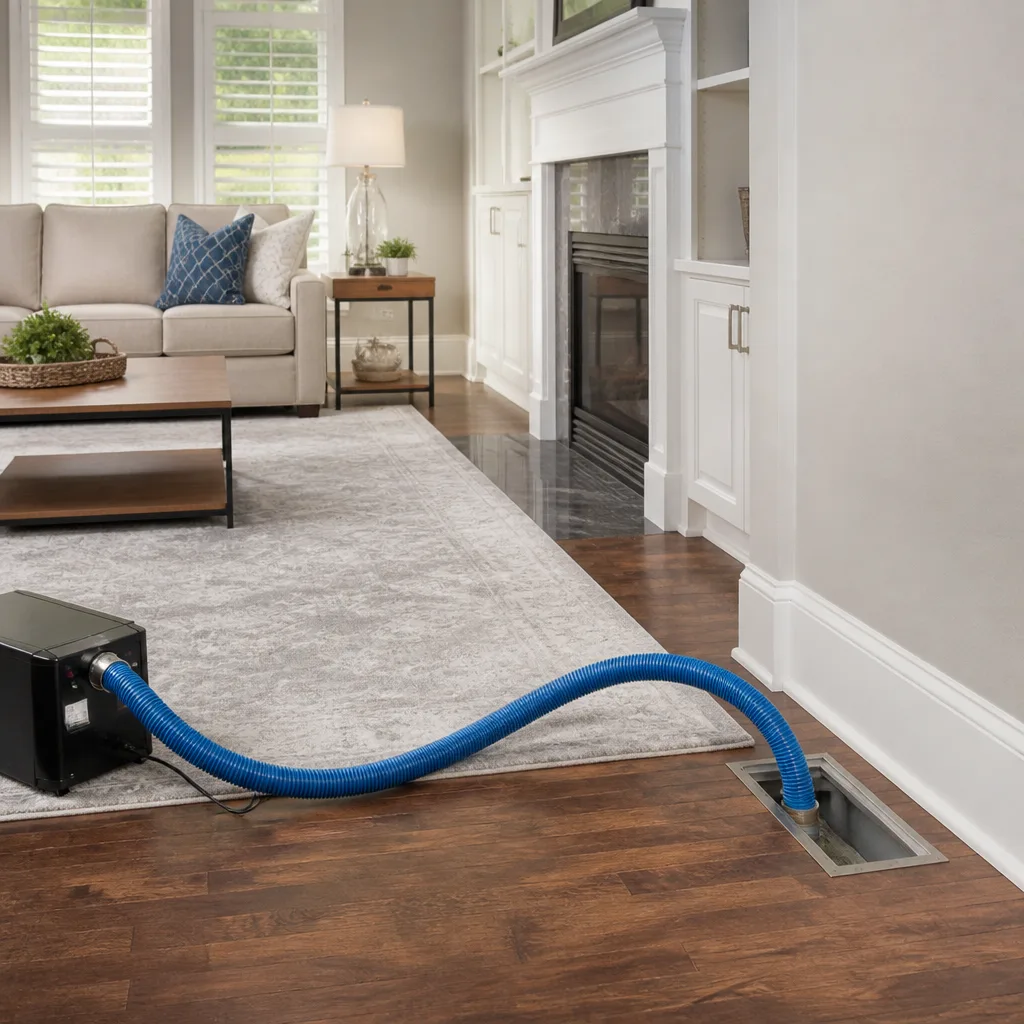 Sanitizing & deodorizing
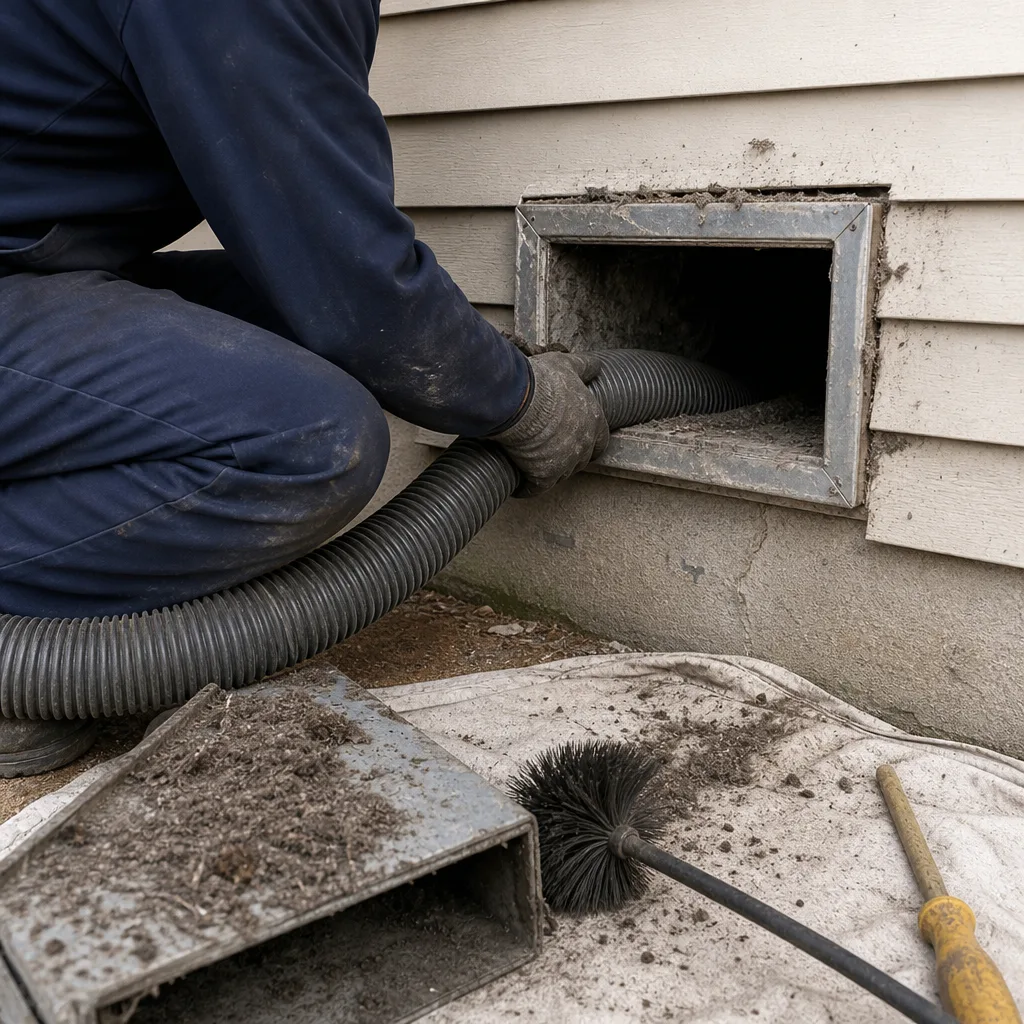
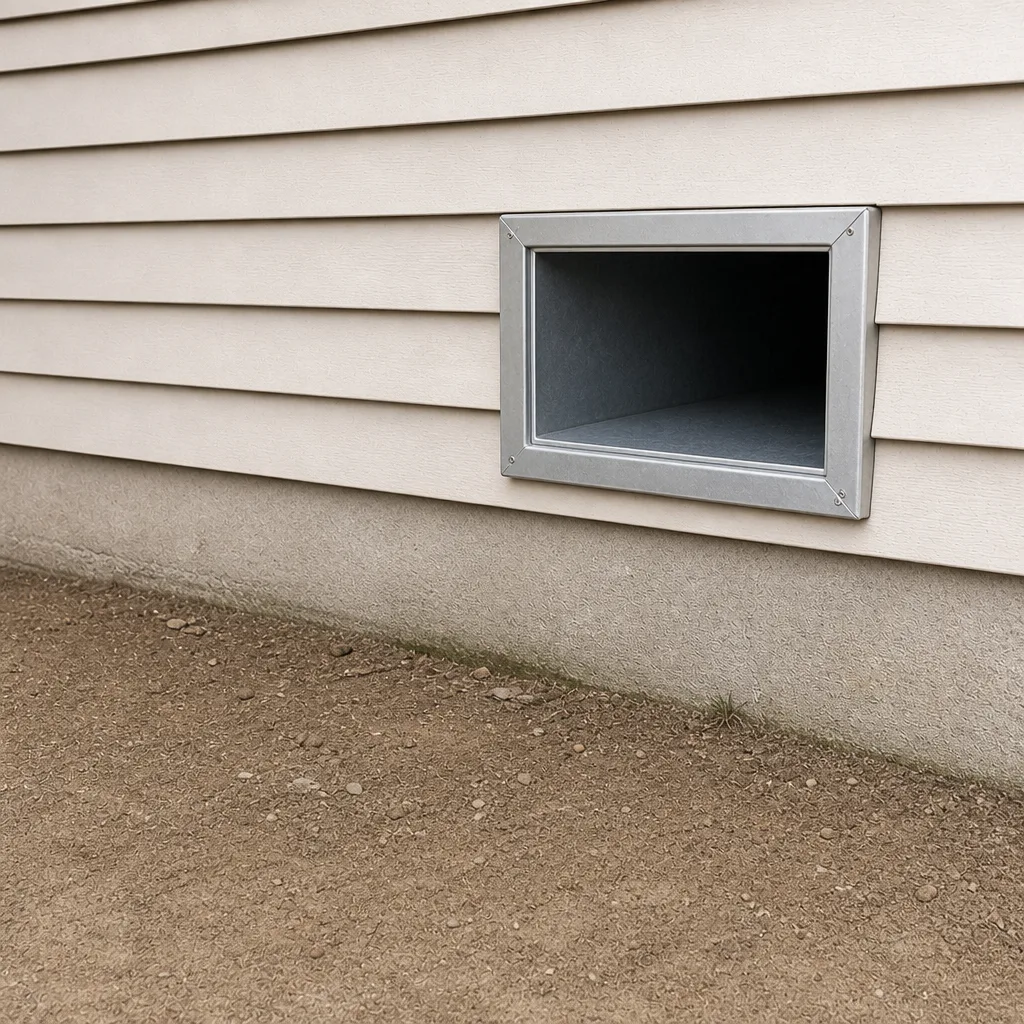
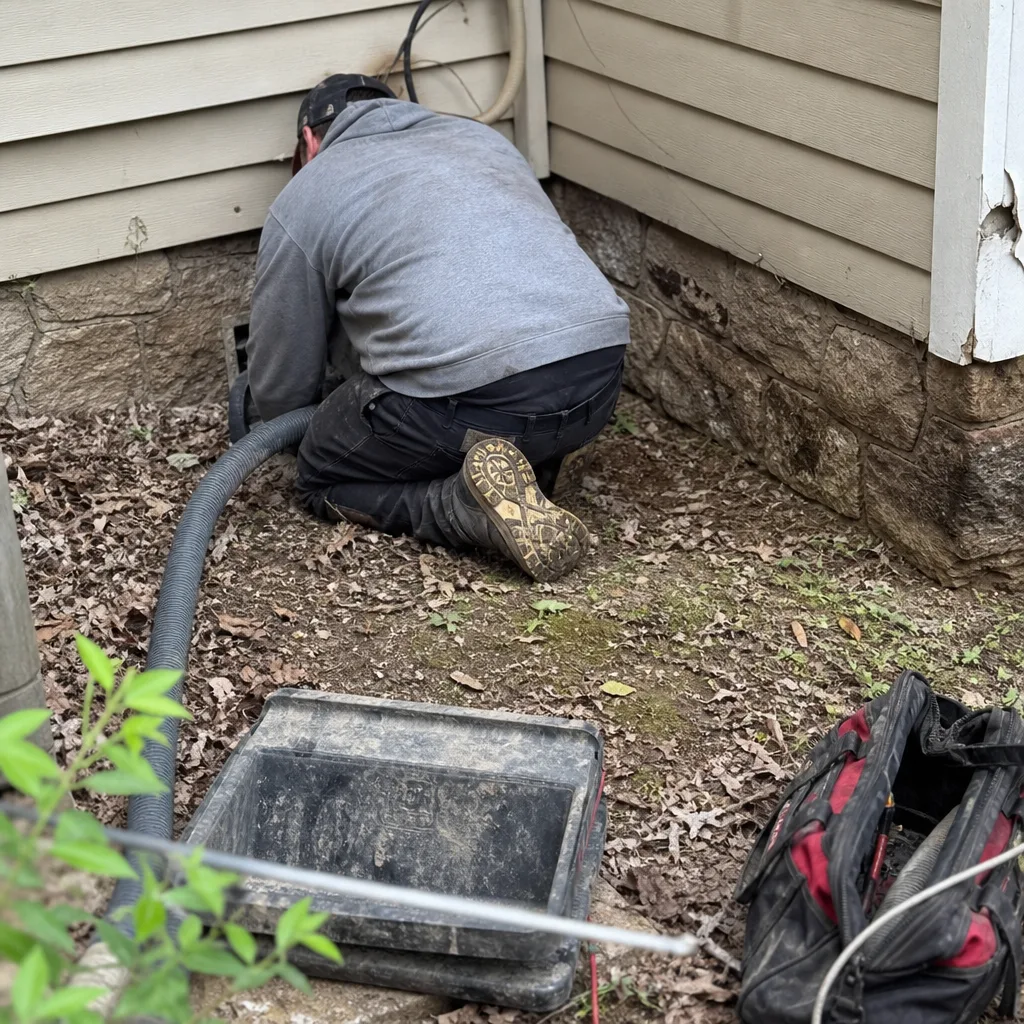
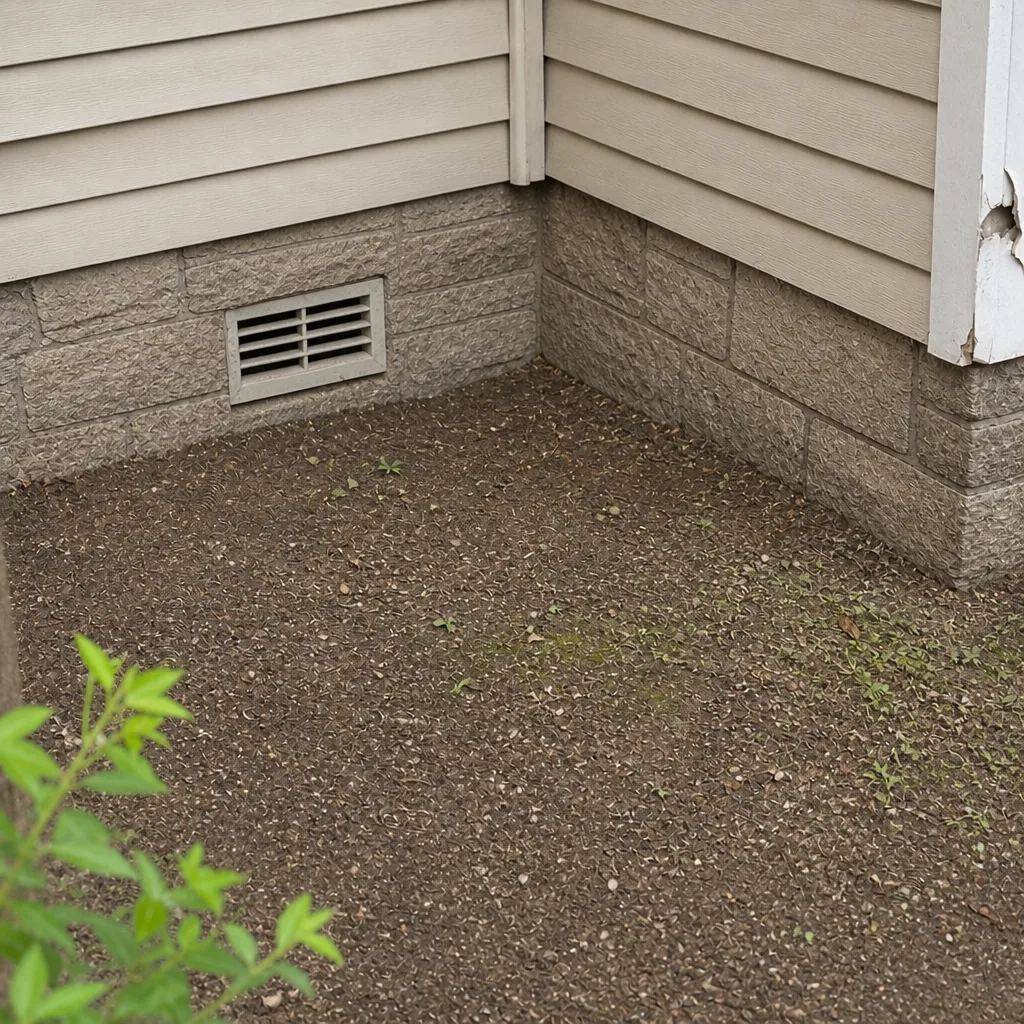
Whole-system duct and dryer vent check with before-and-after photos - you see exactly what came out of your vents
That "$99 whole-house special" is a bait ad - the real number appears once they are in your hallway, or the "clean" is a shop-vac at the register. We photograph the inside of your ducts before and after instead.
Air Duct Cleaning Emergency Preparedness Guide for Clarksville Homes
The instinct during a storm, a flood, or a thick smoke day is to seal up the house and shut the HVAC system down. Usually that’s exactly wrong. The more common mistake is subtler: assuming the duct system is fine because the air handler still runs and nothing looks broken from the hallway. Duct emergencies in Clarksville rarely announce themselves. They show up as standing water in a return pan, as soot pulled into a bedroom, as condensation fogging a cold trunk line after the heat comes back on. This guide separates a true duct emergency from a job that can wait, walks through what each Clarksville weather event does to a duct system, and gives you a checklist you can finish before the next storm watch. You’ll learn what to do in the first ten minutes, what to do in the first day, and what to leave to trained technicians.
Quick Answer
A duct cleaning emergency is any situation where water, smoke, soot, or another contaminant is actively moving through the ducts into the living space, or where standing water is sitting inside the ductwork. Flood water in ducts, smoke infiltration during a wildfire event, and a frozen outdoor air intake that has forced the system off all qualify. Heavy renovation dust, a musty smell, and a dirty filter are priority calls, not emergencies.
Styles & brands we work with
- Whole-home duct cleaning
- Dryer vent cleaning
- Camera inspection
- Sanitizing & deodorizing
Table of Contents
- Emergency or Priority? How to Tell the Difference
- Post-Storm Protocol for Tornado and Severe Thunderstorm Damage
- Wildfire Smoke Response: When to Run the System and When to Shut It Down
- Ice Storm Protocol: Frozen Intakes and Condensation inside Ducts
- Pre-Storm Preparedness Checklist for Clarksville Homes
- Flooded Ductwork: Why This Is a Real Emergency
- What a Professional Assessment Actually Involves
- Common Mistakes to Avoid
Emergency or Priority? How to Tell the Difference
Most calls that come in framed as an emergency turn out to be priority work. That’s not a dismissal of the concern. It’s a distinction that changes how fast you need to act and what you should avoid doing in the meantime. Getting this right in the first hour is the single most useful thing a Clarksville homeowner can do.
A true emergency has three markers. First, water is in the duct system. Standing water in a return plenum, in a drain pan that overflowed into ductwork, or in flex duct that was submerged during flooding is an emergency because that water goes nowhere on its own. Second, contamination is actively flowing into living space. Smoke intrusion during a regional wildfire event, soot pulled through a compromised return after a fire, or a sewage backup that reached the HVAC closet all belong here. Third, the system is unsafe to operate. A frozen outdoor intake, damaged gas appliance flue, or a duct that separated inside a wall cavity can make running the system actively harmful.
- Emergency: standing water inside ducts, smoke or soot active in the air stream, a system that cannot be run safely, or a duct collapse that has opened a path into attic or crawl space air.
- Priority: heavy renovation dust in the returns, visible mold at a register, a pronounced musty odor, a dryer vent that has never been cleaned.
- Routine: a scheduled cleaning after a remodel, a filter upgrade, or an annual inspection.
If your case lands in the priority bucket, it’s still worth moving quickly. Dust from a renovation that has settled into the return plenum will recirculate through every room of the house for as long as it sits there. When you’re ready to schedule, call air duct cleaning and describe what happened. They’ll tell you whether it’s a same-day call or a scheduled job. Fast dispatch runs 7am-7pm, Sunday through Friday, and the phone line is answered 24/7.
Post-Storm Protocol for Tornado and Severe Thunderstorm Damage
After a tornado warning clears and the power comes back, many homeowners walk through the house, look at the HVAC closet, see nothing obviously broken, and turn the system on. That’s the mistake. A severe storm can crack a duct joint inside a wall, detach a trunk line in the attic, pull a return connection loose, or push enough debris into an outdoor unit to strain the compressor on the first cycle. None of those show up from the hallway.
Here’s the sequence we recommend for Clarksville homes after a tornado, straight-line wind event, or severe thunderstorm.
- Leave the thermostat off. Do not run heat or cooling until the system has been looked at. Running a blower with a detached duct is how attic insulation and debris gets distributed through the house.
- Take photos of what you can access. Registers, return grilles, and any attic or crawl space access you can reach safely. These become your baseline if you file a claim.
- Look for water. Check the emergency drain pan under the air handler. If it has water in it, or if the ceiling below the air handler is stained, don’t restart the system.
- Inspect the outdoor unit visually from ground level. If it’s leaning, sitting in standing water, or has visible debris in the top grille, leave it off until it can be checked.
- Confirm the vent termination points on the roof and exterior walls are intact. A torn-off vent cap or a crushed roof jack can allow rain and debris into the duct system.
- Call for an inspection before you restart. A technician can check the plenums, the trunk lines, and the register boots in twenty minutes and tell you whether the system is safe to run.
The windshield survey many homeowners do right after a storm misses almost all of this. Duct damage tends to be hidden because ductwork lives in walls, floor cavities, and attics. If you hear air noise at a register that wasn’t there before the storm, or if air pressure feels strong in one room and weak in another, that’s a sign of a disconnect. Call before you run it.
Wildfire Smoke Response: When to Run the System and When to Shut It Down
Wildfire smoke from fires in other regions reaches Middle Tennessee more often than it used to. When it does, the air quality index climbs, the sun turns orange, and the house starts to feel like it’s holding a campfire smell that comes back every time the HVAC cycles on. The question each time is the same: run the system or shut it down? The answer depends on whether your duct system is tight and whether your filter can actually catch smoke particles.
Smoke particles in the small, respirable range are the ones that matter. A standard 1-inch fiberglass filter, the kind that mostly catches dust and pet hair, won’t do much with smoke. A filter in the MERV 13 range provides meaningful smoke particle filtration. MERV 13 is the practical target for a residential system during a smoke event. Going higher, into the MERV 16 range, works for smoke but can add enough static pressure to strain a blower that wasn’t designed for it; the duct system and the filter cabinet both have to support the rating. If your system isn’t rated for that filter, don’t force it.
When to run the system during a smoke event:
- Run it with the fan set to ON and a MERV 13 filter in place. Continuous circulation through a decent filter does more than intermittent cycling, because the air keeps getting cleaned.
- Close windows and exterior doors. Pulling smoke into the house by leaving a window cracked defeats the filter entirely.
- Leave the system off if you don’t have a MERV 13 filter on hand. Running unfiltered air through the house repeatedly, with the blower pushing outside air in through leaky return ducts, does more harm than good.
That last point is where the ducts matter more than the filter. In our experience, homes with leaky return ductwork pull outdoor air into the return plenum whenever the blower runs. During a smoke event, that means the system quietly pumps filtered room air out and smoke-laden outdoor air in through every gap it can find. Call for Clarksville air quality work when the smoke clears and ask for a return-side duct inspection. Finding the leaks now means the next smoke event doesn’t flood the house with outside air. A whole-home filtration system, like a Honeywell or Aprilaire cabinet unit, also helps here because it can hold a high-MERV media filter without the pressure penalty a 1-inch slot filter creates.
Ice Storm Protocol: Frozen Intakes and Condensation inside Ducts
Clarksville gets ice. Not every winter, but often enough that any homeowner here has seen the trees loaded down and the power flickering. Ice storms create two duct system problems that don’t show up in any other kind of weather: frozen outdoor air intakes and the condensation that forms inside a duct system when a cold house is suddenly reheated.
Start with the intake. If your home has a fresh air intake, an HRV, or a combustion air duct serving a gas furnace or water heater, ice can block the outdoor termination. When that happens, the intake stops pulling fresh air and the system either starves the appliance of combustion air or, on a sealed-combustion setup, shuts itself down. If you see frost around the intake hood, ice buildup inside the screen, or the appliance short-cycling, shut the system off and get the intake cleared before you restart. Do not restart a gas furnace that has been starved of combustion air without a technician looking at it.
The second problem is condensation. A house that has been without heat for a day or more gets cold, and the ductwork gets cold with it. When the heat comes back on, warm humid air hits cold duct surfaces in the attic or crawl space and condenses. That moisture soaks into duct insulation and, if the ducts are internally lined, into the liner itself. Left alone, it feeds mold growth inside the duct system.
- Bring the house up to temperature gradually. Don’t crank the thermostat to the maximum on the first cycle. A slow warm-up gives the ducts time to dry.
- Watch the registers for a day. Water dripping from a supply register, or a dark ring forming at the boot, is a sign of condensation that needs a look.
- Check the drain pan and the drain line after 24 hours. A cold start can push more condensate than usual.
- Schedule an inspection if you see or smell moisture. Duct cleaning and a moisture assessment after an ice storm costs a lot less than remediating mold that has grown into a duct liner over a summer.
Pre-Storm Preparedness Checklist for Clarksville Homes
The work you do before storm season is what makes the first hour after a storm manageable. Most of it takes an afternoon and requires nothing more than a phone and a notebook.
- Document the duct layout. Sketch it if you don’t have a plan. Note every register and return, the location of the air handler, the location of the outdoor unit, and the location of any fresh air intake. Photograph the sketch and keep it on your phone.
- Photograph accessible ductwork. Any duct run in an attic, crawlspace, garage, or basement that you can see. Include the plenums at the air handler and the boots at each register. These photos become the baseline if you need to document storm damage.
- Note the filter size and the rating. Write down the filter dimension and the MERV rating you normally use. During a smoke event you’ll want to know whether the cabinet can hold a MERV 13 media filter without a pressure problem.
- Save a technician contact number in your phone. Not in a drawer, not in an email. In your phone contacts, under a name you’ll recognize at 2am. Save (833) 519-7736.
- Check the dryer vent before storm season. A dryer vent packed with lint is a fire risk in any weather, and the risk climbs during a power outage when the dryer might be run on a generator. Clean dryer vents matter every season, not just after a storm. If yours hasn’t been done, schedule dryer vent cleaning and have it checked while the weather is calm.
- Note where the outdoor unit sits relative to grade. If the pad is at grade with a low spot, note it. A unit sitting in standing water after a heavy rain needs to be shut off, not restarted.
- Write down the thermostat make and model. Some smart thermostats retain fault codes after a power event. Knowing the model makes it easier to retrieve them.
That list is not glamorous. It doesn’t prevent a storm. What it does is eliminate the guesswork in the first ten minutes after one, which is the window that matters most.
Flooded Ductwork: Why This Is a Real Emergency
Standing water inside a duct system is the one scenario we treat as a true emergency every time. It’s also the one that gets ignored the most, because the water is behind a register and nobody sees it. When a house takes on water above the floor level, or when a crawlspace floods above the duct runs, that water enters the duct system and stays there.
Flex duct is the worst case. The inner liner is a plastic film, the insulation wraps around it, and the outer jacket holds the assembly together. Water that gets into that sandwich has nowhere to drain and no airflow path to dry it. Within a few days it starts growing things you don’t want in the supply air. Sheet metal duct with internal liner behaves the same way. Only bare sheet metal with external insulation has any realistic chance of drying out, and even then the water needs to be removed first.
What to do if you suspect flood water has reached your ducts:
- Shut the system off completely. Not just the thermostat. Turn off the breaker to the air handler and the outdoor unit.
- Do not run the blower to “dry things out.” That distributes contaminated water vapor and spores through the whole house.
- Photograph what you can access. Registers, boots, and any visible duct in a crawlspace.
- Call for an inspection and a plan. Some duct systems can be cleaned and dried. Others need sections replaced. That’s a judgement made on site, not over the phone.
Water-damaged ductwork sometimes exposes damage that wasn’t visible before the flood: sagging runs, separated joints, crushed flex sections. That’s where a Duct Cleaning Clarksville repair capability matters. Cleaning a duct system and then handing the homeowner a list of repairs they need to find another contractor for is a poor way to run a service. We clean it and fix it in one visit where the damage allows. If the property is a rental and the property manager is coordinating the work, having one contact for both cleaning and repair simplifies the claim.
What a Professional Assessment Actually Involves
An emergency duct assessment isn’t a walk-through with a flashlight. It’s an inspection with tools that see what the eye cannot.
Our technicians have up to 13 years of experience, and the first thing they do is confirm what’s actually happening in the ducts before anyone touches the cleaning equipment. That starts with a camera inspection inside the duct runs. A borescope or inspection camera through a register or return can show water pooling in a low spot, a collapsed flex section, or a smoke-stained liner that surface cleaning would miss. It also confirms what’s growing, if anything.
We use Rotobrush and Nikro professional duct cleaning systems for the cleaning work itself. These are the source-removal tools certified IAQ contractors use, not rented equipment or a shop vac with a hose adapter. They agitate the duct walls and pull the loosened material into a HEPA-filtered collection unit, which matters a great deal after a contamination event because you do not want that material redistributed into the room. For elevated air-quality scenarios, we also work with Abatement Technologies air purification equipment, which is designed for exactly the kind of contamination situation an emergency creates.
Where the assessment finds damage, we offer air duct repair as a service. Duct repair covers the joint reconnections, the sealed plenums, the replaced flex sections, and the register boots that a cleaning can’t fix. That’s what separates a cleaning from a solution: the cleaning exposes what’s wrong, and the repair closes the gap.
Every job gets one flat price per system, agreed before work starts, with before-and-after photos of your ducts at the end. You’ll see what was pulled out, not just a claim that it was.
Common Mistakes to Avoid
- Running the system after a storm to “check if it works.” If the duct system has a disconnect or standing water, that test cycle distributes debris or moisture through the whole house. Check visually first, then call.
- Assuming a MERV 13 filter is automatically the right choice. A high-MERV filter on a system that can’t handle the pressure drop strains the blower and can reduce airflow enough to cause coil freezing. Check the cabinet rating and ask before you upgrade.
- Ignoring condensation after an ice storm. Moisture inside duct insulation doesn’t show up as a puddle on your floor. It shows up as a musty smell in a few weeks. By then it has soaked deeper. Have it looked at during the dry-out window.
- Treating a never-cleaned dryer vent as a maintenance item. Lint buildup in a dryer vent is a fire risk, and the long vent runs common in some Clarksville homes make it worse. Have dryer vent cleaning done as a standalone service, not as an add-on you’ll get to later.
- Hiring a low-bid crew with consumer equipment. A shop vac and a hose doesn’t reach the far end of a duct run or pull material out of the duct wall. It stirs it up. The equipment matters more than the price.
- Skipping the photos on a flood claim. Insurance adjusters want to see the pre-clean condition. If you’ve already had the ducts cleaned, that documentation is gone. Photograph first, then schedule the work.
- Waiting out a smoke event and then cleaning “sometime.” Smoke residue that has settled into a duct liner gets redistributed every time the system cycles. If your home took an unusual amount of smoke during a regional event, get it inspected within a few weeks, not a few months.
See the difference
 Before
 After
 Before
 After
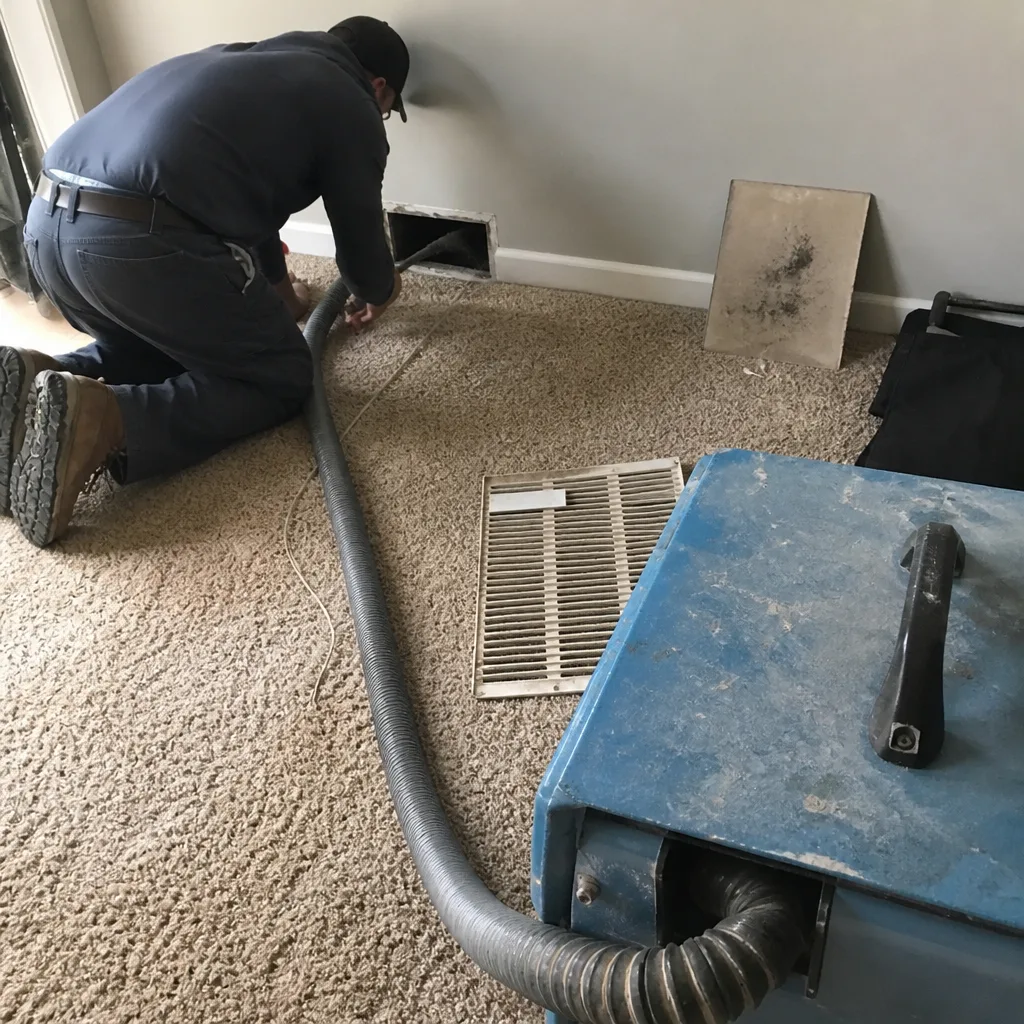 Before
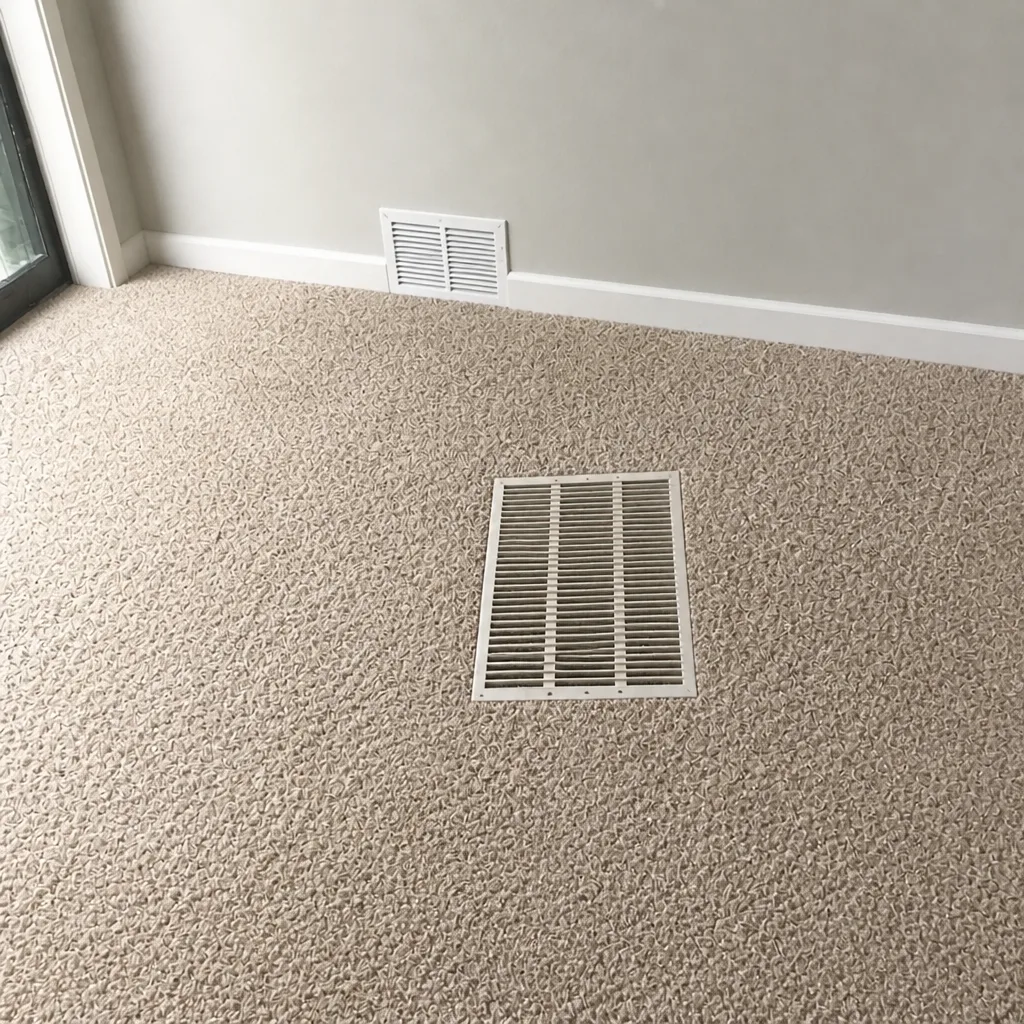 After
When to Call a Professional
Call us when water has reached the ducts, when smoke or soot has entered the air stream, when the system can’t be run safely after a storm, or when a basement or crawlspace has flooded above the duct runs. Call when a post-storm walk-through shows a crushed roof vent, a separated flex run, or a register producing weak air on one side of the house. Call when an ice storm has left you with a system that shut down for reasons you can’t identify. Call when a flood claim needs documentation before cleanup starts.
For anything that can wait a day or two, a free estimate is the right next step. Duct Cleaning Clarksville offers free estimates in Clarksville. Call (833) 519-7736. We answer 24/7. Fast dispatch from 7am to 7pm, Sunday through Friday.
Frequently Asked Questions
Not automatically. The emergency is a damaged or contaminated duct system, not the tornado itself. If the system has a separated duct, standing water, or debris inside, call before restarting the HVAC. If the ducts look intact and nothing got wet, a scheduled inspection is fine.
MERV 13 provides meaningful smoke particle filtration for a residential system. Higher ratings capture more, but only if the filter cabinet and duct system can handle the added pressure without straining the blower. Check the cabinet rating before you upgrade.
Not always, but you need an inspection before the system runs again. Flex duct and internally lined sheet metal that took on flood water usually needs to be replaced rather than cleaned. Bare sheet metal with external insulation sometimes can be cleaned and dried.
The most likely cause is a leaky return duct pulling outdoor air into the system. A MERV 13 filter helps, but the leaks are the source. A return-side inspection during a smoke-free week is the way to find them. Call (833) 519-7736 for an exact quote. Estimates are free.
Two things. A fresh air intake can freeze over and starve a gas appliance of combustion air, and a cold house reheated quickly gets condensation inside the ducts. Both are worth an inspection, especially if you smell moisture afterward.
Usually because the equipment is a shop vac with a hose, or the price covers a “surface” clean that doesn’t reach the far end of the runs. A real clean uses professional source-removal equipment like Rotobrush or Nikro systems and takes longer. Ask what equipment they use before you book.
Ask for before-and-after photos of your own ducts, not stock images. We provide them on every job. You should also see the collection unit at the end of the work. Call (833) 519-7736 for an exact quote. Estimates are free.
Every few years under normal conditions, and after any event that introduces water, smoke, soot, or heavy particulate into the system. Post-renovation, post-flood, and post-wildfire-smoke cleanings are event-driven, not calendar-driven. Beyond that, have it inspected if you notice a musty smell or uneven airflow.
The Bottom Line
Most duct emergencies in Clarksville come from weather events that are predictable. Ice storms, straight-line wind, tornadoes, and regional wildfire smoke all reach the area, and each one produces a specific type of duct problem with its own response. The difference between a bad week and a real disaster is usually the first hour: shut the system off when it needs to be off, run it with a real filter when it needs to be on, photograph everything you can reach, and call before the damage spreads. The preparedness checklist takes an afternoon. It’s worth doing once a year, before storm season, so when the next warning comes across the phone, the decisions are already made.
Duct Cleaning Clarksville handles air duct cleaning, dryer vent cleaning, and air duct repair as three services under one roof. We use professional Rotobrush and Nikro equipment, work with Honeywell and Aprilaire filtration systems, and offer free estimates. Call (833) 519-7736. We answer 24/7. Fast dispatch from 7am to 7pm, Sunday through Friday.
Written by the team at Duct Cleaning Clarksville.