
Last updated November 15, 2026
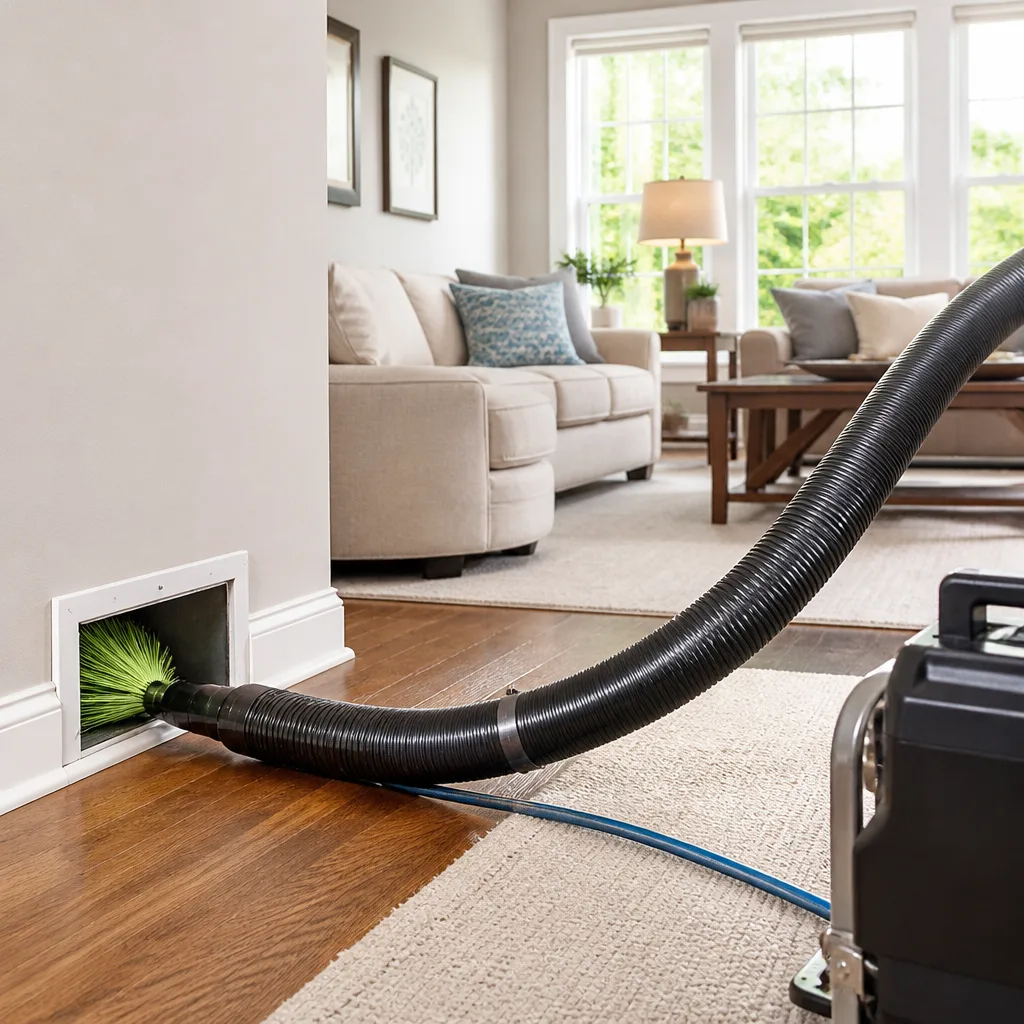 Whole-home duct cleaning
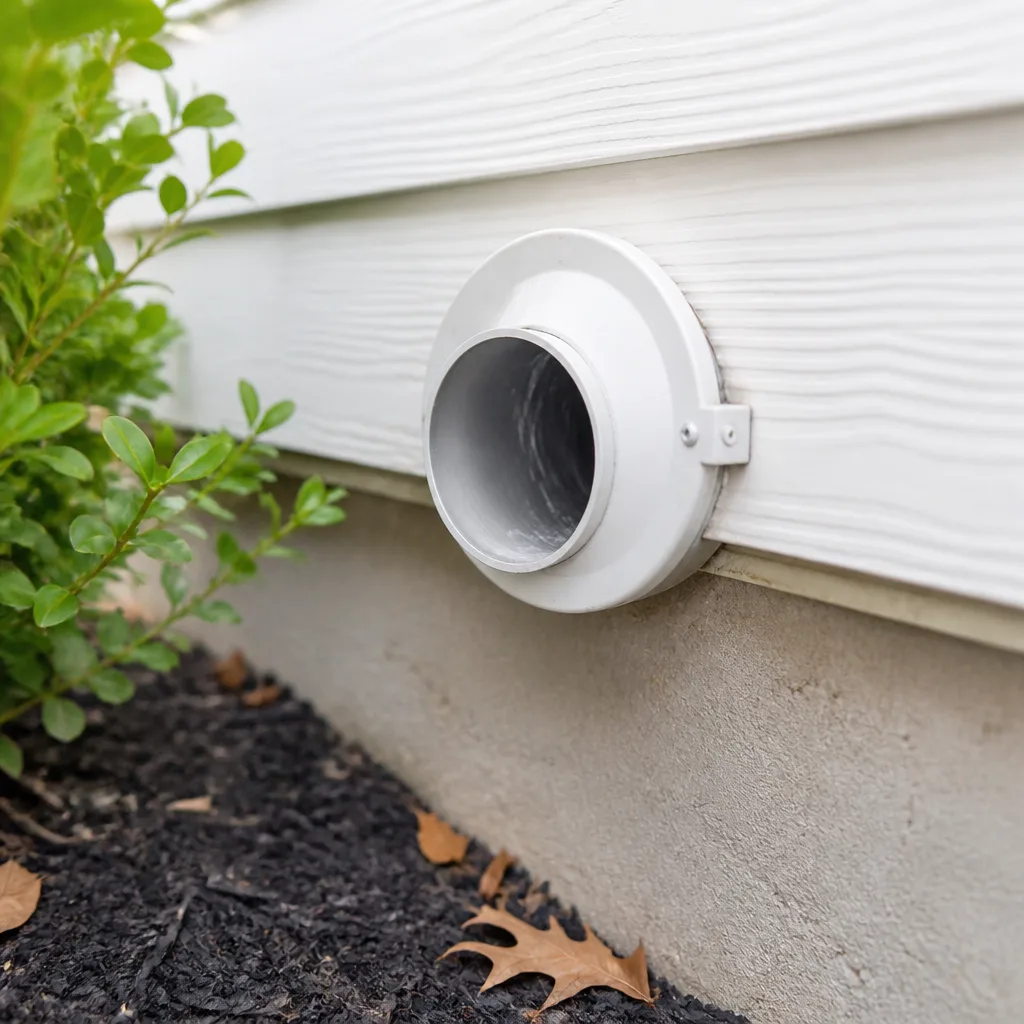 Dryer vent cleaning
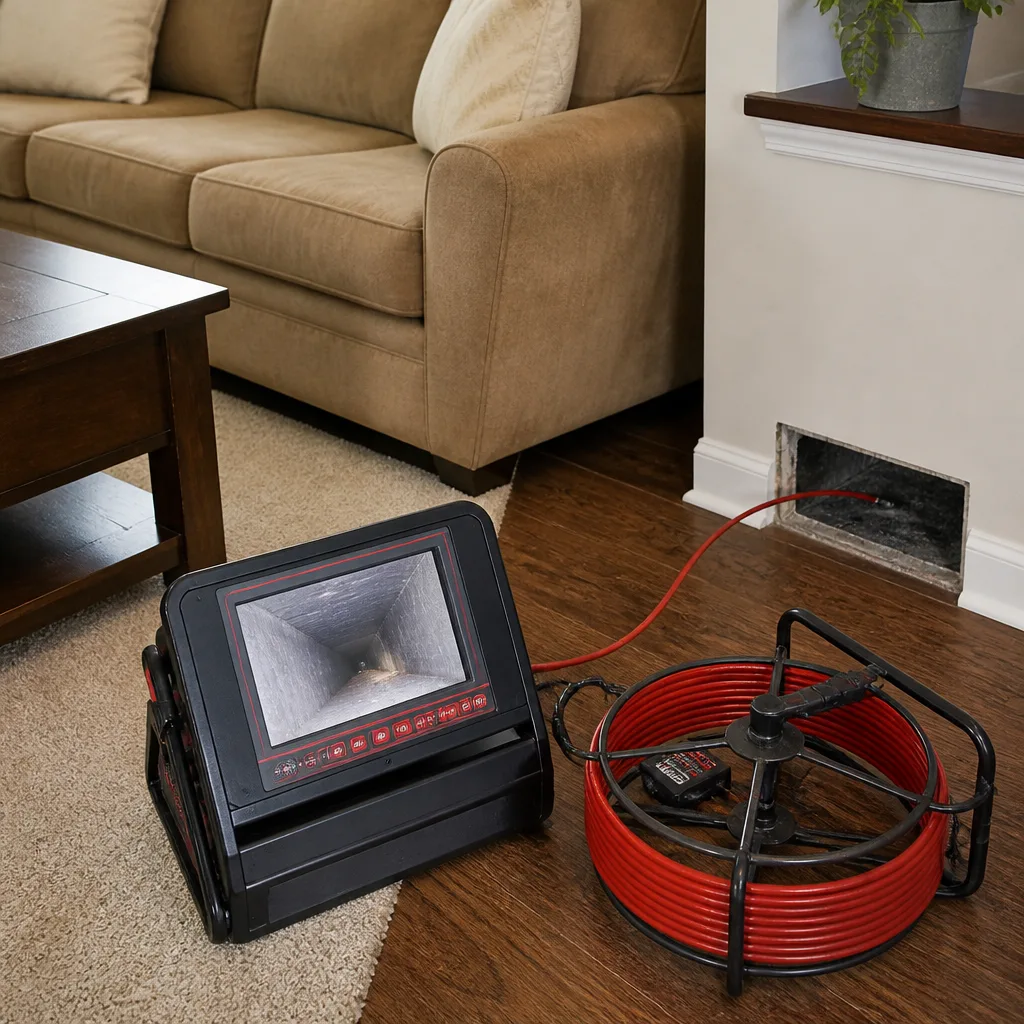 Camera inspection
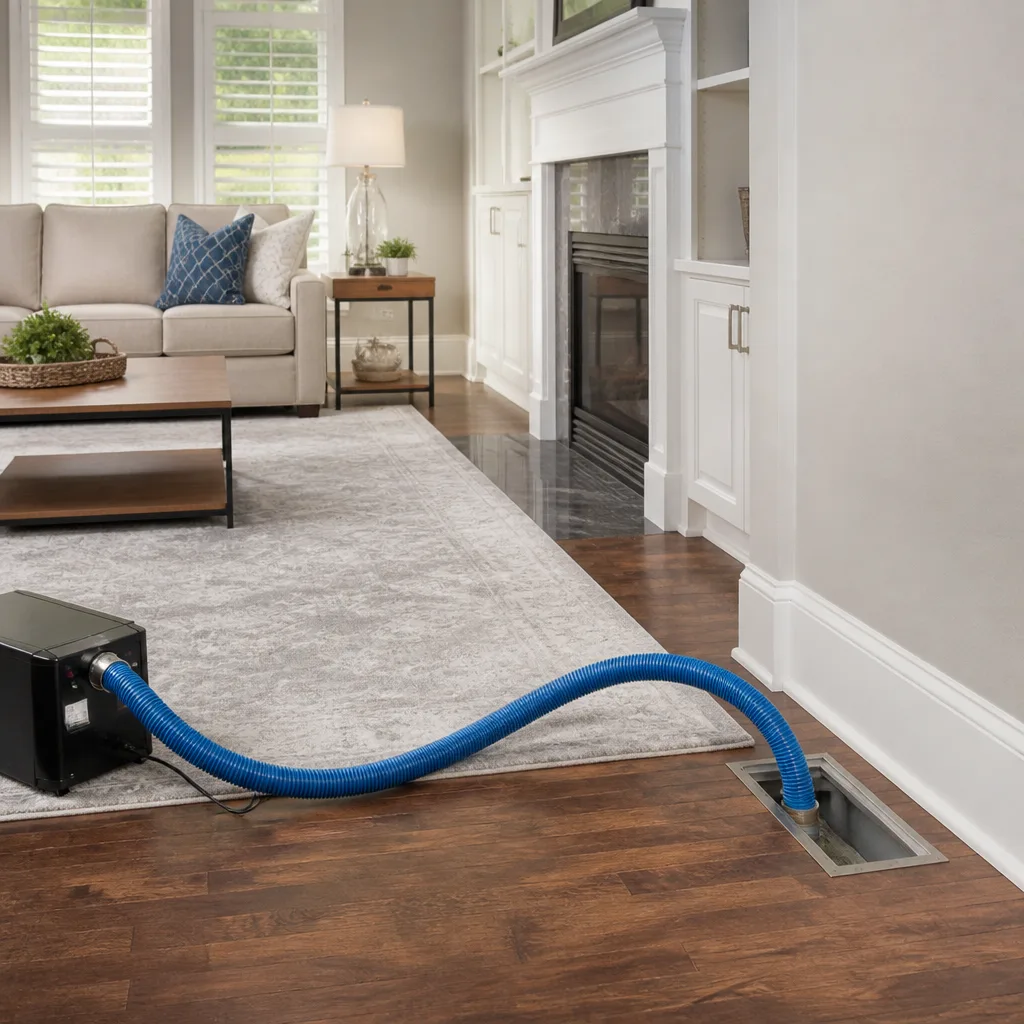 Sanitizing & deodorizing
Whole-system duct and dryer vent check with before-and-after photos - you see exactly what came out of your vents
That "$99 whole-house special" is a bait ad - the real number appears once they are in your hallway, or the "clean" is a shop-vac at the register. We photograph the inside of your ducts before and after instead.
Choosing the Right Air Duct Cleaning Brand: A Buyer’s Guide for Clarksville
The name on the side of the truck tells you almost nothing about what’s inside it. That’s the part most Clarksville homeowners get wrong. In this market, the companies cleaning residential ductwork range from one-truck owner-operators to franchise vans belonging to a national brand, and the franchise vans frequently belong to a local crew that bought into the name. The franchisor doesn’t own the machine, doesn’t set the brush speed, and often doesn’t know what equipment shows up at your door. So “choosing a brand” here really means something more useful: learning to read equipment and process credentials in about ten minutes of asking the right questions. This guide shows you exactly how.
Quick Answer
Choosing the right air duct cleaning brand in Clarksville means checking the equipment, the process, and the accountability behind the name, not the logo itself. Ask whether they use a truck-mounted or portable professional system, whether they run a rotary brush or air-whip tool, whether they carry a camera for before-and-after documentation, and whether they’ll put the scope of work in writing before starting. The answers tell you more than any brand name will.
Styles & brands we work with
- Whole-home duct cleaning
- Dryer vent cleaning
- Camera inspection
- Sanitizing & deodorizing
Table of Contents
- The Clarksville Landscape: Franchise Vans vs. Independent Operators
- Equipment Credentials That Matter More Than Brand Name
- How to Verify NADCA Membership the Right Way
- What a Pre-Job Walkthrough Reveals About Process Discipline
- What Legitimate Reviews for Duct Cleaning Companies Should Say
- Why Clarksville’s Climate and Housing Stock Make Duct Condition Matter More
- Matching the Service to the Problem: Cleaning, Repair, or Air Quality
- A Step-by-Step Checklist for Vetting Any Duct Cleaning Company
The Clarksville Landscape: Franchise Vans vs. Independent Operators
Clarksville’s duct cleaning market doesn’t look like a city with a dominant brand. It looks like a lot of small operators, a handful of franchise vans, and plenty of crossover from general HVAC contractors who add duct cleaning as a line item. That matters because the accountability structure is different in each case.
A national franchise sells territory rights. The person who bought the Clarksville territory hires or contracts crews, and their equipment is whatever that owner purchased. Some franchise owners invest in professional systems. Others run a basic vacuum and a whip tool because the franchise fee already ate the capital budget. The brand on the van is a marketing license, not a quality guarantee, and the franchisor has no way to enforce equipment standards on a job site two states away.
Independent operators in Clarksville have the opposite problem and the opposite strength. Nobody hands them a recognized name, so they have to earn repeat business on the work itself. If an independent duct cleaner in Clarksville cuts corners, the phone stops ringing. That pressure often produces better equipment discipline than a franchise royalty structure does. The catch is that it also produces more variation, which is why vetting matters more here than it would in a market dominated by one big name.
Here’s how the landscape tends to break down:
- One-truck independents: Often the owner is the technician. Equipment quality varies from professional to barely adequate. Ask directly what machine they run.
- Franchise vans: The name is consistent; the crew and equipment usually aren’t. The local franchisee decides what gets bought.
- HVAC contractors adding duct work: Strong on repair and mechanical knowledge, sometimes thinner on dedicated cleaning equipment because it isn’t their core service.
- Full-system indoor-air specialists: Clean, repair, and address filtration together. This is the model that fits homes with older ductwork, allergy concerns, or post-renovation dust.
None of these categories is automatically better. What you’re looking for is a company that can speak specifically about its equipment and process, because that’s the only reliable signal in a market this fragmented.
Equipment Credentials That Matter More Than Brand Name
The single most useful question you can ask a duct cleaning company is what machine they’ll bring into your house. A professional setup has three components: a high-volume vacuum source, an agitation tool that actually loosens debris from duct walls, and a way to document the result. Most complaints about duct cleaning come from jobs that skipped one of those three.
Truck-mount vs. portable unit
Truck-mounted vacuums deliver far more suction than portable units, and suction is what keeps loosened debris moving toward the collection point instead of settling back into your ductwork or drifting into your living space. Portable units still have a place, particularly in tight crawlspaces, multi-story homes, and light-commercial spaces where running hose from a truck isn’t practical. What matters is that the company uses the right tool for the layout rather than defaulting to one machine for everything. Ask which setup they plan for your home and why.
Rotary brush vs. air-whip
These are the two main agitation tools, and they behave differently. A rotary brush system like the Rotobrush line physically contacts duct walls with spinning bristles, which is what you want in rigid metal ductwork with caked-on debris. Air-whip tools use compressed air to blast material loose and work well in flexible duct and complex runs where a brush can’t safely travel. A company that owns and understands both, and can explain which they’d use in your specific system, has thought about this. A company that only has one and calls it universal hasn’t.
Camera inspection
Camera systems are the difference between a claim and evidence. A technician who can push a camera through the trunk line and show you what it looks like before and after isn’t relying on your trust alone. In Clarksville homes where the ductwork has been sealed up for years, this is also how a company discovers a disconnected run or a crushed flex section that needs repair.
At Duct Cleaning Clarksville we run Rotobrush and Nikro professional systems, and we pair cleaning with air duct cleaning that includes before-and-after documentation of your own ducts so you see what changed. Equipment brands matter less than whether the technician can explain them, but they’re a fair proxy for whether a company invested in doing this properly.
How to Verify NADCA Membership the Right Way
A NADCA logo on a website or truck door proves that someone knows how to make a graphic. Verifying membership directly on the NADCA website proves that a company actually belongs. The gap between those two things is wide enough to matter in a market this fragmented.
NADCA, the National Air Duct Cleaners Association, sets the industry’s technical standards for duct cleaning, including the assessment, cleaning, and restoration process that reputable companies follow. Membership isn’t the same as certification, and neither one guarantees a good job, but they’re meaningful signals that a company has committed to a defined process and continuing education rather than showing up with a shop vac and a promise.
Here’s how to check, and it takes about two minutes:
- Open the NADCA website directly in your browser rather than clicking a logo on the company’s site.
- Use the member lookup or find-a-professional search tool, entering the company name and your city.
- Confirm the company appears with the correct location and status, not a similarly named business elsewhere.
- If the company claims individual certifications rather than membership, ask for the name and certification level of the technician who will actually be in your home, then look that up.
- Ask the company directly which standards they follow during a job. A real answer references specific steps like containment and negative pressure. A vague answer doesn’t.
While we’re on logos: the same test applies to any trade association badge. Look for evidence a company belongs to an organization, not that it knows how to place a badge file on a web page. If a company’s membership can’t be verified independently, weigh the rest of their credentials accordingly and don’t let the badge substitute for asking about equipment.
What a Pre-Job Walkthrough Reveals About Process Discipline
A company’s willingness to walk your home with you before touching a single register is one of the most honest signals available. Duct cleaning isn’t a uniform service. Two houses on the same Clarksville street can have entirely different duct layouts, materials, and access limitations. A crew that quotes over the phone and starts work without looking is guessing, and a guess is how you end up paying for work that didn’t address your actual system.
During a walkthrough, a disciplined technician does several things:
- Counts and inspects the supply and return registers, and confirms each one will be covered or removed during the job.
- Checks the air handler and the furnace filter, because dirty ducts and a neglected filter are related problems.
- Looks at the duct material in each run, since rigid metal, flex, and duct board each need different handling.
- Locates any obvious problems, like disconnected runs, crushed sections, or excess debris at the boots.
- Explains the scope in plain terms before starting, and puts it in writing.
A written scope of work is the part to insist on. It should name what’s being cleaned, what’s excluded, how many registers and returns are involved, and whether any repair is needed before cleaning makes sense. If a company hesitates to put that in writing, the hesitation itself is the answer. We’ve found that homeowners who’ve been burned by a previous job almost always skipped this step.
When a walkthrough turns up a disconnected or damaged run, repair becomes part of the conversation. That’s why we pair cleaning with Clarksville duct repair, since fixing a duct problem after cleaning is far cheaper than cleaning a system that then pulls dust straight back in through a gap.
What Legitimate Reviews for Duct Cleaning Companies Should Say
“Great service, highly recommend” tells you a company was pleasant. It tells you nothing about whether they did the work well. In a service where the evidence largely disappears into the attic the moment the crew leaves, specific reviews are the only reviews worth trusting. Learn to read for them.
Useful reviews for duct cleaning companies tend to mention concrete things. Look for reviewers who name the equipment or process, who mention before-and-after photos or a camera walkthrough, who describe the technician explaining something they hadn’t understood, or who note that the company found and fixed a problem rather than just cleaning around it. Those details are hard to write convincingly unless they happened.
Here’s what to scan for when you’re reading:
- Specific equipment or process mentions: a reviewer who says the technician showed them the brush system or the camera footage is describing a real experience.
- Documentation detail: references to photos, a written scope, or a walkthrough before the job started.
- Problem discovery: a review noting that the company identified a disconnected duct, a clogged dryer vent, or a filtration issue is a strong positive signal.
- Repair capability: a single company handling both cleaning and repair, without a second contractor, shows up in reviews when it happened.
- Consistency over time: a pattern of detail-rich reviews is more credible than a burst of short five-star ones.
Be just as alert to red flags. Reviews that mention only price usually came from price-driven jobs, which is how bait-and-switch complaints start. Reviews describing a crew that cleaned for fifteen minutes and left tell you the equipment was likely a shop vac. And when you talk with the company yourself, ask what a typical job includes. If their answer doesn’t match the detail in their reviews, trust the answer.
Why Clarksville’s Climate and Housing Stock Make Duct Condition Matter More
Clarksville sits in a climate with real seasonal swings, hot and humid summers and cold winters. That matters for ductwork in a way it wouldn’t in a mild coastal city. The air conditioning runs hard for months, which means the ducts carry high volumes of cooled, condensation-prone air through spaces that aren’t conditioned themselves. Attics and crawlspaces in this region get warm and damp, and that combination is friendly to dust, mold spores, and debris accumulation inside duct runs.
Clarksville also has a large share of older housing mixed with newer subdivisions. Older homes often have original ductwork that’s had decades to accumulate debris, and sometimes has flexible runs that were added during a renovation without being properly sealed or supported. Newer construction tends to have more efficient equipment, which paradoxically makes duct condition more relevant: a well-sealed, well-filtered system can be undermined by a return that’s pulling dust from a dirty crawlspace.
Where this connects to your decision: a company that understands ductwork in a humid climate knows that cleaning isn’t the whole job. Sealing, filtration, and repair often matter as much as the cleaning itself. Ask a Clarksville company how they handle moisture and filtration in a house like yours. The answer separates a company that cleans ducts from one that understands air systems.
Matching the Service to the Problem: Cleaning, Repair, or Air Quality
Most homeowners call about duct cleaning and actually need one of three things. A good company will tell you which, and won’t sell cleaning when the real problem is a disconnected run or a filter that’s been ignored for a year. Here’s how to sort out which service you’re actually looking at.
Cleaning is the right call when the ductwork is intact but loaded with debris, whether from years of accumulation, a recent renovation, or pets. It’s also the baseline before any other air quality work. If the system has never been cleaned and the house is older, start here.
Repair is the right call when something is physically wrong: a crushed flex run, a disconnected boot, a leaking joint, or ductwork that’s been chewed or torn. Cleaning around a broken duct sends conditioned air into the attic and pulls dust into the living space. This is where a company’s range matters. Most single-service duct cleaners in Clarksville can’t repair, which means you hire a second contractor. Every additional trade is another schedule and another bill. We handle both cleaning and air duct repair together, and we do it on the same visit when that’s what the job calls for.
Air quality work is the right call when duct condition is affecting filtration and indoor air. That’s where familiarity with systems like Honeywell and Aprilaire comes in. Whole-home filtration depends on ductwork being clean and sealed; if a filter system is installed on a duct run that’s leaking or dirty, it can’t do its job. For homes dealing with allergies or elevated contamination, Abatement Technologies equipment and brand familiarity with filtration systems make the assessment more useful. It’s also worth knowing that dryer vent cleaning, while technically separate from ductwork, is a fire-safety service with the same professional approach as the rest of the work.
A Step-by-Step Checklist for Vetting Any Duct Cleaning Company
This is the part to screenshot. If you only take one thing from this guide, take this checklist and work through it for every company you’re considering in Clarksville.
- Ask what equipment they’ll bring. Truck-mounted or portable, rotary brush or air-whip, and whether they carry a camera. Vague answers are a signal.
- Ask which agitation tool they’ll use in your duct material. A company that can name the system and explain why is one that knows the trade.
- Verify their NADCA status on the NADCA site directly. Do this yourself rather than trusting a logo.
- Ask for a pre-job walkthrough. Confirm they’ll inspect the system before quoting a scope, not after.
- Insist on a written scope of work. It should name what’s cleaned, what’s excluded, and any repair needed.
- Ask about repair capability. If they can’t repair a disconnected run, you’ll be hiring someone else.
- Ask about documentation. Before-and-after photos of your own ducts are fair to request.
- Read reviews for specificity, not enthusiasm. Look for equipment mentions, camera references, and problem discovery.
- Ask about filtration familiarity. A company that knows Honeywell, Aprilaire, or Abatement systems can speak to whole-home air quality.
- Confirm the estimate is free and written. The written estimate should set the final price, so there are no surprises.
Work through those ten questions and the choice becomes much clearer. The company that answers all of them without hesitation is the one worth your time. The one that gets vague at question one or two is telling you something useful.
Common Mistakes to Avoid
- Trusting the truck door. A franchise logo doesn’t tell you what machine is inside, and in Clarksville the local franchisee usually bought the equipment themselves. Ask about the machine, not the brand.
- Clicking the NADCA logo instead of verifying it. Any website can display a badge file. Verify membership independently on the NADCA site and confirm the company appears in the right location.
- Booking a quote over the phone. A company that quotes without walking your duct system is guessing. Ask for a walkthrough first.
- Skipping the written scope. Without it, you have no way to know what was promised. This is where most bait-and-switch complaints originate.
- Choosing on price alone. The lowest quote usually means a smaller machine, a shorter visit, or both. Equipment costs money, and so does time.
- Ignoring repair capability. If a company can’t fix a disconnected duct it finds during the walkthrough, the cleaning can’t solve the air quality problem. Ask upfront.
- Treating the dryer vent as an afterthought. It’s a fire-safety item, not a cleaning add-on. Ask whether it’s a dedicated service or an upsell.
See the difference
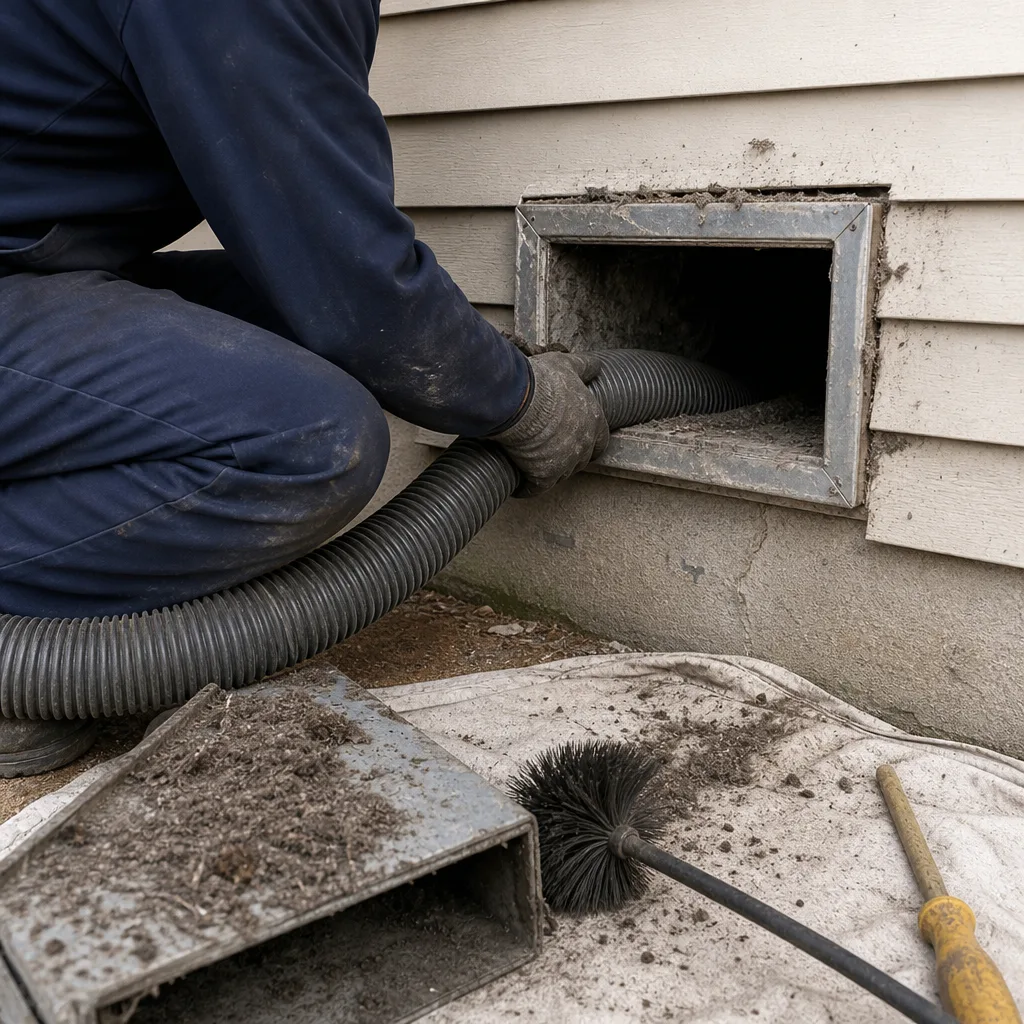 Before
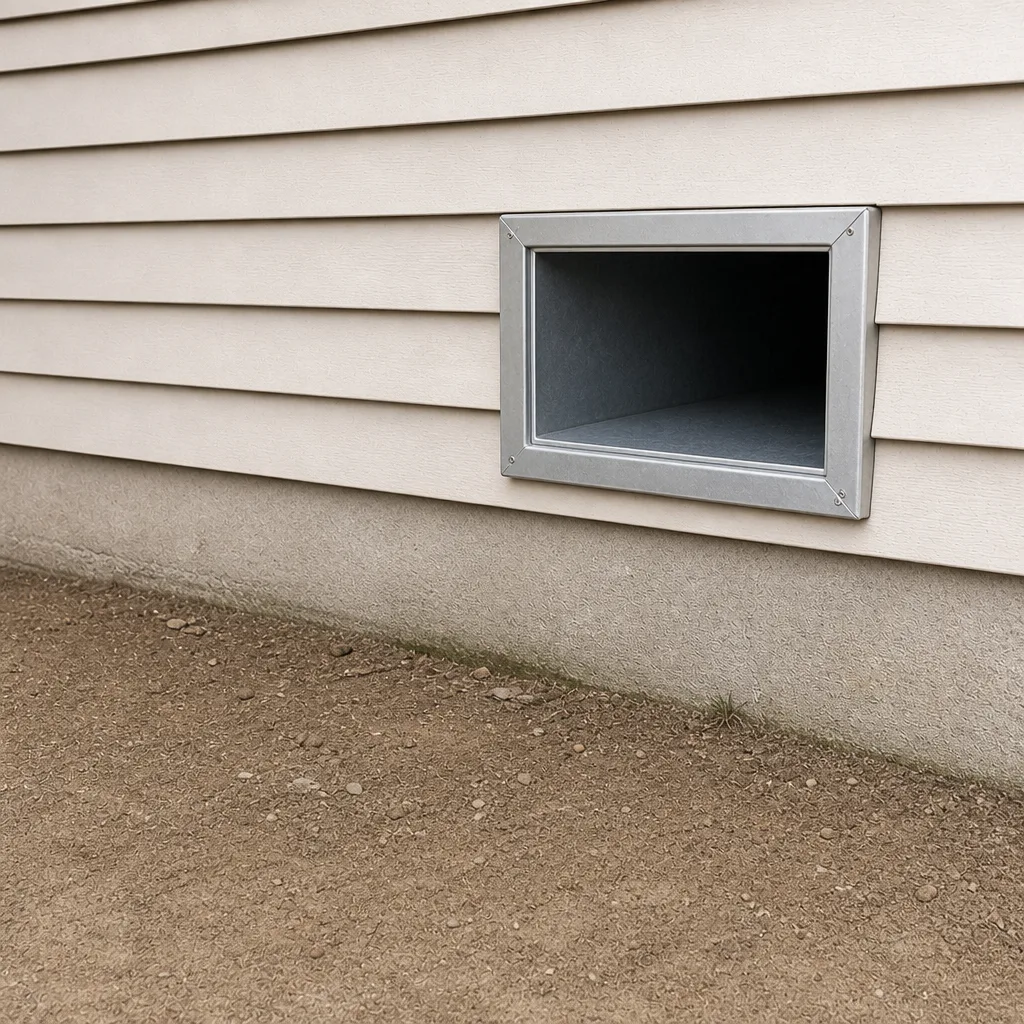 After
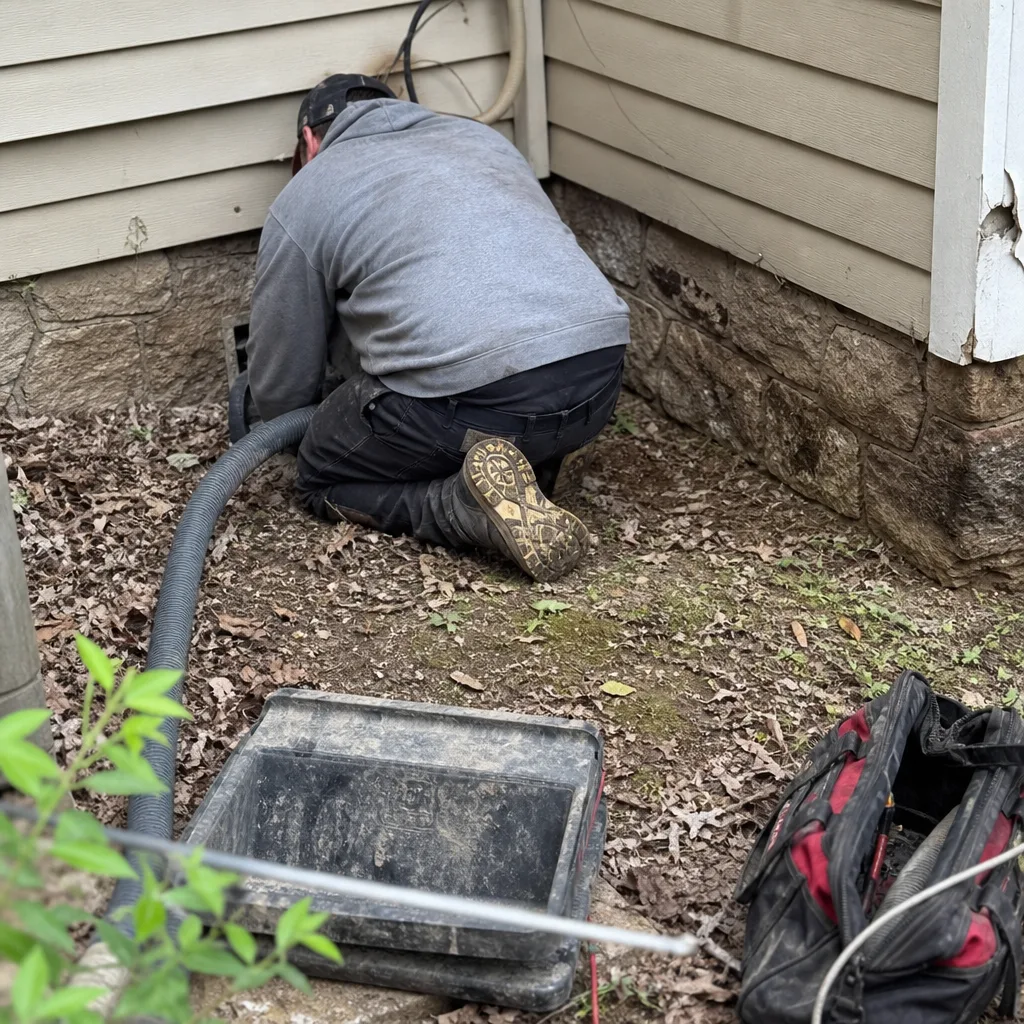 Before
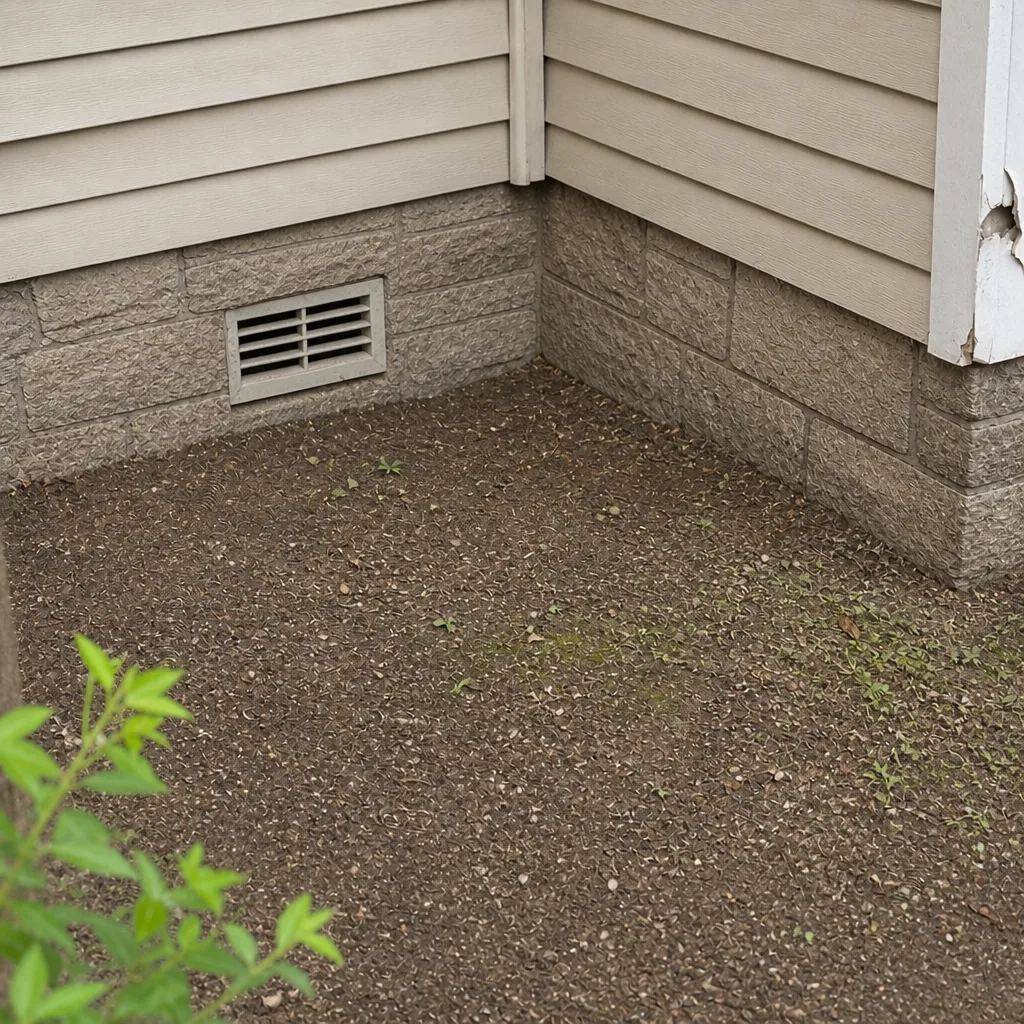 After
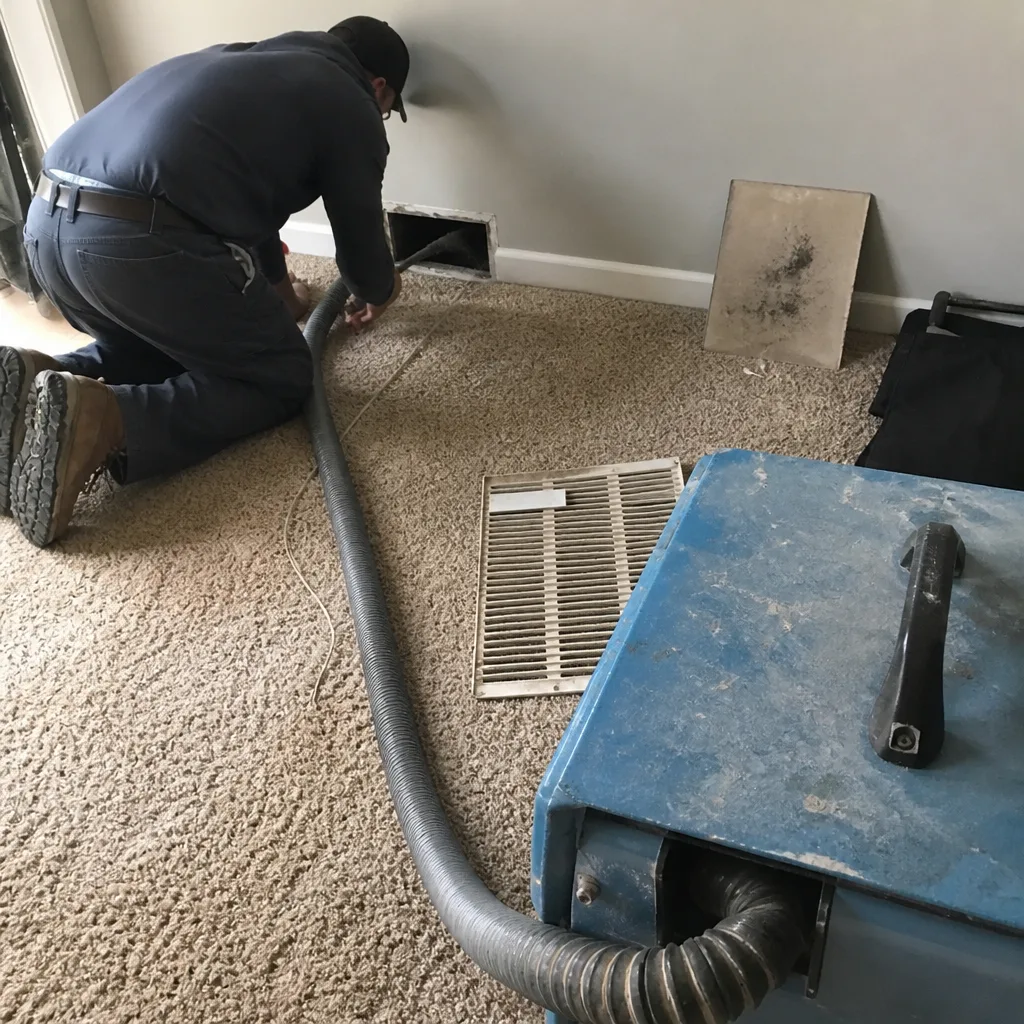 Before
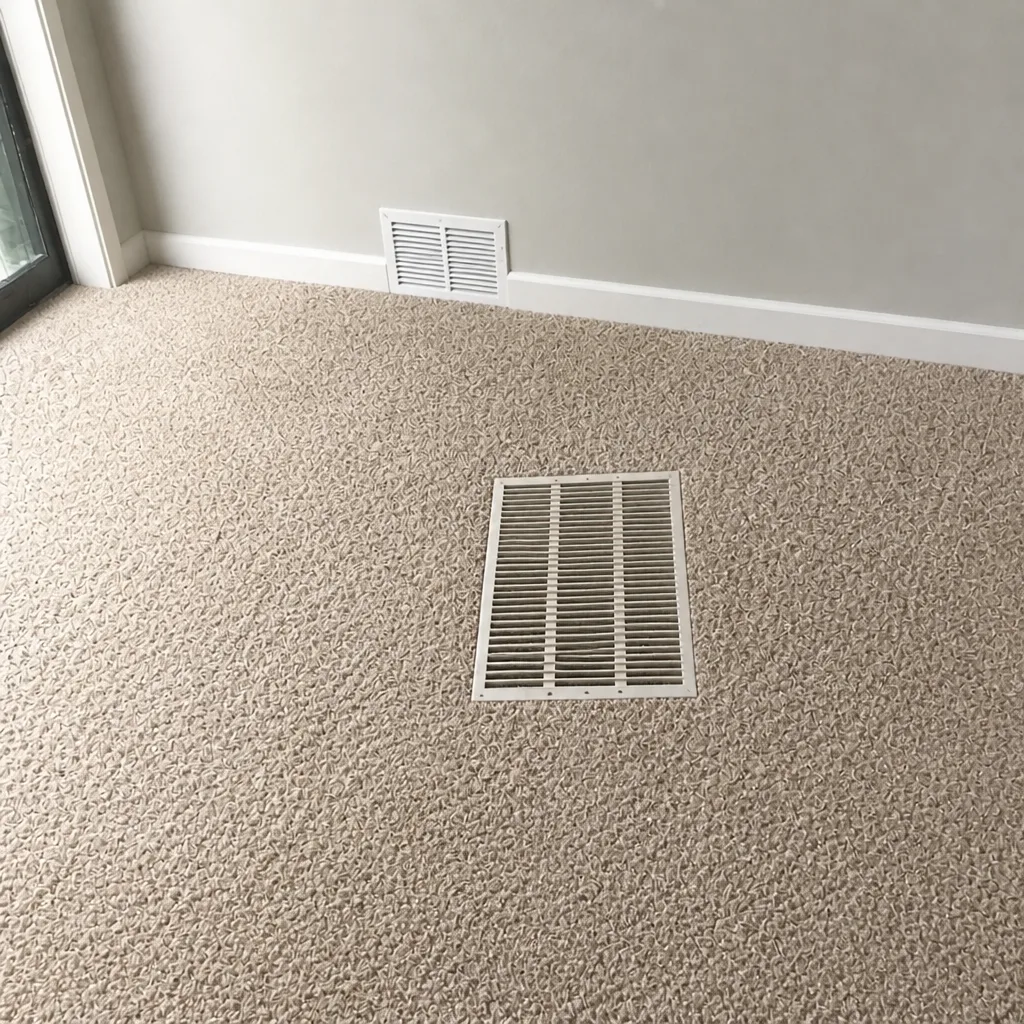 After
When to Call a Professional
You should call a professional when you can see debris at the registers, when the house has been renovated and dust keeps settling on surfaces, when a family member has persistent allergy symptoms that don’t improve with filtration changes, or when the ductwork has never been cleaned and the home is older. You should also call if the dryer is taking longer than it used to and the lint trap is clear, since that’s the classic sign of a clogged vent. These are not jobs for a shop vac and a rented brush. Duct cleaning and dryer vent work involve confined spaces, moving debris, and mechanical risk that a trained technician is set up to handle safely.
Duct Cleaning Clarksville offers free estimates in Clarksville. Our technicians have up to 13 years of experience, we use professional-grade Rotobrush and Nikro equipment, and one flat price per system is set by the written estimate before work begins. Call (833) 519-7736. We answer 24/7. Fast dispatch from 7am to 7pm, Sunday through Friday.
Frequently Asked Questions
Open the NADCA website directly and use its member lookup tool, entering the company name and Clarksville. Don’t click a logo on the company’s site to get there. If the company claims certified technicians, ask for the technician’s name and certification level and look it up on the same site. Call (833) 519-7736 for an exact quote from us, since estimates are free.
A much lower quote usually means less equipment and less time. A shop vac and a whip tool cost a fraction of a truck-mounted system and a rotary brush, so a company running consumer-grade gear can quote low and still profit. The job may not remove debris from the full system, which is why the cheap quote and the thorough quote aren’t really the same service. We set one flat price per system by written estimate before work starts.
A professional setup includes a high-volume vacuum source, an agitation tool like a rotary brush or air-whip, and a way to document results, often with a camera. Truck-mounted vacuums deliver more suction than portable units, though portables have their place in tight spaces. Ask which system the company plans for your home and why. Call (833) 519-7736 and we’ll walk you through what we’d use in your system risk-free.
National franchises sell territory rights, and the local franchisee buys the equipment. The franchisor doesn’t control what machine shows up at your house, and some local owners run professional systems while others don’t. The brand is a marketing license, not an equipment standard. Ask what machine they’ll bring and which agitation tool they’ll use, then decide.
Ask for before-and-after photos of your own ducts. That’s the most reliable documentation, and a company that carries camera equipment can provide it. A written scope of work before the job and photos after it together give you a clear record of what changed. Call (833) 519-7736 to schedule an estimate and see our process first.
It should be a dedicated service with the same professional approach as duct work, because a clogged dryer vent is a fire-safety item rather than a routine cleaning. Lint accumulates inside the run, not just at the trap, and a vent that’s taking longer to dry clothes is telling you something. Ask any Clarksville company whether they treat it as a standalone job.
The Bottom Line
Choosing the right air duct cleaning brand in Clarksville comes down to verifying what’s behind the name. The truck door doesn’t tell you what machine is inside, and a franchise logo doesn’t guarantee a local crew invested in professional equipment. Ask about the vacuum, the brush system, the camera, and whether they can repair what the cleaning exposes. Verify NADCA membership on the NADCA site directly. Ask for a walkthrough and a written scope of work before anyone starts, and read reviews for specifics rather than enthusiasm. Do those things and the choice becomes straightforward, because the companies that can answer without hesitation are the ones worth calling back.
Written by the team at Duct Cleaning Clarksville.