
Last updated November 15, 2026
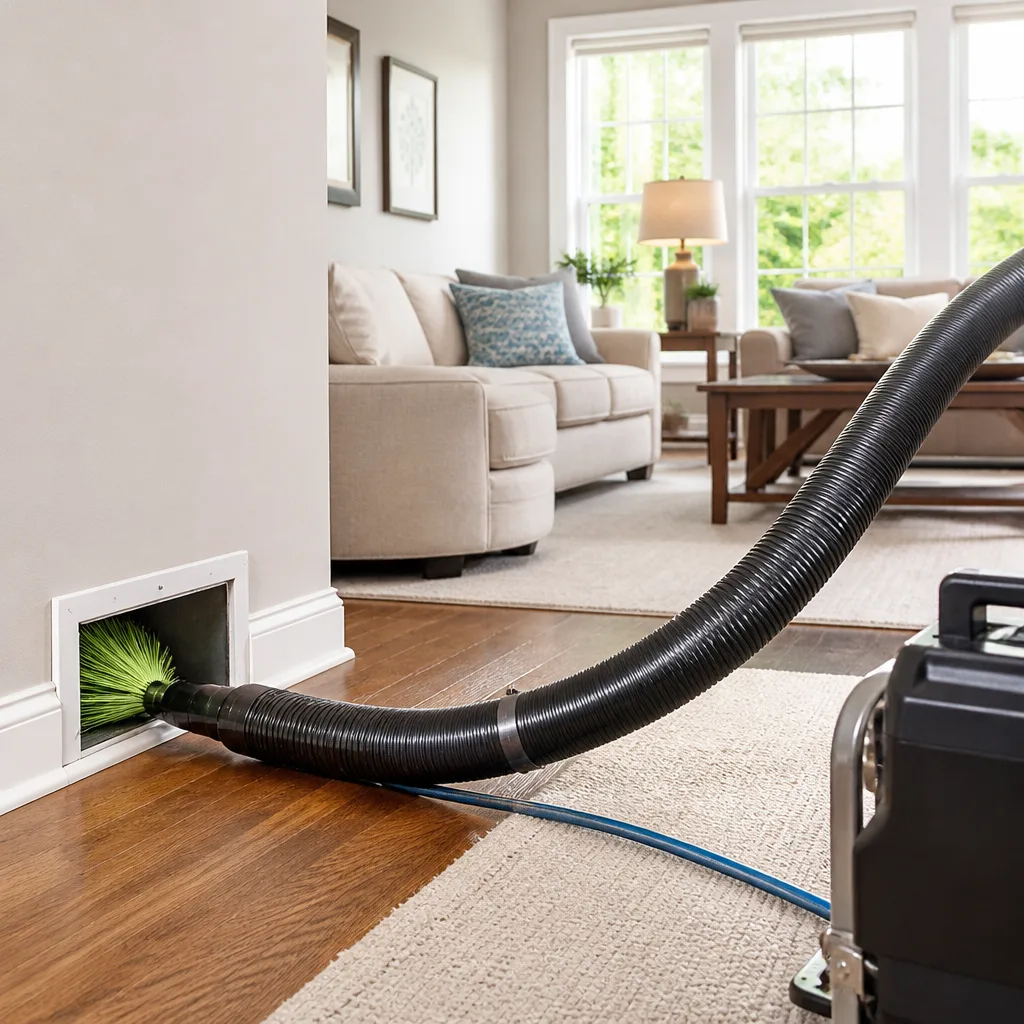 Whole-home duct cleaning
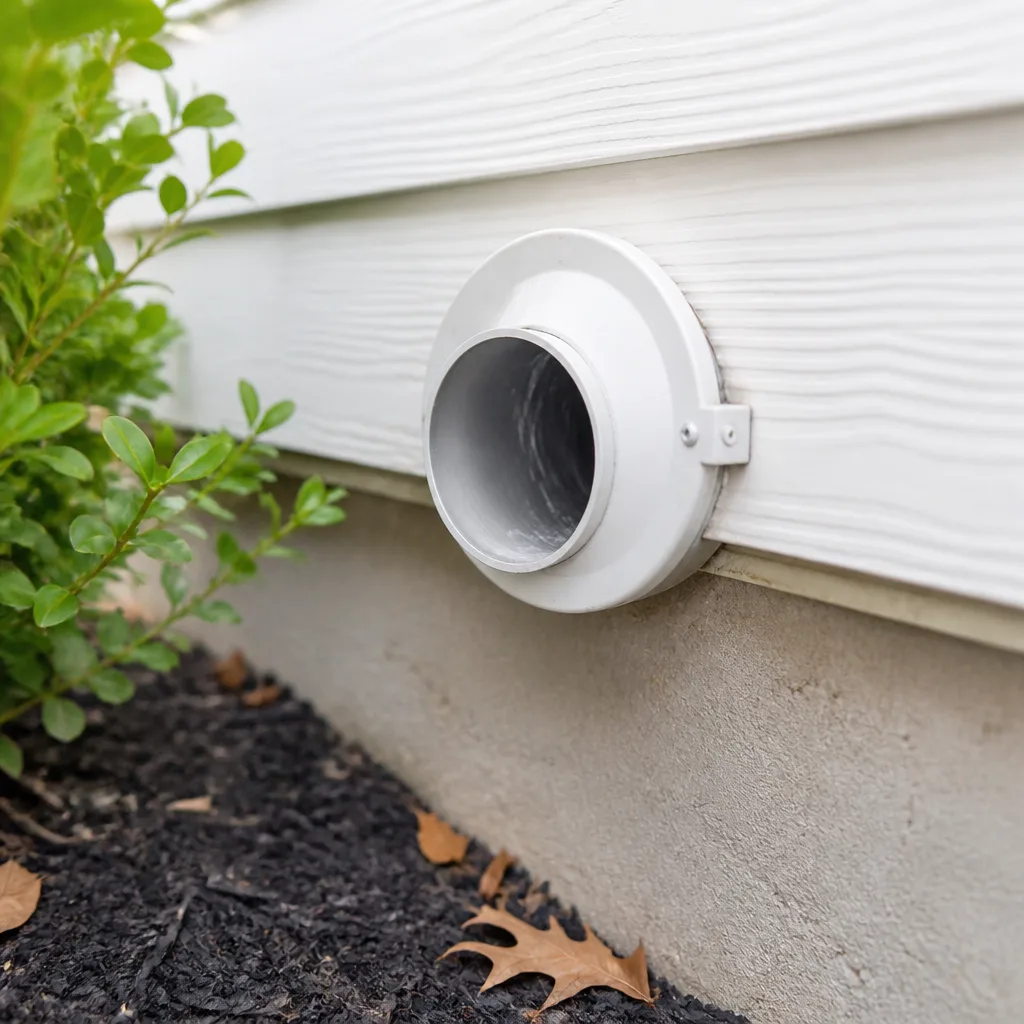 Dryer vent cleaning
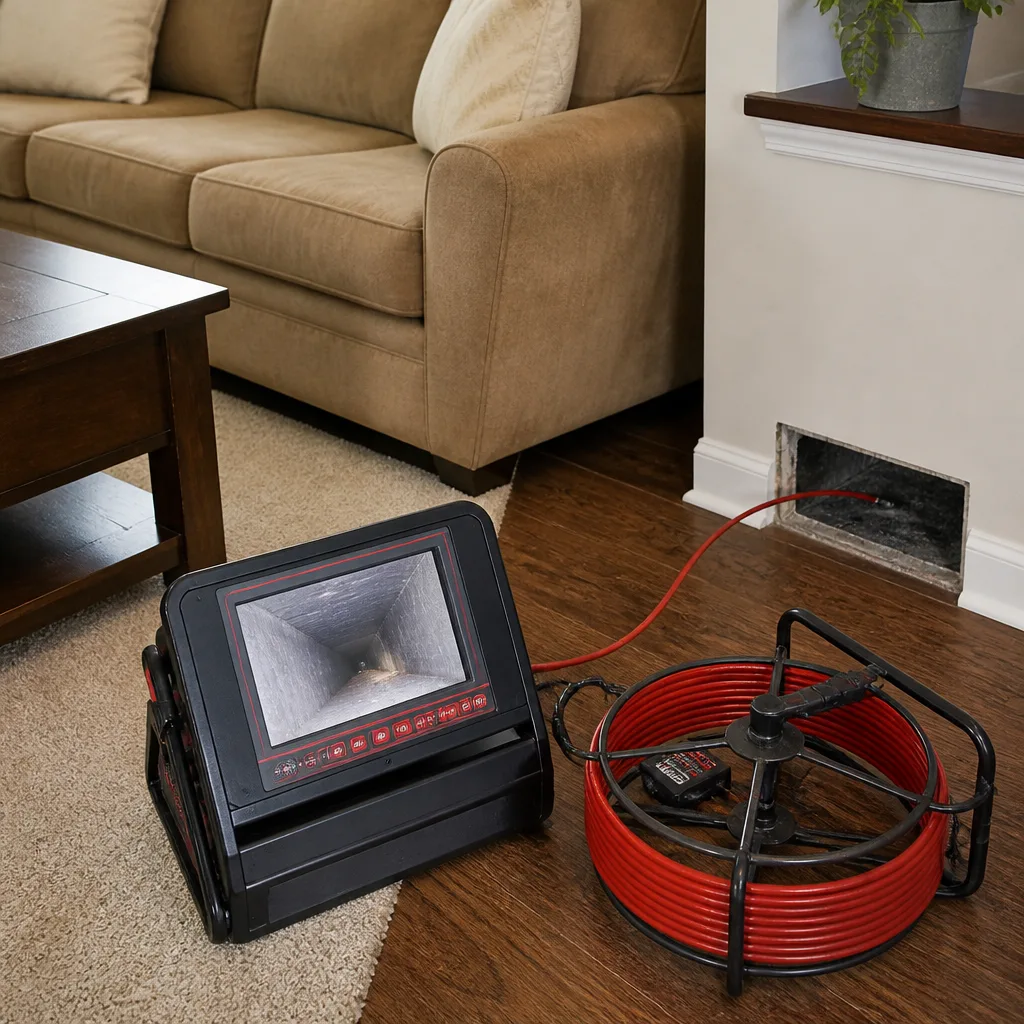 Camera inspection
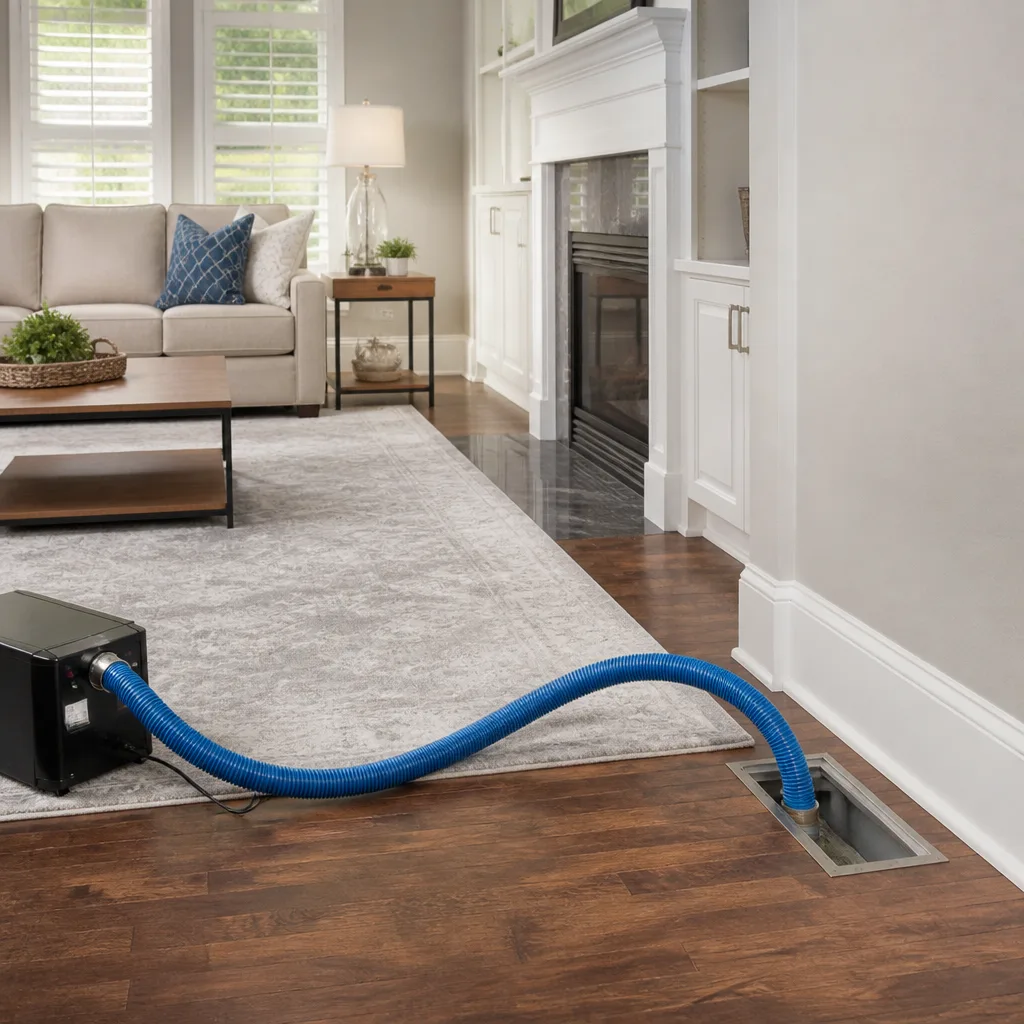 Sanitizing & deodorizing
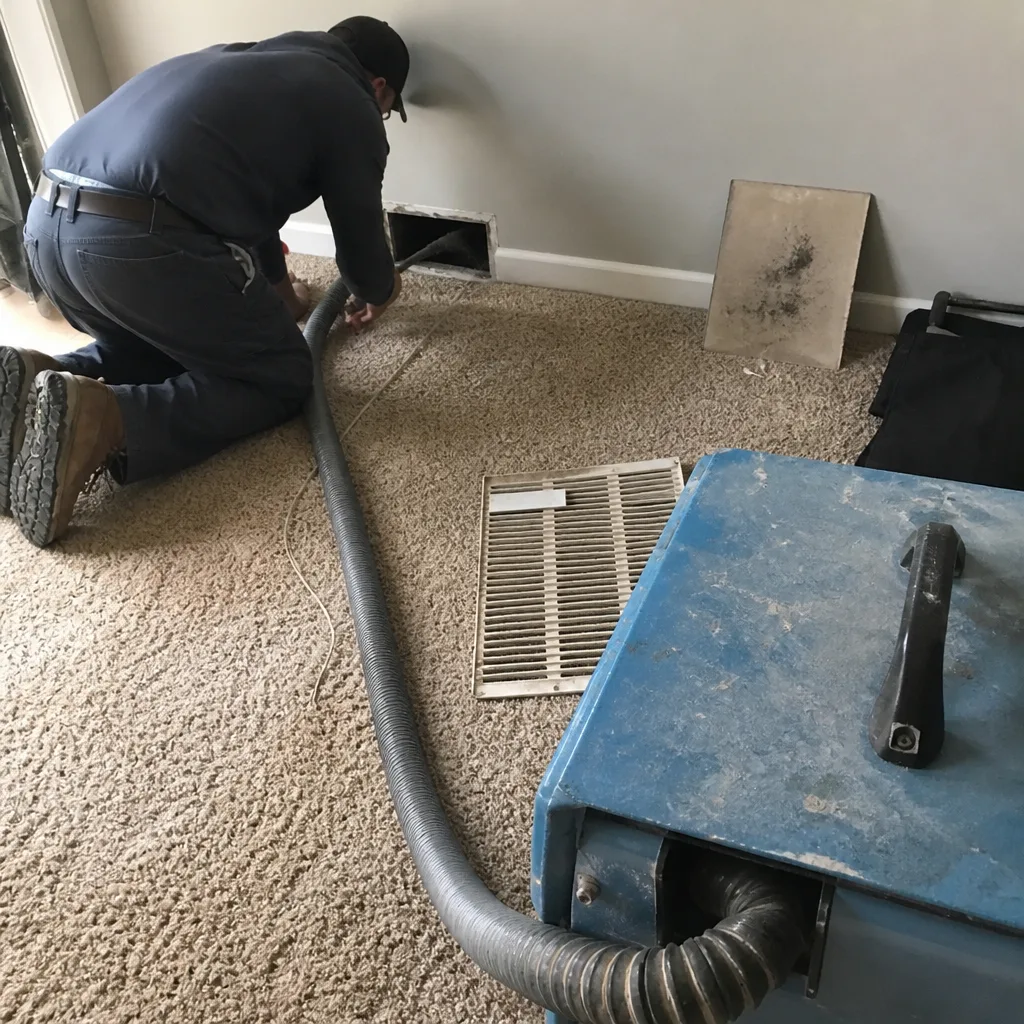
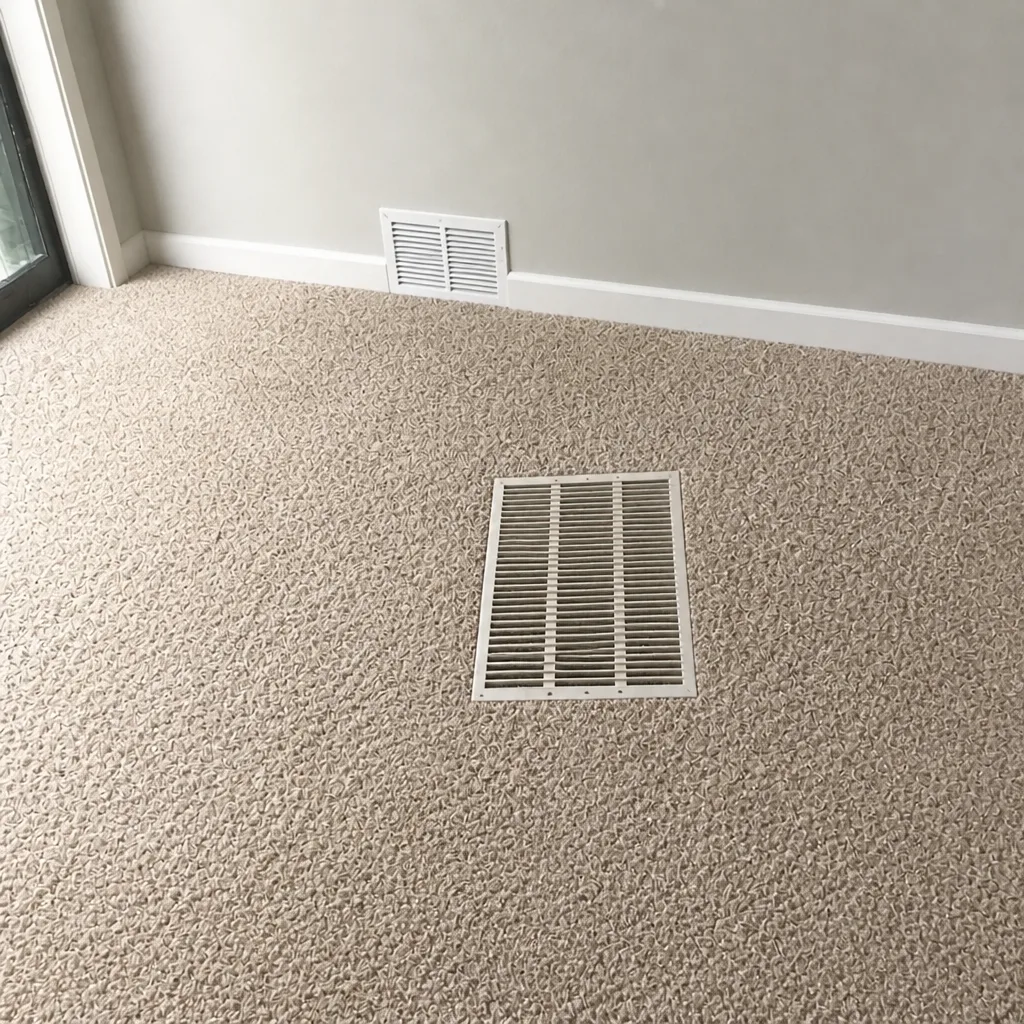
Whole-system duct and dryer vent check with before-and-after photos - you see exactly what came out of your vents
That "$99 whole-house special" is a bait ad - the real number appears once they are in your hallway, or the "clean" is a shop-vac at the register. We photograph the inside of your ducts before and after instead.
Air Duct Cleaning Warning Signs: A Clarksville Homeowner’s Reference Guide
Most homeowners notice duct problems only after dust settles on the furniture or a musty smell fills the living room. By then, the system has usually been wasting energy for months. A 15 to 20 percent increase in your Clarksville Utilities electric bill during a comparable weather month is more reliable early evidence of duct leakage than any amount of dust visible at your registers. Your HVAC system is an air handler, a network of ducts, and a set of returns and supplies working as one pressure envelope. When that envelope develops leaks or restrictions, the data shows up first, and the dust shows up later. This guide covers the warning signs that matter, which ones are cosmetic versus functional, what Clarksville’s housing stock does to ductwork, and how to test your own airflow in minutes.
Quick Answer
The most serious air duct warning signs are functional, not visual: rising electric bills during comparable weather, rooms that never reach the thermostat setting, a system that short-cycles, and weak airflow at registers. Visible dust at supply vents and a musty odor point to debris and possible microbial growth that need professional inspection. Clarksville homeowners should treat a 15 to 20 percent bill spike or a room that stays 5 or more degrees off target as an early call for a duct assessment, before the problem compounds through the cooling and heating season.
Styles & brands we work with
- Whole-home duct cleaning
- Dryer vent cleaning
- Camera inspection
- Sanitizing & deodorizing
Table of Contents
- Aesthetic vs. Functional Warning Signs
- Reading the HVAC Performance Data That Comes Before the Dust
- Musty Odor vs. Dust Smell: What Each One Tells You
- Warning Signs Unique to Clarksville’s Housing Stock
- The Tissue Test: A Simple Baseline for Airflow
- Signs That Mean Stop the System and Call Now
- How to Verify That Duct Work Was Actually Done
- Choosing a Provider Without Getting Bait-and-Switched
Aesthetic vs. Functional Warning Signs
Duct problems announce themselves in two families of symptoms, and they carry very different weight. Aesthetic signs are what you see: a gray band of dust along the register slats, faint dust trails on the ceiling near a supply vent, or a darkened outline on a filter that was replaced recently. Functional signs are what the system does: rooms that run hot or cold, rising electric bills, weak airflow, a fan that cycles on and off in short bursts, or a house that feels humid and stale even when the AC runs.
The aesthetic signs get the attention because they’re visible. The functional signs matter more because they mean the system is spending energy to push conditioned air into places it can’t reach. In Clarksville, where summers run long and humid and winters swing between mild and cold snaps, those functional losses hit both cooling and heating bills. The same leak that costs you in July costs you again in January.
Which is worse?
- Functional warning signs usually indicate a leak, imbalance, or restriction somewhere in the supply or return system. These cost you money every month until they’re corrected.
- Aesthetic warning signs usually indicate debris accumulation near the registers and filter side, which may be surface-level or may signal deeper buildup in the trunk lines.
- Combined signs carry the most weight. Dust plus rising bills plus a room that never cools is the pattern that most warrants an immediate assessment.
The order of the assessment matters too. A duct cleaning crew that vacuums the trunks without fixing a leak at a return boot will leave the homeowner with clean ducts and a system that still pulls attic or garage air into the living room. That’s why air duct cleaning in a home with functional signs should be paired with an inspection of the duct runs themselves before work begins.
Reading the HVAC Performance Data That Comes Before the Dust
Your electric bill and thermostat are already reporting the state of your duct system. Most homeowners just aren’t reading them. A duct envelope that leaks 15 to 20 percent of the air the blower produces doesn’t announce that leak at the register. It announces it in kilowatt-hours pulled through the meter over a comparable weather month.
Here’s how to read the signals:
- Compare like weather months. Use the same billing period across two years with a similar number of cooling degree days or heating degree days. A 15 to 20 percent jump without a clear cause (rate change, new appliance, houseguest load) is meaningful.
- Watch for short-cycling. If the system reaches target quickly and shuts off, then starts again minutes later, the thermostat may be reading air near a return leak instead of the room temperatures you actually feel.
- Check room-to-room temperature spread. Take a thermometer reading at the center of each room mid-afternoon on a hot day. A 5 degree spread between the coolest and warmest room in the same zone is a functional symptom.
- Listen at the return grille. A whistling or rushing return often means a restriction on the suction side or a boot pulling air from an unintended space.
- Note filter life. A filter that clogs in four weeks instead of eight is telling you the system is moving debris into the return path from somewhere it shouldn’t.
None of these signs appear on the same timeline. Bills rise gradually. Short-cycling shows up overnight when a clog develops at a filter or return boot. Room spread appears and disappears with weather. The value of tracking all five over a season is that they triangulate. One sign is noise. Three signs together describe a real duct problem, and in Clarksville the same leak is often paying double during a heating/cooling switchover.
Musty Odor vs. Dust Smell: What Each One Tells You
A musty smell from a supply vent is a different signal from a general dusty smell. Dust smell is usually debris: sheetrock dust from a renovation, lint from dryer exhaust pulled into the return, or accumulated buildup in the trunk. Musty smell almost always involves dampness somewhere in the system, and the suspected source is usually the evaporator coil, the drain pan, or a section of duct liner that stays toward the cool side and collects condensation.
The distinction matters because the two smells point to different services.
- Dust smell: points to debris accumulation in the supply trunks, the filter box, or the return boots. Cleaning with professional-grade equipment is the right response.
- Musty smell: points to microbial growth on a wet surface, typically the coil face or the liner of a duct run that stays cool and damp. Cleaning alone won’t fix it until the moisture source is addressed.
- Chemical or exhaust smell: points to a possible return leak drawing from a garage, attic, or mechanical closet. This is a safety issue and should be inspected without delay.
In Clarksville’s humid summers, duct liner near the evaporator coil is the most common site of musty growth. A system that runs long enough to remove humidity from the air but shuts off too quickly (short-cycling again) never dries the coil face fully, which leaves a wet surface feeding the odor. On the remediation side, our technicians work with Abatement Technologies air-purification equipment when the situation calls for reducing airborne contamination while the source is corrected. When a musty smell is persistent, we’ve found it’s usually better to combine a professional inspection with cleaning rather than to odor-treat the vents and hope the smell stays gone.
If you notice a musty smell in one room and nowhere else, that pattern points more sharply at a single duct run or a boot connection near that room than at the whole system. A trained technician can isolate that run instead of cleaning the entire house, which saves time and money.
Warning Signs Unique to Clarksville’s Housing Stock
The duct problems we see in Clarksville homes tend to follow the age and construction of the house. Older slab homes on the north and east side of town, and the newer subdivisions out toward the ring road, each have their own characteristic failure patterns. Knowing yours helps you interpret what your system is telling you.
Flex duct in older slab homes
Homes built with flex duct in the attic and slab foundations commonly develop early collapse at elbows. Flex duct has a corrugated interior liner supported by a wire helix; when a run is pulled tight around a sharp corner or run sagging across 8 or 10 feet of attic joist, the liner pinches and the effective diameter of that run drops. The symptom is a room that never gets enough air even after the system runs long enough for the whole house to cool. That room is usually the one at the end of the longest, tightest elbow.
If your Clarksville home has flex duct and one room is chronically weak, that elbow collapse is a likely cause and it usually shows up before any dust does. Air Duct Repair is often the correct answer, because cleaning a pinched run doesn’t restore its capacity.
Return-air leaks near garage-adjacent mechanical closets
Many Clarksville floor plans put the air handler in a mechanical closet that shares a wall with the garage or with an unconditioned attic chase. Return leaks in that closet draw air from the garage or attic into the return path. Those leaks don’t usually produce visible dust, but they do produce three classic signals: elevated garage exhaust smell in the house, a filter that loads with fine dark debris faster than normal, and (in the attic case) a system that feels like it’s working but struggles to hit temperature on the hottest afternoons.
Both patterns are addressable in the same visit if the technician is set up to repair as well as clean. That’s why we offer cleaning and duct repair under one service call: what a cleaning reveals frequently needs a repair to actually solve. In Clarksville, the combination of long cooling season and slab foundations makes the flex duct and garage-adjacent closet patterns the two most common calls we see.
The Tissue Test: A Simple Baseline for Airflow
You can roughly assess airflow at every register in your house without any tools. Set the thermostat fan to “on” so it runs continuously, then work through the registers one at a time with a single ply of bathroom tissue.
- Set the fan to continuous. This lets the airflow steady before you measure anything.
- Hold the tissue flat about two inches in front of the supply grille. Don’t press it against the grille; you want to see the whole stream of air.
- Watch the angle and flutter. A healthy register should hold the tissue out at roughly 45 degrees or higher and keep it fluttering slightly. If the tissue droops flat against the grille, airflow is weak.
- Test every supply register and note the reading. Number the registers on a sheet of paper and mark each one strong, moderate, or weak.
- Test return grilles separately. A return should pull the tissue toward the grille. If it barely moves, the return side has a restriction or is closed off.
- Compare across rooms. If most registers are strong but one or two rooms are weak, that points to a run restriction (a flex duct pinch or a closed damper). If most are weak, the problem is upstream at the air handler or the return.
This test won’t replace a professional pressure measurement, but it gives you a written baseline. Repeat it once per season and note changes. A register that tested strong last fall and weak this summer is a genuinely useful signal to bring to an appointment. It’s also a useful way to check whether a duct cleaning made a difference: repeat the test after the work and compare, though keep in mind the goal of cleaning is to remove accumulated debris, not necessarily to raise airflow at every register.
On the equipment side, this is also why we don’t use a shop vac or a consumer-grade blower to “clean” a duct system. Professional-grade equipment like the Rotobrush and Nikro systems we use is designed to agitate and extract debris from the full run and the trunk without damaging the liner. A weak vacuum can drag dust around the trunks without removing what settled in them, which is where the bait-and-switch reputation of this industry comes from.
Signs That Mean Stop the System and Call Now
Some warning signs mean wait for an appointment. Others mean shut the system off and get it looked at before you run it again. The distinction is about physical danger or rapidly escalating damage.
Stop the system and call now if you notice:
- A burning smell from any register or the air handler. It may be lint on a heat exchanger, a failing blower motor, or wiring; all require inspection before continuing.
- Visible mold on a register face, supply boot, or interior of a return grille. The source has to be identified before the system keeps circulating spores.
- A strong garage, exhaust, or solvent smell coming from a return, which points to a return leak pulling from an unintended space.
- Water or dripping in or near the air handler, which risks electrical damage and often indicates a coil or drain problem behind the musty smell.
- The blower running but no air coming from any register, which can mean a major leak, disconnected duct, or a safety shutdown inside the unit.
Signs that can wait for a scheduled appointment:
- Visible dust at the registers without other symptoms.
- A musty smell that appears only during humid stretches.
- Weak airflow at one or two rooms, with the rest of the house comfortable.
- A bill that has crept up 15 to 20 percent without another explanation.
- Chronically dirty filters faster than usual.
If you can’t tell which column a symptom falls in, the safe call is to schedule an assessment and mention it when you call. Duct Cleaning Clarksville offers free estimates in Clarksville, and getting a technician out to look costs you nothing. Call (833) 519-7736. We answer 24/7. Fast dispatch from 7am to 7pm, Sunday through Friday.
How to Verify That Duct Work Was Actually Done
The single most useful protection against being under-served by a duct crew is to ask for before-and-after photos of your own ducts. Not stock photos, not generic clips pulled from a brochure: photos of your trunk, your boots, and your return, taken during the job. This is one of the main reasons we document work on every visit.
What to check when the job is finished:
- Photos of the interior of the trunk and the main supply runs, before and after, at recognizable points along the run (say, at a specific branch or elbow).
- Photos of any duct repair you authorized, showing the sealed or replaced section.
- A written statement of which parts of the system were cleaned, and which were not, plus the reason for any exclusion.
- Photos of the return side and the filter box, which is often the dirtiest area in a Clarksville home with a mechanical closet.
- Before-and-after photos on dryer vent work, if that was part of the service, showing the lint cleared from the full run and the exterior termination.
On the equipment side, ask what system the crew is using. A crew running a Rotobrush or Nikro system with contact vacuum can show you the extraction setup. A crew with a shop-vac style vac and no sealing equipment is going to leave debris settled in the trunks. The professional-grade equipment matters because the extraction has to be stronger than the fan, and the fan is stronger than most shop vacs.
The other verification signal is repair capability. A single-service duct cleaner can’t fix a collapsed flex duct elbow or reseal a boot at a garage wall. Without that capability, they either have to hand you off to a second contractor or clean around the problem and leave you with the same bill. Having Air Duct Repair on hand means a cleaning that reveals a repair doesn’t become a separate project.
Choosing a Provider Without Getting Bait-and-Switched
The pricing story in this industry is worth understanding before you book, because the bait-and-switch is real. The common pattern is a low teaser price for “one vent” or “one system” that becomes a much larger invoice once the technician is on site and starts finding “problems.” The way to avoid it is to insist on a whole-system quote in writing, with the scope of work defined.
What to insist on:
- One flat price per system agreed before work starts. Not per vent, not per register, not per square foot of duct. A whole-system price makes the scope unambiguous.
- A written estimate that names what’s included. Supply trunks, branch runs, boots, return side, filter box, and any repair. If something is excluded, it should be named.
- Before-and-after photos of your own ducts, taken during the work, kept with the invoice.
- The written estimate sets the final price. Any change in scope requires your approval before more work begins.
That’s the standard we work to. When a technician finds a collision between what a cleaning was going to solve and what a repair actually needs, the estimate is adjusted before the work continues, not after. That protects you and it protects the technician’s time too.
On air-quality concerns specifically, it’s worth asking what the provider actually has on hand. Familiarity with whole-home filtration brands like Honeywell and Aprilaire helps, because the duct condition is directly connected to how well a filtration system performs; better air starts with clean ducts. On elevated contamination scenarios, having Abatement Technologies equipment available is the difference between surface cleaning and actual air-quality work. This is a large part of why Duct Cleaning Clarksville focuses on the full system rather than a one-pass vacuum.
Common Mistakes to Avoid
- Trusting a teaser price without a written scope. A $99 “whole house” quote usually becomes a per-vent invoice once the technician arrives. Ask for the whole-system price in writing first.
- Ignoring functional signs because no dust is visible. In Clarksville, the 15 to 20 percent bill spike during a comparable month is real money, and it’s the signal most worth acting on.
- Cleaning without repairing. A cleaning that removes debris from a flex duct run with a collapsed elbow doesn’t restore airflow. Functional ducts need both attention.
- Skipping the dryer vent side. Lint buildup in dryer venting is a fire risk, and it’s not solved by duct cleaning in the HVAC system. It needs its own pass with its own equipment.
- Waiting for the musty smell to clear on its own. A musty smell usually comes from a wet surface (coil face or duct liner) that doesn’t dry until the moisture source is fixed.
- Running the system after a burning smell. If you smell heat, exhaust, or solvent from a register, shut the system down and call for service rather than trying to “air it out.”
- Assuming any duct cleaner can do repair. Most single-service companies can’t fix what they find. Ask up front whether repairs are part of the service.
See the difference
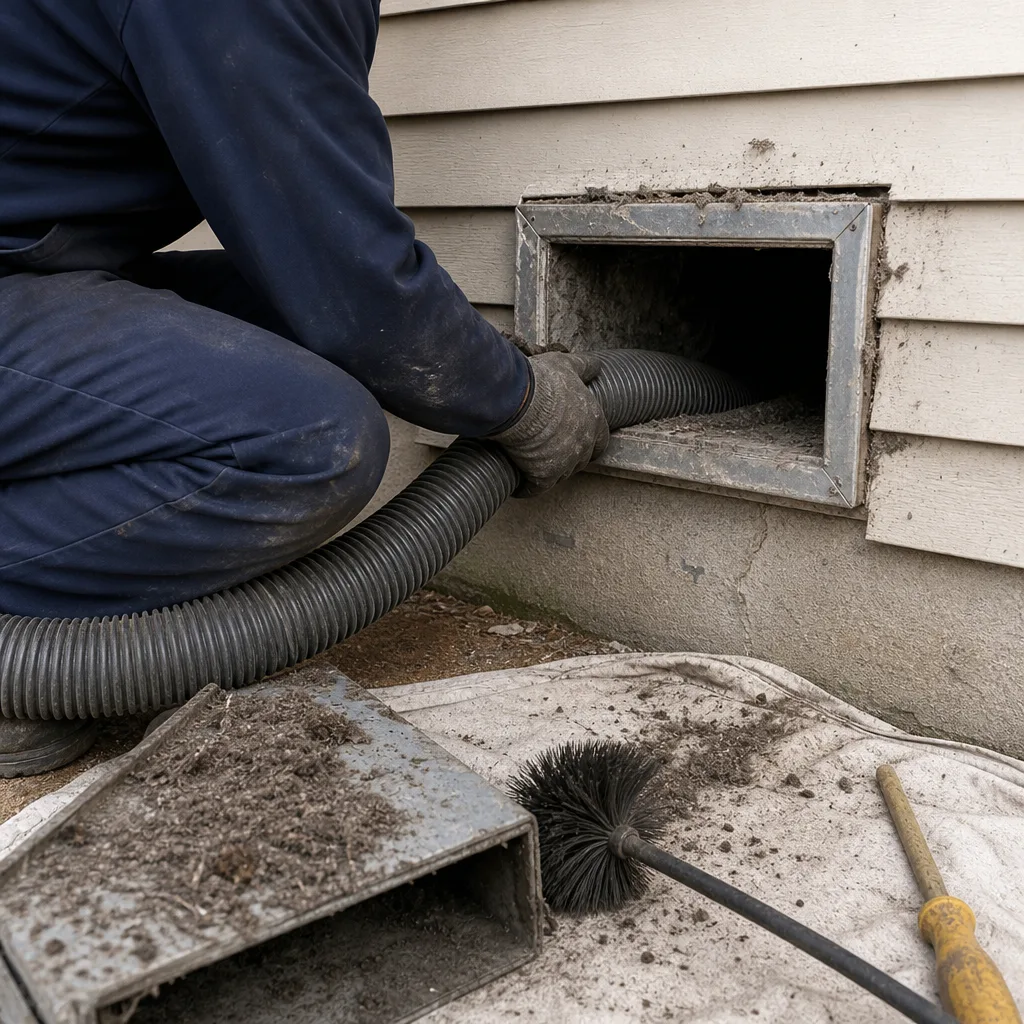 Before
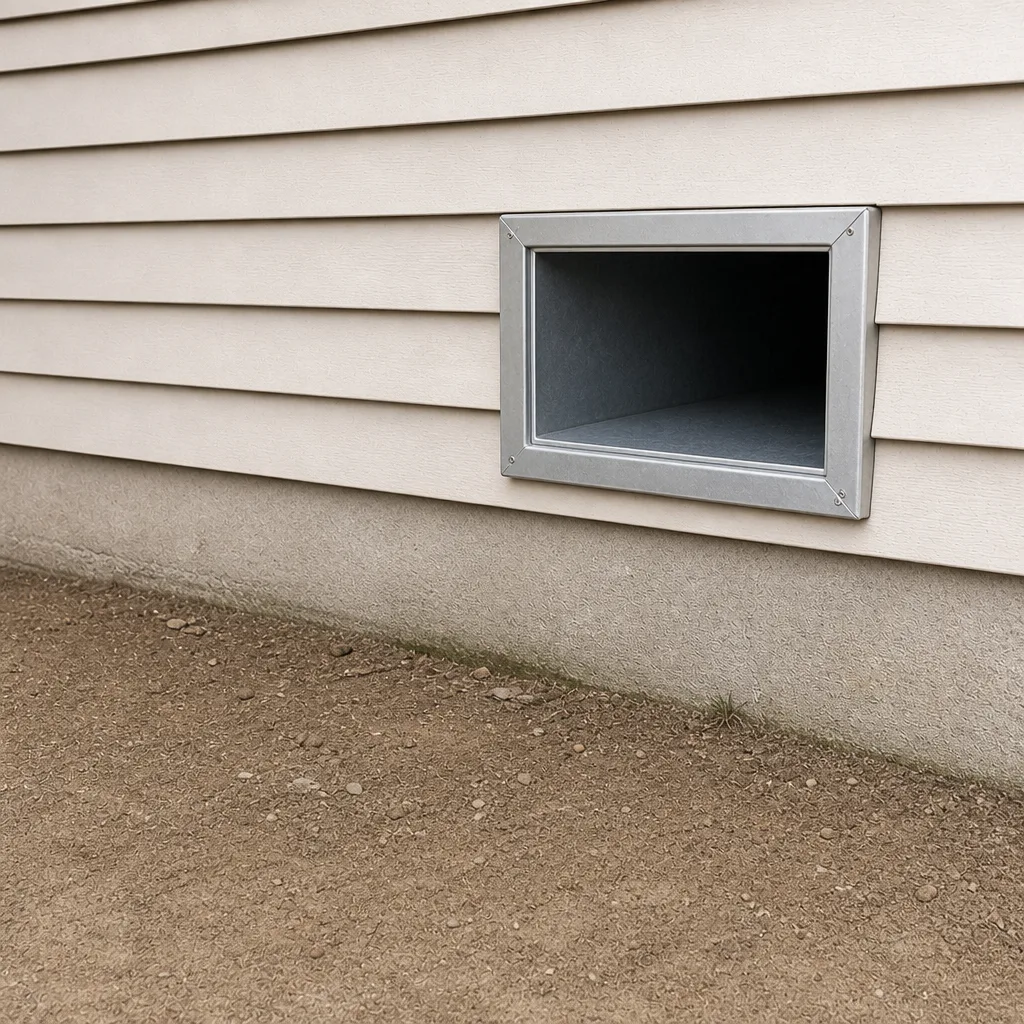 After
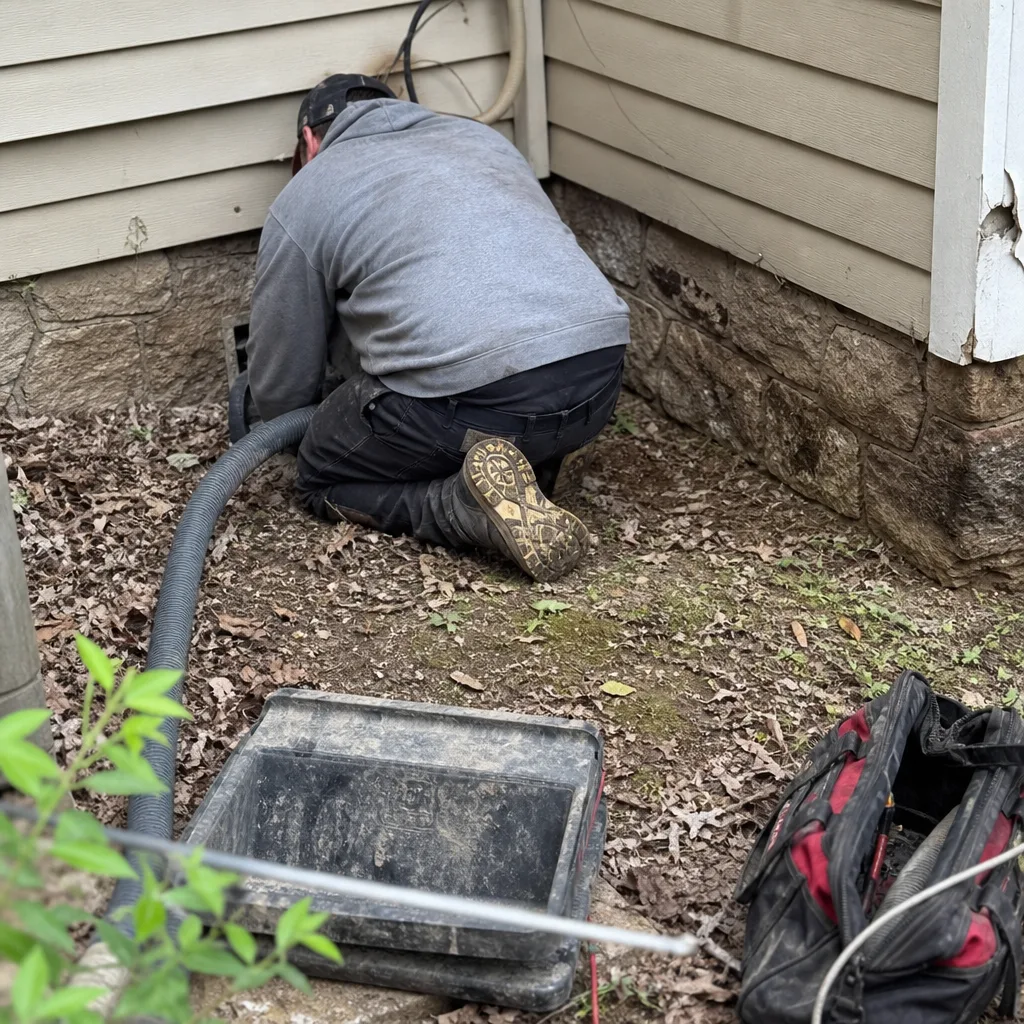 Before
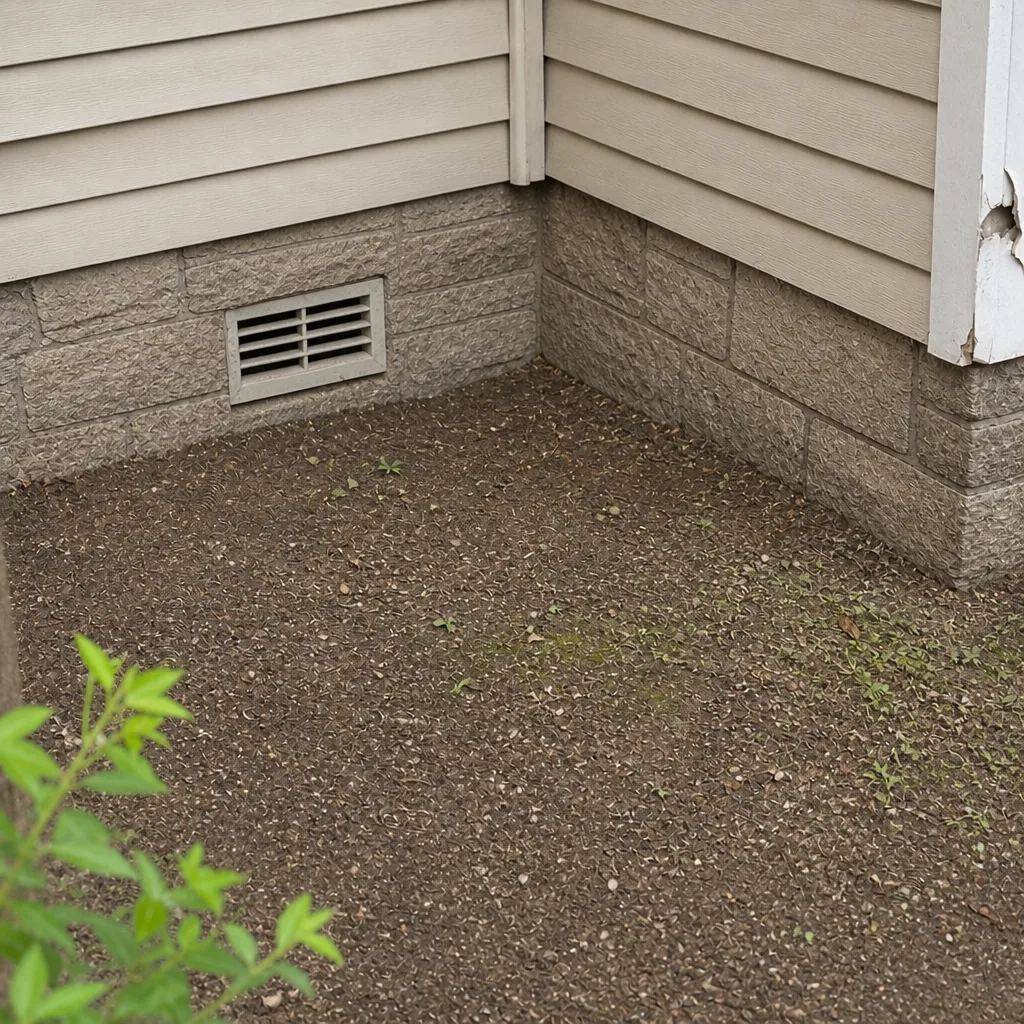 After
 Before
 After
When to Call a Professional
Call a professional when the signs are functional rather than aesthetic, or when they cross from “annoying” into “physical risk.” In practice, that means: an electric bill that rose 15 to 20 percent with comparable weather; a room that stays 5 or more degrees off the thermostat setting; a system that short-cycles; a musty smell that comes back after each humid spell; a return leak near a garage or attic; or any of the stop-the-system signals above. Persistently dirty dryer vents, “dust trails” on the ceiling near a supply, and a filter that loads in half the usual time are all worth an inspection too.
Duct Cleaning Clarksville offers free estimates in Clarksville. Call (833) 519-7736. We answer 24/7. Fast dispatch from 7am to 7pm, Sunday through Friday.
Frequently Asked Questions
The earliest signs are usually functional, not visible: a 15 to 20 percent jump in your Clarksville Utilities bill during a comparable weather month, rooms that never quite reach the thermostat setting, and short-cycling. Visible dust at registers and a musty smell tend to show up later, after the leak or restriction has been working for months. Call (833) 519-7736 for an exact quote if you notice more than one of these signals together; estimates are free.
Air duct cleaning in Clarksville is priced per whole system, not per vent, and a typical range for a standard single-family home is often a few hundred dollars for the cleaning itself, with repair and dryer vent cleaning priced separately. The written estimate sets the final price, and any scope change is agreed before work resumes. Call (833) 519-7736 for an exact quote; estimates are free.
Cheap quotes are usually teaser prices for a partial job, not a whole-system clean. They become a much larger invoice once the technician arrives and “discovers” problems, or they leave the trunk and boots untouched because the equipment can’t extract from them. Ask for a whole-system price in writing, and ask what equipment the crew uses. Call (833) 519-7736 for an exact quote.
Ask for before-and-after photos of your own ducts, taken during the job at recognizable points along the trunk and boots. That, plus a written scope of what was cleaned and what wasn’t, is what distinguishes a documented job from a claim. Our technicians take photos on every visit. Call (833) 519-7736 for an exact quote.
It depends on the house, not a fixed calendar. Homes with flex duct, pets, recent renovations, or mechanical closets near a garage or attic usually need attention sooner than a home with a tight return envelope. The tissue test at registers plus a seasonal review of your electric bill and room temperatures is a better gauge than a fixed interval. Call (833) 519-7736 for an exact quote.
Yes, because a long cooling season gives moisture more chances to condense inside a duct system. Duct liner near the evaporator coil, and any run that stays cool and damp, is where musty growth is most likely. Systems that short-cycle never dry the coil face fully. That’s why we treat musty odor as a distinct signal from general dust. Call (833) 519-7736 for an exact quote.
The Bottom Line
The most useful warning sign in Clarksville isn’t dust at the register. It’s the pattern your electric bill, thermostat, and room thermometers report together: rising costs, uneven rooms, short-cycling, and a house that never quite feels right. Aesthetic signs matter, but they tell you after the fact. Functional signs tell you while there’s still money to save. Watch the bill against comparable weather months, run the tissue test each season, and treat a musty smell as a cue to look for moisture rather than to spray the vents. When the signs stack up, get an assessment with a written whole-system price and before-and-after photos. Our technicians have up to 13 years of experience and use professional-grade Rotobrush and Nikro equipment on every job.
Call (833) 519-7736 for a free estimate in Clarksville. We answer 24/7. Fast dispatch from 7am to 7pm, Sunday through Friday.
Learn more about our dryer vent cleaning service, or start with an overview of Duct Cleaning Clarksville.
Written by the team at Duct Cleaning Clarksville.