
Last updated November 15, 2026
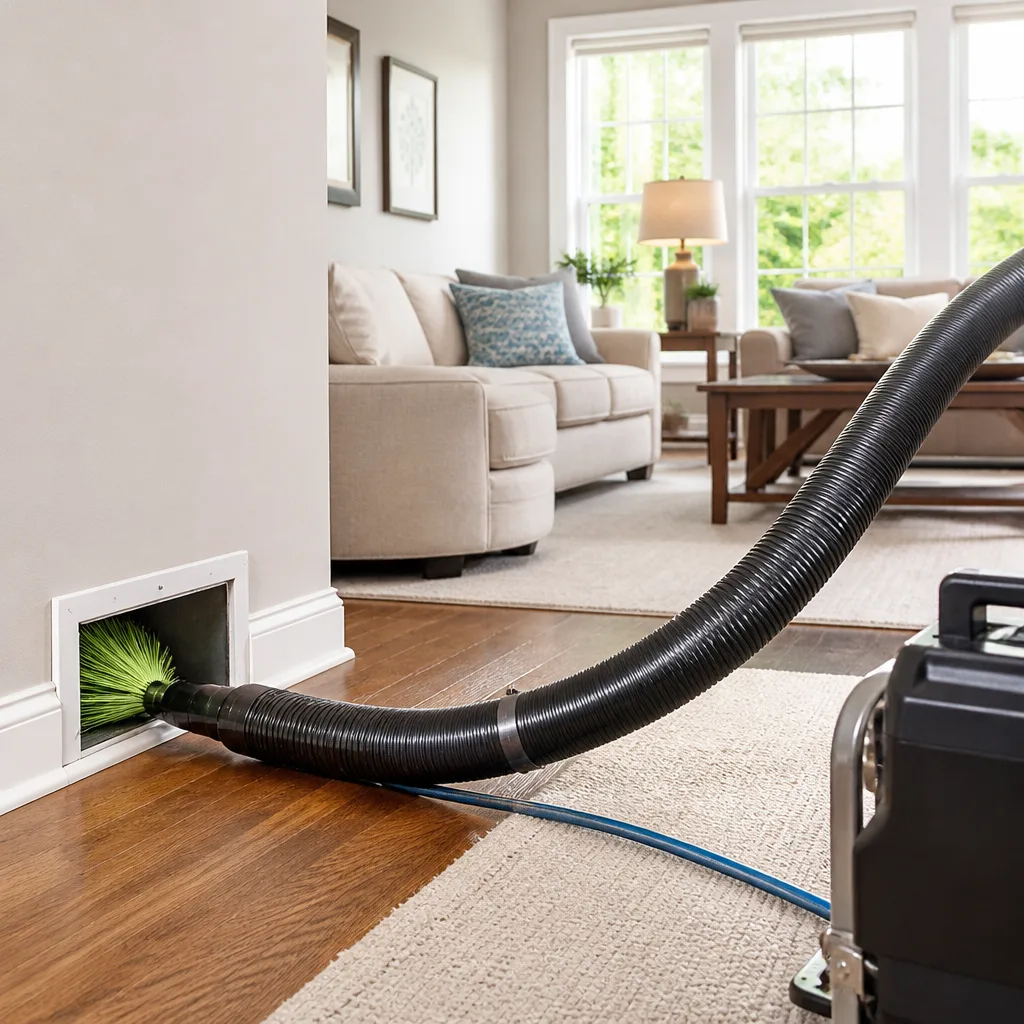 Whole-home duct cleaning
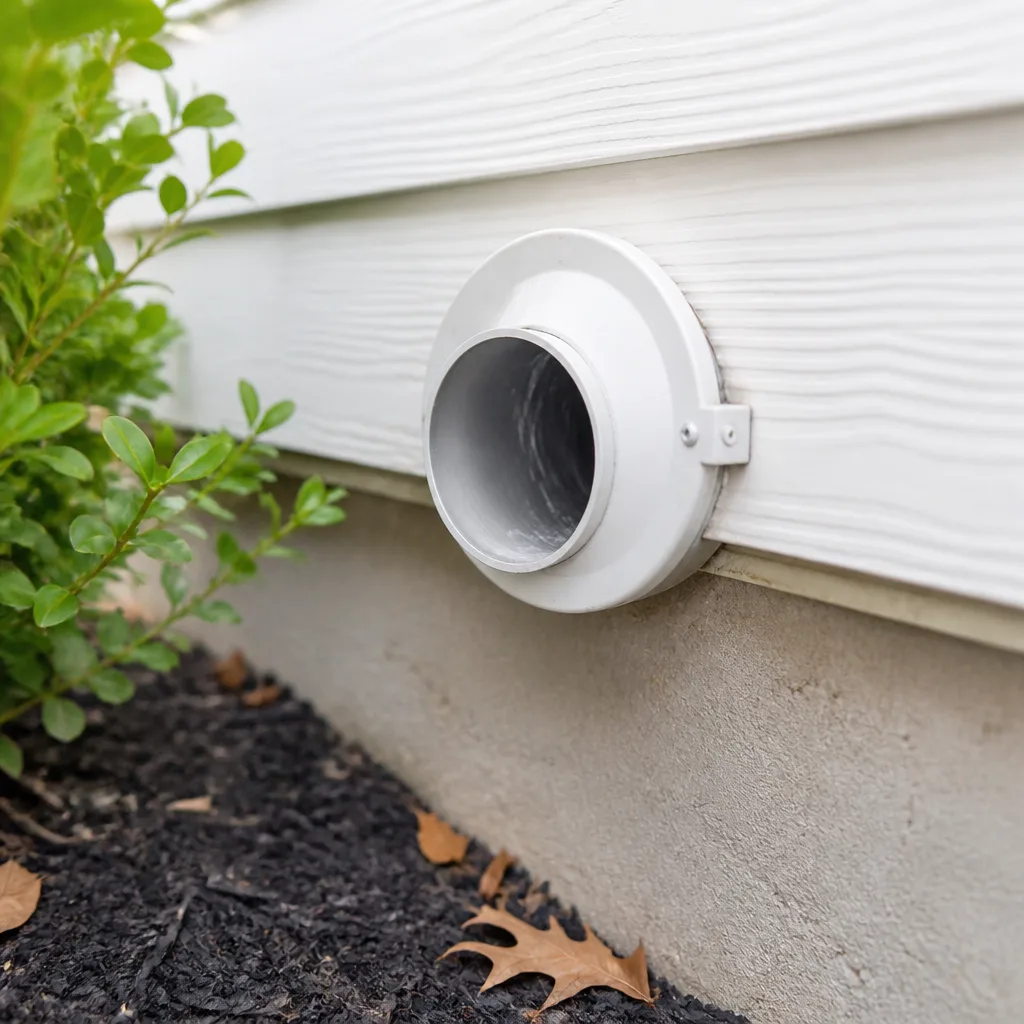 Dryer vent cleaning
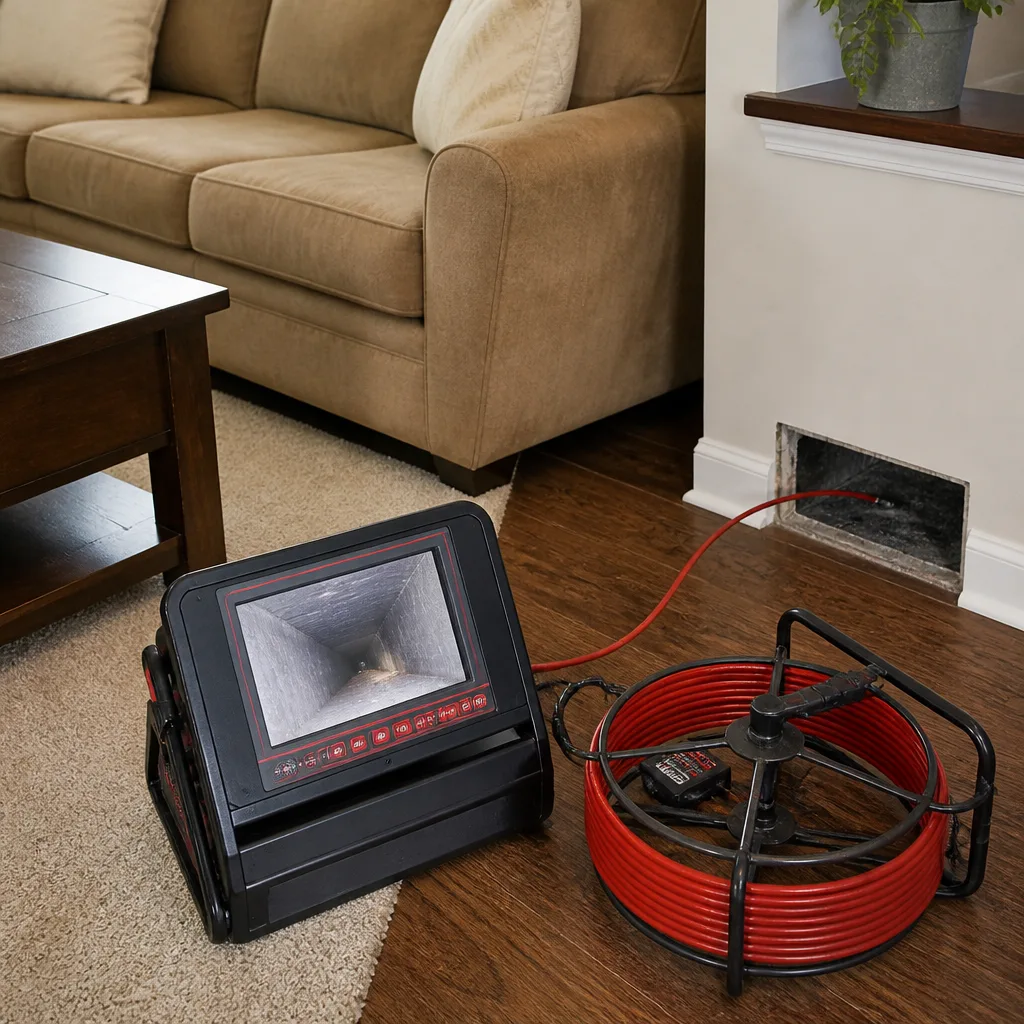 Camera inspection
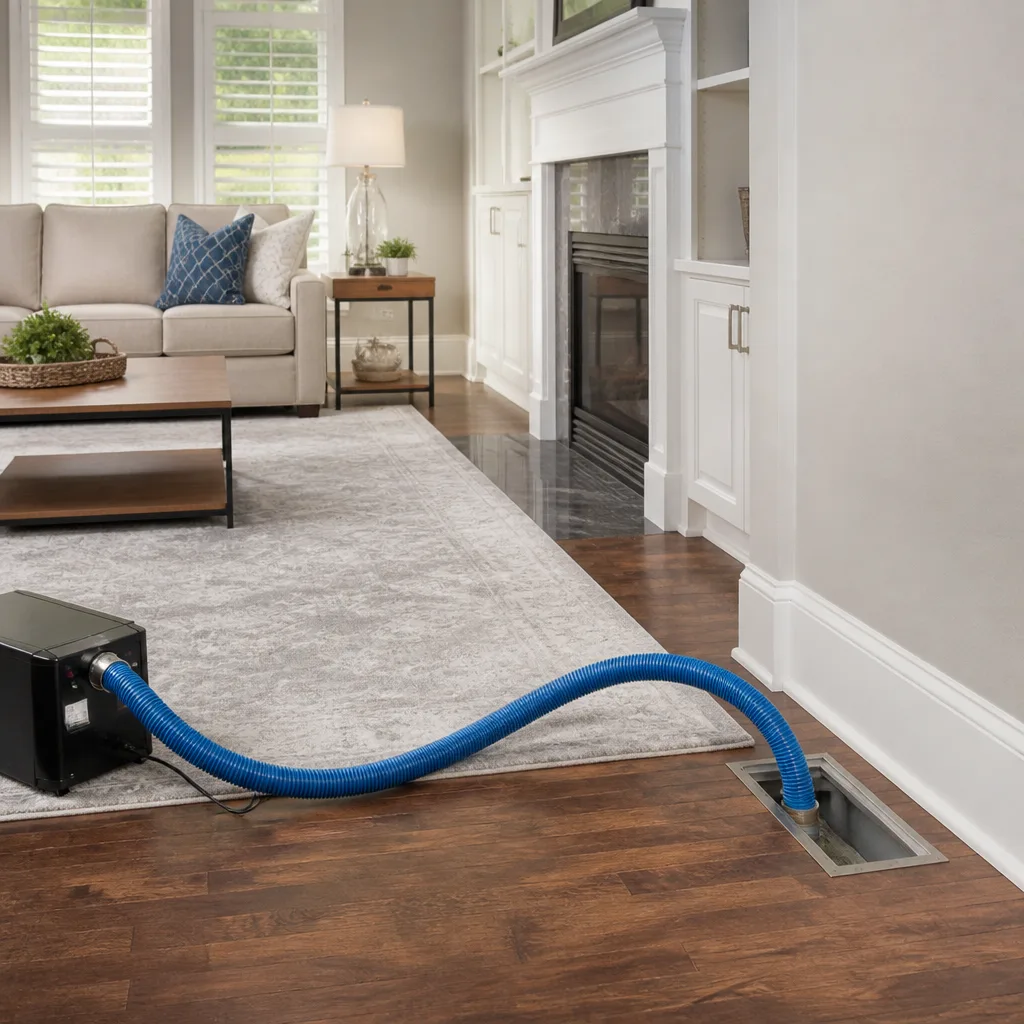 Sanitizing & deodorizing
Whole-system duct and dryer vent check with before-and-after photos - you see exactly what came out of your vents
That "$99 whole-house special" is a bait ad - the real number appears once they are in your hallway, or the "clean" is a shop-vac at the register. We photograph the inside of your ducts before and after instead.
Air Duct Cleaning Permits, Codes & Inspections in Clarksville, TN: What You Need to Know
Here’s the part most homeowners don’t expect: the cleaning itself almost never needs a permit, but the repair that follows often does. When a technician pulls out a crushed flex run and replaces it, seals a leaking trunk joint, or cuts in a new return, that crosses from maintenance into mechanical alteration under Tennessee’s State Mechanical Code. In Clarksville, that line matters at resale, at inspection, and at claim time. This guide walks through where the line sits, how Montgomery County handles permits, when a Tennessee HVAC license is required, and what a code-compliant duct repair actually looks like.
Quick Answer
Air duct cleaning in Clarksville, TN does not require a permit. Routine maintenance like vacuuming, brushing, and sanitizing the duct system is not regulated mechanical work. But duct repair, replacement of duct runs, sealing that changes system capacity, and any modification to the air handler or duct layout generally fall under Tennessee’s State Mechanical Code and require a permit through the Clarksville-Montgomery County building department. Unpermitted duct work can surface during a home inspection and complicate insurance claims tied to HVAC incidents.
Styles & brands we work with
- Whole-home duct cleaning
- Dryer vent cleaning
- Camera inspection
- Sanitizing & deodorizing
Table of Contents
- Maintenance vs. Mechanical Alteration: Where the Line Sits
- What Tennessee’s State Mechanical Code Says About Ducts
- How Permits Work in Montgomery County
- When Duct Repair Requires a Licensed HVAC Contractor
- How Unpermitted Duct Work Affects Insurance Claims
- What a Code-Compliant Duct Repair Looks Like
- Inspections: What Gets Checked and When
- Why This Matters More in Clarksville’s Housing Stock
Maintenance vs. Mechanical Alteration: Where the Line Sits
The cleanest way to think about it: cleaning removes what’s inside the ducts, and alteration changes the ducts themselves. Cleaning is maintenance. Alteration is regulated work. That distinction is the whole game when it comes to permits.
In our experience across Clarksville homes, the confusion usually starts the moment a technician finds a problem. A cleaning reveals a torn flex run, a disconnected boot, a collapsed section behind a knee wall, or a trunk line that was never sealed properly. Fixing any of those properly is repair work, and repair work on the duct system is where the mechanical code applies.
Here’s a simple breakdown of what usually sits on each side of the line:
- Maintenance (no permit): Source removal cleaning with negative air and agitation tools; sanitizing the interior of existing ductwork; replacing filters; clearing a dryer vent run of lint.
- Repair or alteration (permit likely): Replacing a duct run; cutting in a new supply or return; resizing ductwork; relocating a register; sealing that changes the system’s static pressure or airflow design.
- HVAC scope (permit and license): Any work touching the air handler, blower, coil, or the equipment side of the system.
Replacing a length of flex duct sounds small. But it’s a change to the mechanical system’s distribution, and it’s the kind of thing that reads as unpermitted work during a home inspection. That’s why the smart move is to know before the work starts whether the fix crosses the line, rather than finding out at closing. If you’re still at the stage of deciding whether cleaning is even needed, a look at air duct cleaning will tell you what that service covers and what it doesn’t.
What Tennessee’s State Mechanical Code Says About Ducts
Tennessee adopts a statewide mechanical code that governs how duct systems are installed, sealed, supported, and modified. The state code sets the baseline, and local jurisdictions like Montgomery County adopt it with any local amendments. The practical result for homeowners: duct work that’s part of a mechanical system is subject to code, and the code cares about how it’s sealed, how it’s supported, and whether the system as a whole is functioning as designed.
What the code is really doing is protecting system integrity. A duct system that leaks pulls unconditioned air into the supply stream or pushes conditioned air into a crawlspace. Both hurt efficiency, and in a humid Tennessee summer, a leaking return can pull moisture into the system. The code provisions on sealing, support, and access exist because those failures are common when work is done without oversight.
A few things the code consistently hits:
- Sealing: Joints and seams in the duct system are expected to be sealed with an approved method, not left as friction-fit or taped with whatever was in the truck.
- Support: Flexible duct has a required support interval and must not sag or rest directly on the ground or framing in a way that compresses the insulation.
- Access: The air handler and key components need clear access for service and inspection. Duct work that blocks the access panel is a compliance problem.
- Clearances: Duct passing near heat-producing equipment needs proper clearance, and dryer vent runs have their own limits on length and material.
We work with professional-grade equipment like Rotobrush and Nikro systems, and our familiarity with brands like Honeywell and Aprilaire means we understand how duct condition and sealing affect whole-home filtration performance. That context helps when a cleaning turns up a repair decision.
How Permits Work in Montgomery County
Montgomery County adopts the state mechanical code with local administration, so permits are issued and inspections are handled at the county level. What that means in practice: the county’s building department is the authority to call when you need to know whether a specific piece of duct work needs a permit.
The threshold isn’t a single number you can memorize. Local amendments and administrative policies can shift what’s reviewed, and the scope of the work matters. A like-for-like replacement of a short flex run may be treated differently than cutting in a new branch or reworking a trunk line. The only reliable answer comes from the department that will inspect the work.
Here’s the process that keeps you clean:
- Get the scope in writing. Before any repair work on ducts, the contractor should describe exactly what’s being replaced, sealed, or added. Vague scopes are where permit questions become permit problems.
- Call the building department with the scope. Ask specifically whether the work described requires a mechanical permit. Get a name and note the date.
- Confirm who pulls the permit. In most jurisdictions the licensed contractor pulls the permit and schedules the inspection. Ask up front, not after the work.
- Get the inspection. Once the work is done, the county inspects before the permit closes. Skip that step and the permit stays open, which is the record a future buyer’s inspector will find.
- Keep the documentation. Permit number, inspection sign-off, and before-and-after photos of the work. That file is worth more than any receipt.
If a contractor tells you permits are never needed for duct work, that’s a sign to ask more questions. The honest answer is “it depends on the scope,” and it depends on what the county says about that scope. For Clarksville homeowners, that conversation is a single phone call to the building department.
When Duct Repair Requires a Licensed HVAC Contractor
Tennessee licenses HVAC contractors at the state level, and the line between “duct cleaning company” and “HVAC contractor” depends on what the work touches. Cleaning falls outside HVAC contractor scope. Repair of the duct distribution system often lands inside it, and work on the air handler, coil, or refrigerant circuit is squarely HVAC contractor territory.
This is the distinction that catches homeowners when a duct cleaning reveals a bigger problem. If a technician finds a collapsed duct and simply replaces it, that’s one thing. If the fix involves the air handler, a coil, a plenum, or the equipment side of the system, that’s a licensed HVAC contractor’s work. No amount of cleaning expertise substitutes for the license.
Where does that leave duct repair specifically? It depends on what’s being repaired. Sealing, reconnecting, and replacing duct runs sits in a middle space where the question is what the local jurisdiction requires and, in some cases, whether the contractor holds the appropriate license for the scope. What matters for you:
- Ask what the fix touches. Duct distribution only, or does it reach the equipment? That answer determines who should be doing the work.
- Verify the license that matches the scope. Tennessee has a state licensing database. Check the contractor against the scope of the work, not the name on the truck.
- Don’t let one contractor do work outside their scope. A duct cleaning company shouldn’t be reconnecting equipment it isn’t licensed to touch, and a homeowner shouldn’t be the one discovering that after the fact.
We offer air duct repair alongside cleaning, which matters because a single contractor shouldn’t leave you hunting for a second one to fix what the cleaning exposed. When the work crosses into HVAC contractor scope, we say so, and you know who to call. That’s part of what duct cleaning in Clarksville should mean: a clear answer about what’s in scope and what isn’t.
How Unpermitted Duct Work Affects Insurance Claims
Insurance carriers care about code compliance because it tells them whether the home’s systems were maintained and modified according to standards. When an HVAC-related incident happens, an adjuster may look at whether the system as a whole was compliant. Unpermitted duct work is a red flag in that review.
The most common scenario isn’t a fire. It’s water. A leaking coil, a condensate problem, or a duct system that drips into a ceiling can cause real damage. If the adjuster finds that duct work was modified without a permit, the question of what caused the loss gets more complicated. In some cases that leads to a denial or a partial denial, or to a coverage dispute about whether the modification was a contributing factor.
Dryer vent work is its own category. A clogged or improperly routed dryer vent is a fire risk, and the documentation that the vent was professionally cleared and routed correctly matters if there’s ever a claim involving the dryer. That’s why dryer vent cleaning should be treated as safety work, not maintenance convenience.
What to keep on file for any duct repair or modification:
- The permit number and inspection sign-off from Montgomery County.
- The contractor’s license information for the scope of the work performed.
- Before-and-after photos of the ducts and the repair area.
- The written estimate and final invoice, so the scope of work is documented.
- Any notes about follow-up recommendations, especially if the work exposed a condition the contractor flagged.
None of this is about anticipating a claim. It’s about the fact that a clean paper trail is the difference between a claim that goes through smoothly and one that turns into a fight over what was and wasn’t done.
What a Code-Compliant Duct Repair Looks Like
A code-compliant duct repair isn’t dramatic. It’s quiet, careful, and documented. What you should be able to look at and see:
- Sealing with mastic or UL-listed tape. Every joint and seam in the repair area should be sealed with duct mastic or a listed foil tape, properly applied. Cloth duct tape, screws without sealant, or bare friction-fit connections are shortcuts that fail within a season or two.
- Support spacing on flex duct. Flex must be supported at the spacing the code requires and at every point where it changes direction. No sagging, no resting on the ground, no compression that cuts down the airflow path.
- Air handler access clearance. The access panel and service area around the air handler must be clear. Duct work that blocks access is a compliance problem on the next inspection and a service problem on the next repair.
- Insulation intact. Duct insulation should be fully intact along the run, including at the repaired section, and vapor barriers should be continuous.
- Register and boot alignment. The register should seat squarely on the boot, with the seal consistent around the perimeter.
- No tape on contaminated surfaces. Sealing over dust, debris, or a wet surface is a failure in the making. The surface should be clean and dry before mastic or tape goes on.
We clean and repair with equipment like the Rotobrush and Nikro systems, and we carry capabilities like Abatement Technologies for elevated air-quality scenarios. The right tools matter, but the standard the repair is held to is what really matters come inspection time.
Inspections: What Gets Checked and When
Inspection happens at specific moments, and each one requires different preparation. Understanding them helps you know what’s coming:
- The pre-purchase home inspection. A general inspector looks at visible duct work, the air handler area, and signs of moisture or unpermitted work. Old, non-compliant, or unpermitted repairs often surface here.
- The permit inspection. When a permit has been issued for duct work, the county inspects the work before the permit closes. The inspector is looking at sealing, support, access, and overall compliance with the scope described in the permit.
- The insurance inspection. If there’s a claim, an adjuster may inspect the system and request documentation. The permit and inspection record is exactly what they’ll want.
- The buyer’s inspection during a sale. The same evidence of permit and inspection that satisfies a county inspector is what makes a sale go smoothly. Missing permits on duct work are the kind of item that ends up in a repair request.
Each inspection is really asking the same question: was this work done to code, by someone qualified, with a record. The preparation is identical: keep the documentation and be able to point to it.
Why This Matters More in Clarksville’s Housing Stock
Clarksville’s mix of older neighborhoods and newer construction creates a split in what you’ll find in duct systems. Older homes often have duct work that’s been patched and modified over decades, sometimes without documentation, and the visible duct register work doesn’t always match what’s inside the walls. Newer construction tends to have flex duct that was installed to code originally but may have been altered during a later renovation.
Tennessee’s summers put real load on duct systems, and a system with leaking joints or sagging flex tends to show it: uneven cooling, hot rooms, higher bills. When a cleaning reveals those problems, the repair decision is where code, permits, and licensing all come together. Homeowners in Clarksville who understand that ahead of time make better decisions and have cleaner files when they sell.
That’s the context we work in. If you’re trying to decide whether your ducts need cleaning or repair, or you’re looking for a reliable Clarksville resource on air duct questions, we’re glad to talk through the options.
Common Mistakes to Avoid
- Assuming permits are never needed for duct work. Cleaning is maintenance; repair is often regulated. Treating every duct job as “just cleaning” is how unpermitted work happens in Clarksville homes.
- Skipping the building department call because the contractor said it wasn’t needed. The county department is the authority, not the contractor’s opinion. A single call resolves the question before work starts.
- Letting a duct cleaning company do work outside its scope. If the repair touches the equipment side of the system, that’s HVAC contractor territory. Ask who’s licensed for what, and get it in writing.
- Accepting cloth duct tape as a seal. Cloth tape fails. Mastic or UL-listed foil tape is what holds, and it’s what the inspector is looking for.
- Throwing away the permit and inspection record. The documentation is the point. Without the paper trail, a future inspection treats the repair as unpermitted by default.
- Ignoring a dryer vent that hasn’t been cleared. A clogged vent is a fire risk. A cleared, properly routed vent is also documentation that matters in a claim.
- Hiring on price alone with no written scope. The cheapest quote tends to be the one with the vaguest scope, and the vague scope is where permit questions get skipped.
See the difference
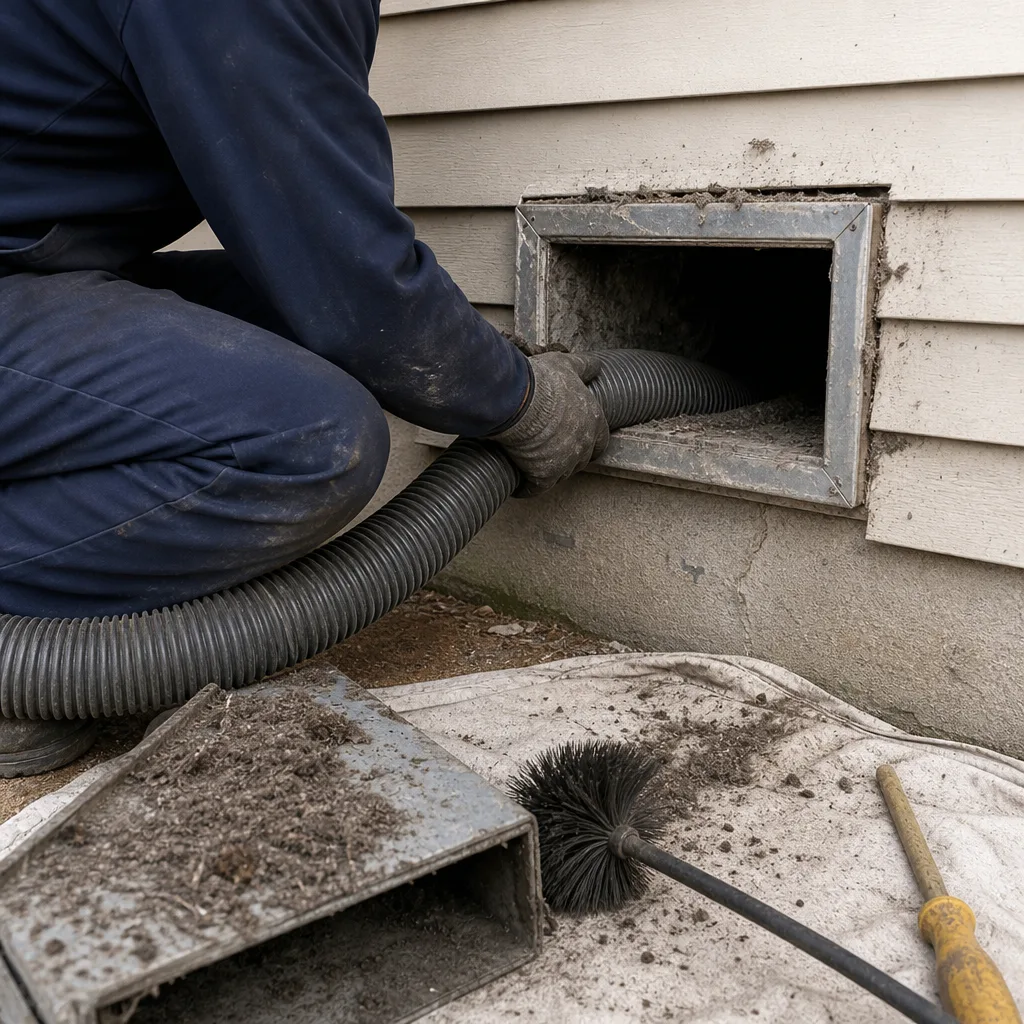 Before
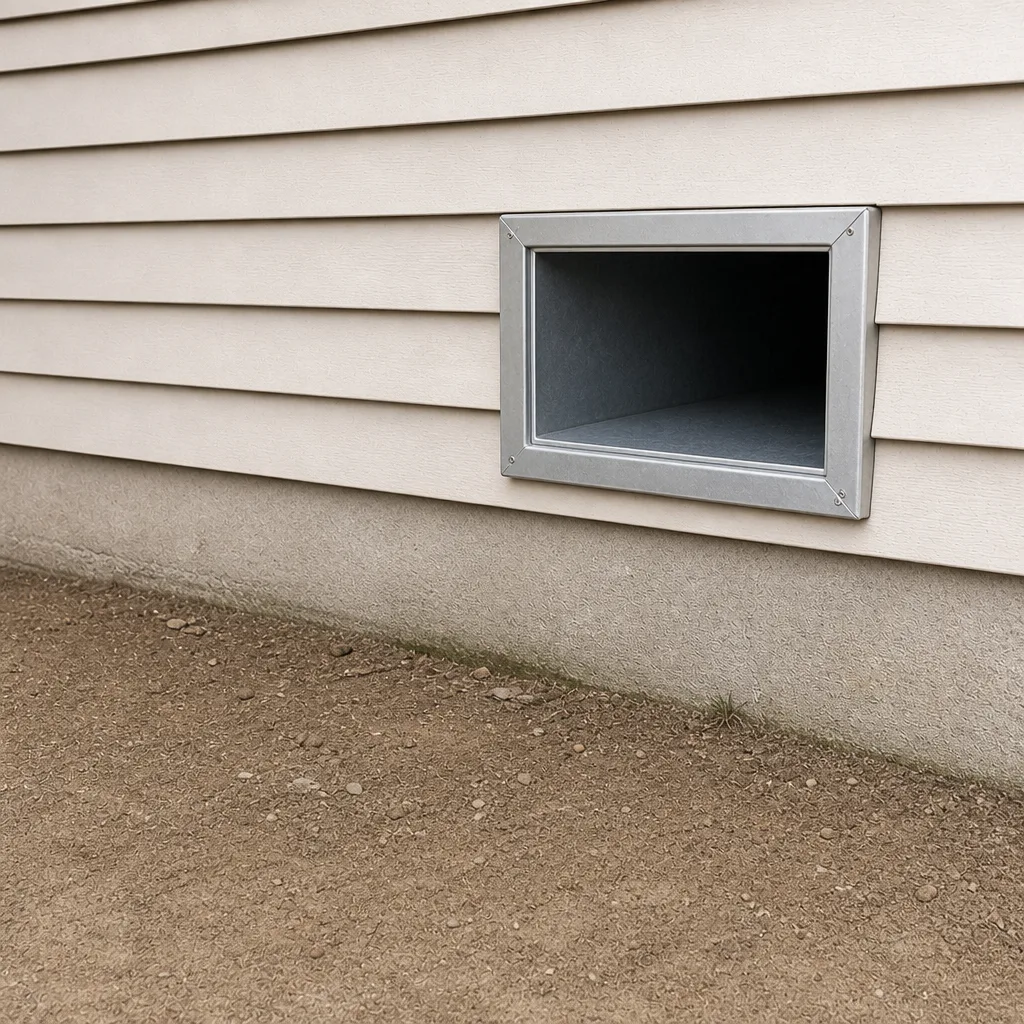 After
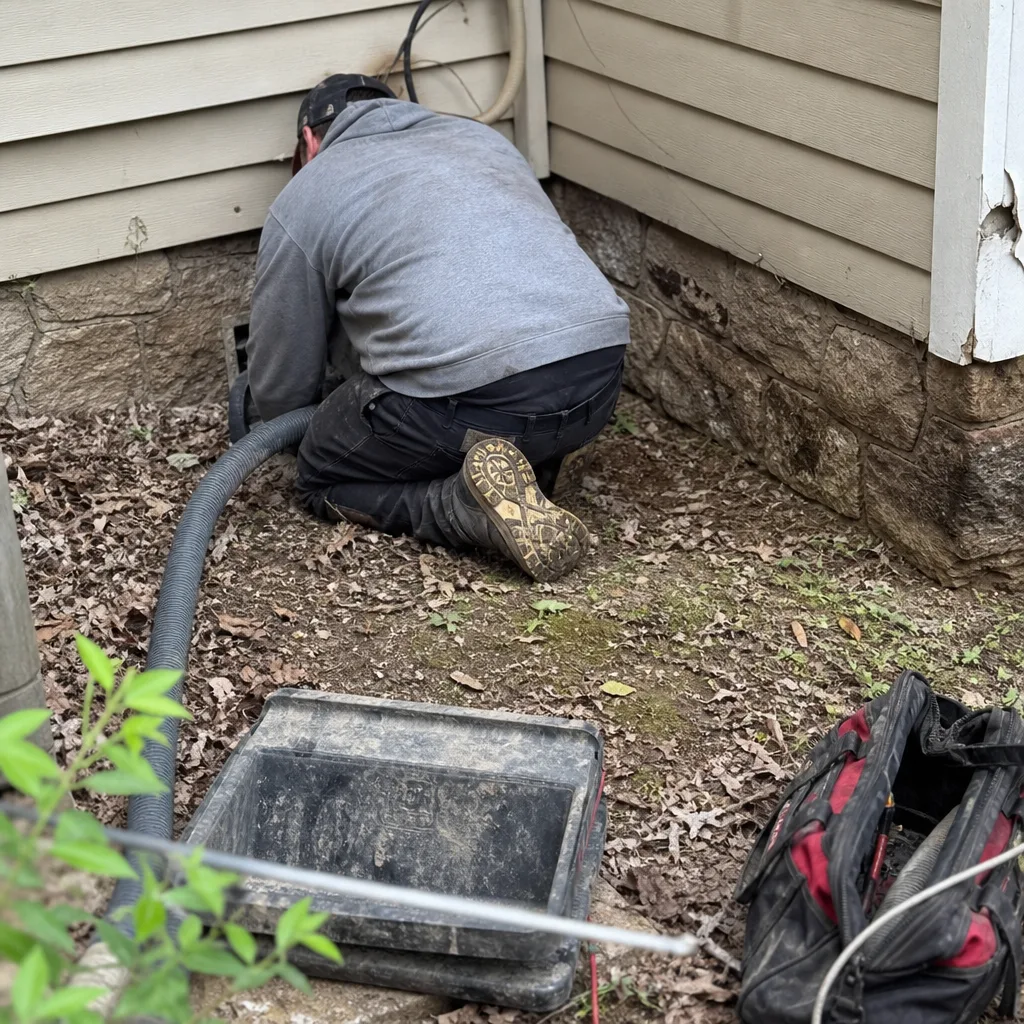 Before
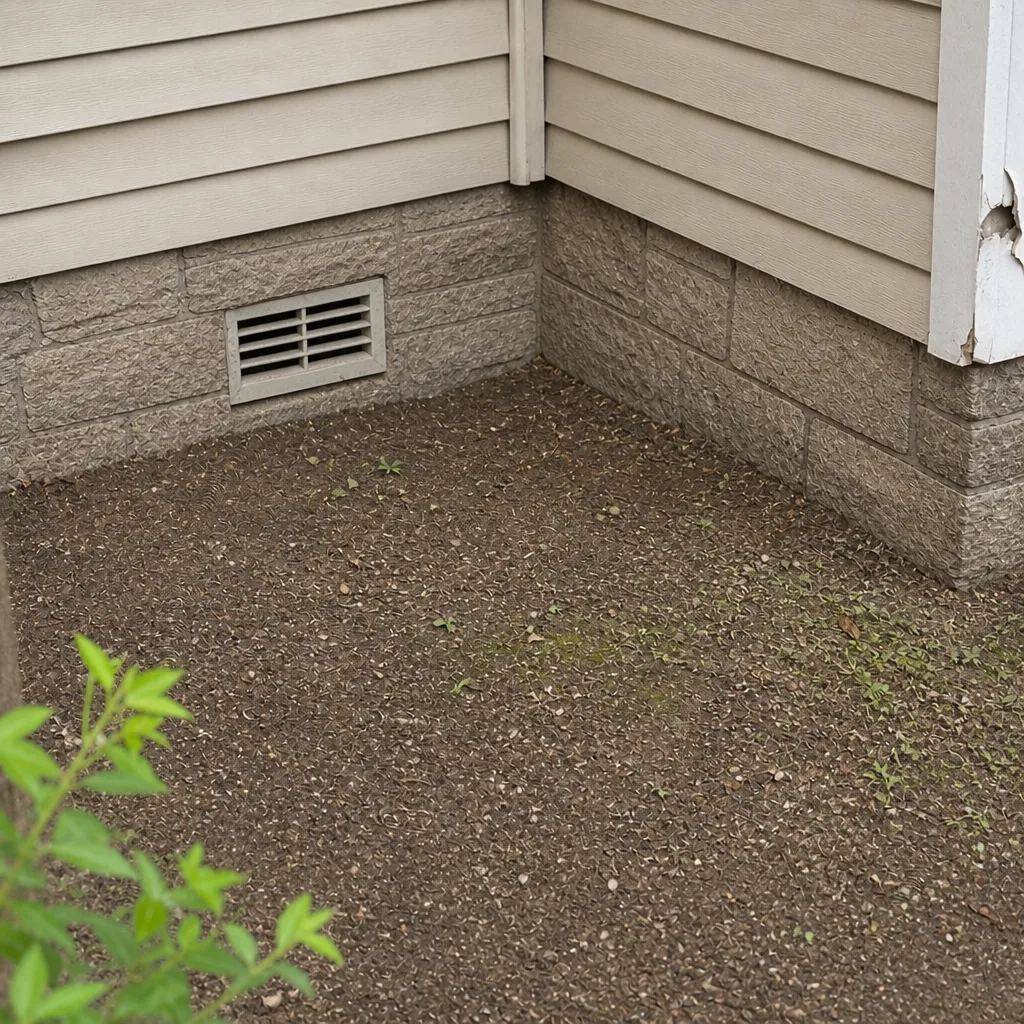 After
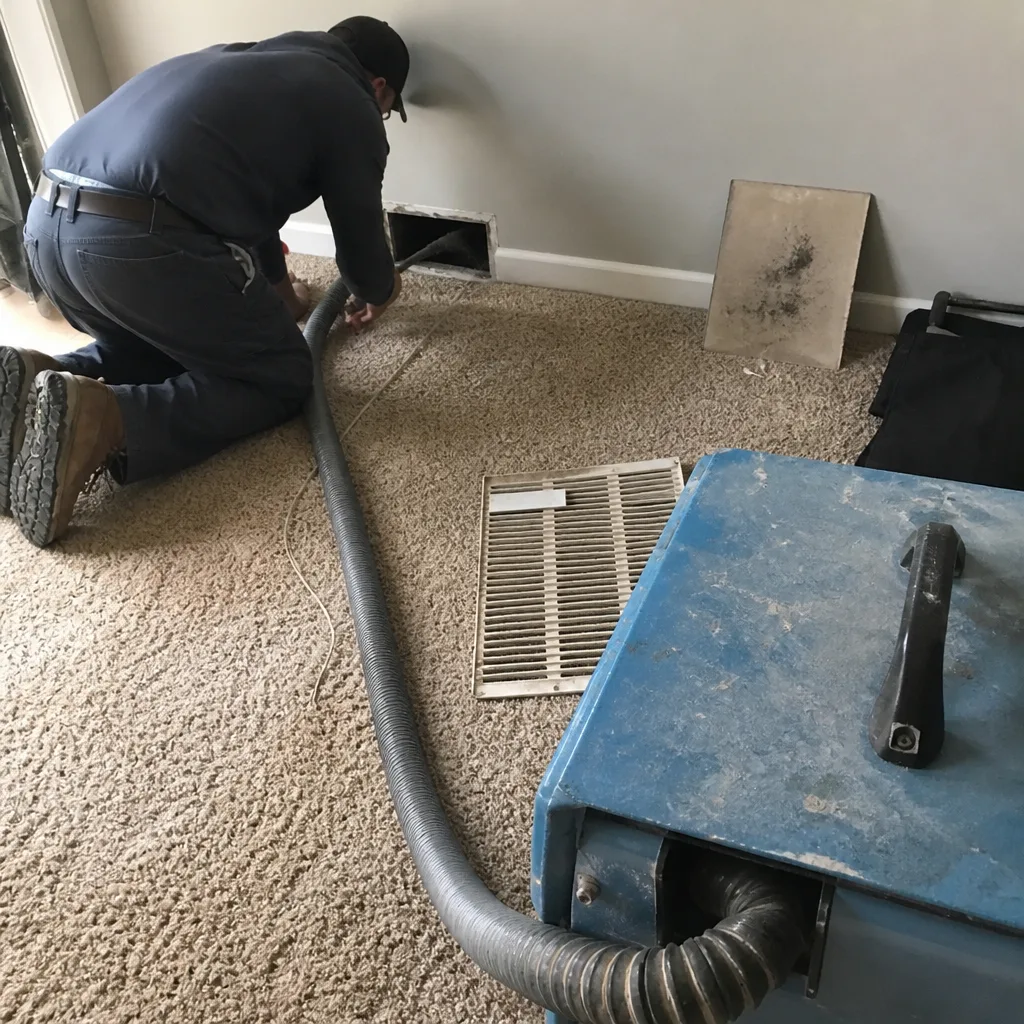 Before
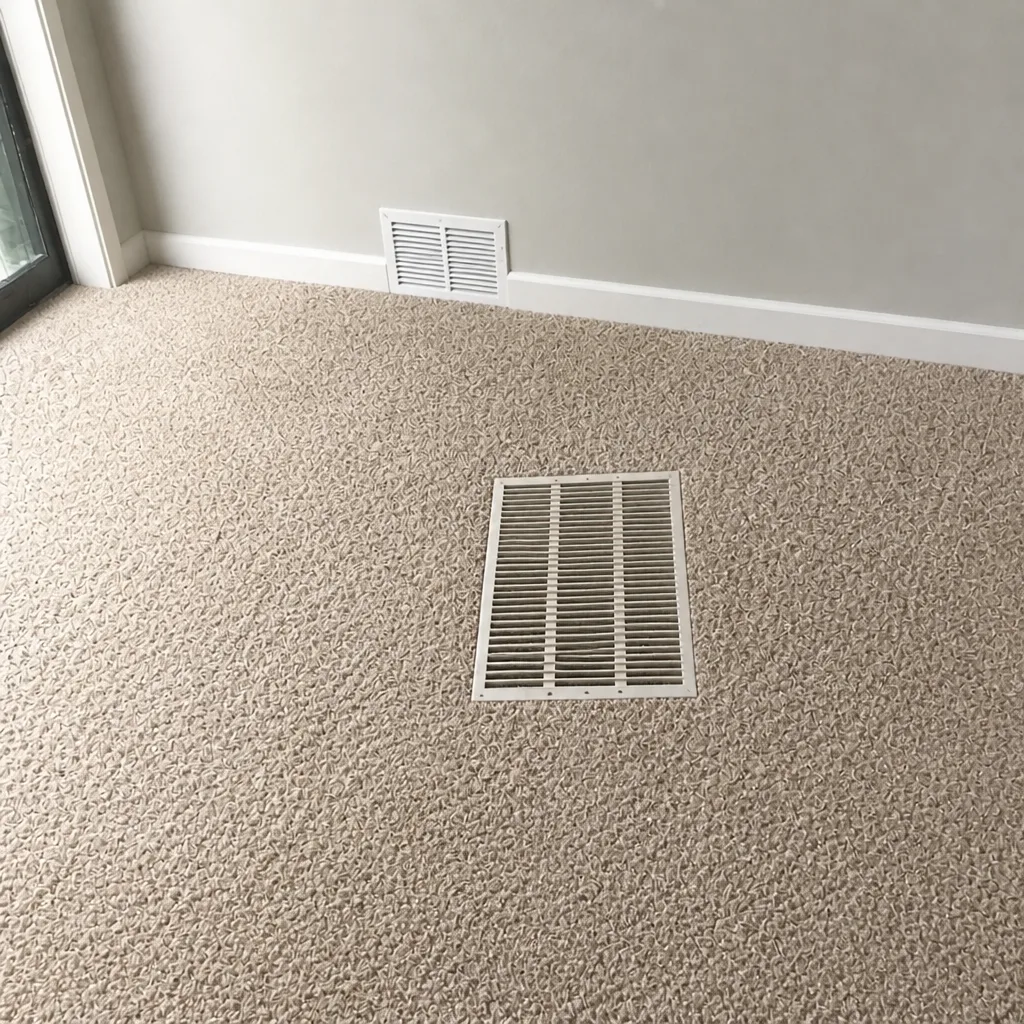 After
When to Call a Professional
Call a professional when a cleaning reveals duct damage you can’t verify, when the repair touches the air handler or any part of the system that requires an HVAC contractor’s license, when a home inspection has flagged duct work as unpermitted, or when you’re preparing to sell and want the duct history clean. Call when a dryer vent hasn’t been cleared in years and you don’t know what’s in the run. Call when duct work is leaking into a crawlspace or a ceiling. Duct Cleaning Clarksville offers free estimates in Clarksville – call (833) 519-7736. We answer 24/7. Fast dispatch from 7am to 7pm. Our technicians have up to 13 years of experience, and we work with professional-grade equipment including Rotobrush and Nikro systems.
Frequently Asked Questions
No. Air duct cleaning itself is routine maintenance and does not require a permit in Clarksville. The permit question comes up when the cleaning reveals a problem that requires repair, replacement, or modification of the duct system, which generally falls under Tennessee’s State Mechanical Code and is administered through the Clarksville-Montgomery County building department.
Often, yes. Duct repair that changes the system’s airflow or distribution, replaces duct runs, or modifies the layout is generally treated as mechanical work and can require a permit. The right move is to call the building department with the scope of work and ask directly. Call (833) 519-7736 for a free estimate on the cleaning side.
It depends on what the work touches. Cleaning does not require an HVAC contractor’s license. Work on the air handler, coil, or equipment side of the system does. Duct distribution repairs sit in a middle zone where the scope determines the answer, and the local jurisdiction has the final word. Call (833) 519-7736 to discuss the scope before the work starts.
The inspector notes it. Unpermitted mechanical work on duct systems typically shows up in an inspection report as a repair item, and it can delay or complicate a closing. The fix is to get permits and inspections earlier in the process, not after the sale is in motion.
It can. Insurance carriers review whether systems were maintained and modified according to code when an HVAC-related incident happens, and unpermitted duct work can complicate the claim. Keeping permits, inspection sign-offs, and before-and-after photos of the work is the practical way to protect yourself. Call (833) 519-7736 for a free estimate.
Cleaning a dryer vent does not require a permit. Routing a new dryer vent run or modifying the existing run is different and may require one, so ask the building department if the work involves anything beyond clearing the existing run. Call (833) 519-7736 to schedule dryer vent cleaning.
The Bottom Line
Air duct cleaning in Clarksville stays simple; cleaning is maintenance and rarely touches the permit process. What happens after the cleaning is where code, permits, and licensing enter the conversation. Duct repairs and modifications can require a permit under Tennessee’s State Mechanical Code, and the Clarksville-Montgomery County building department settles what applies to a specific scope. Get the scope in writing before work begins, verify who’s licensed for what the work touches, keep the permit record, and document every repair with before-and-after photos. That file protects you at inspection, at sale, and at claim time. When something complicated turns up during a cleaning, a straightforward conversation beats a shortcut every time.
For air duct cleaning, dryer vent cleaning, or air duct repair in Clarksville, call Duct Cleaning Clarksville at (833) 519-7736 for a free estimate. We answer 24/7. Fast dispatch from 7am to 7pm, Sunday through Friday.
Written by the team at Duct Cleaning Clarksville.